Iranian Sports Icon Ali Karimi Leads Defiance Amidst Widespread Protests, Galvanizing Global Support
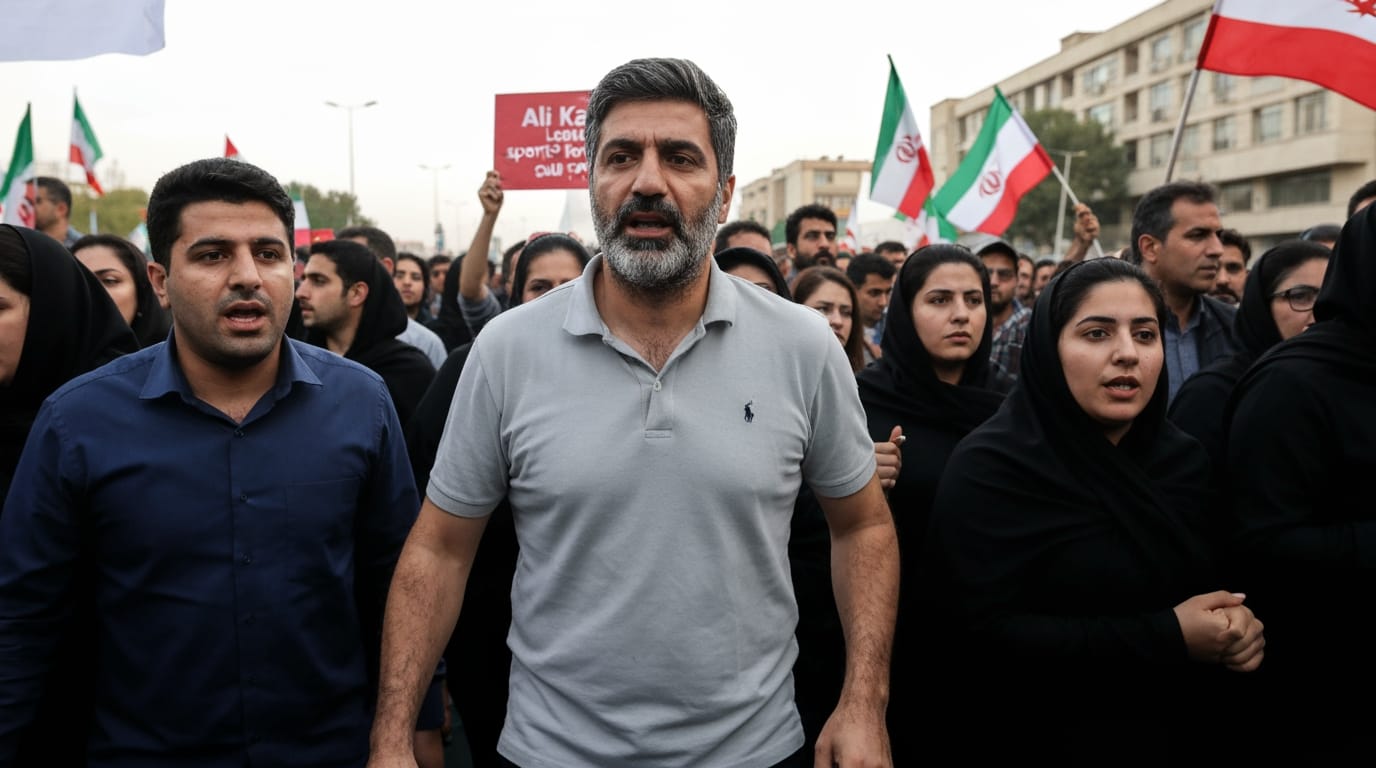
Ali Karimi, the revered former captain of Iran's national football team, has emerged as a prominent voice of dissent, rallying support for anti-government protests that have swept across Iran. His outspoken criticism of the authorities and unwavering solidarity with the demonstrators have galvanized fellow athletes and drawn international attention to the human rights situation within the country, even as the government intensifies its crackdown on public figures.
The Spark of Dissent: Mahsa Amini's Death and Karimi's Call
The current wave of protests ignited in mid-September 2022 following the death of 22-year-old Mahsa Amini, who died in the custody of Iran's morality police after being arrested for allegedly violating the country's strict hijab laws. Almost immediately, Ali Karimi, affectionately known as "the magician" to his millions of fans, used his extensive social media platforms to voice his outrage and support for the burgeoning movement. He implored the security forces not to allow "innocent blood to be shed" and called upon the traditional army to side with the people, contrasting them with the Revolutionary Guard (IRGC) typically deployed against protesters. His strong stance resonated deeply, leading to a significant increase in his social media following and positioning him as a leading figure in the public outcry. This was not Karimi's first foray into political expression; he previously showed solidarity with opposition figures during the 2009 elections by wearing green wristbands.
Athletes Break Silence, Face Reprisals
Karimi's defiant stance has not been an isolated incident. Numerous Iranian athletes and sports personalities have joined the chorus of dissent, often at great personal risk. Their acts of solidarity have ranged from subtle gestures on the field to direct condemnations of the government's actions, significantly amplifying the visibility of the protests both domestically and internationally.
In domestic leagues, a palpable tension has settled over sporting events. Players have been observed engaging in muted celebrations after scoring goals or maintaining blank expressions, a visible rupture from the usual jubilance, as a gesture of solidarity with those who have died or are protesting. These unscripted moments resist the state's efforts to project normalcy through the resumption of sports matches.
The consequences for these athletes have been severe. The Tehran prosecutor's office has reportedly opened criminal cases against at least 15 sports figures and actors for supporting the "national uprising." Footballer Reza Shekari and Omid Ravankhah, head coach of Iran's under-23 national team, were briefly detained upon their arrival at Tehran's international airport over their alleged support for the protests. More tragically, human rights organizations have documented the execution of karate champion Mohammad Mehdi Karami and the sentencing of footballer Amir Nasr-Azadani to 16 years in prison, aiming to "make an example" of these public figures.
Government Retaliation and International Calls for Action
The Iranian government has responded with increasing severity to the outspokenness of athletes like Karimi. Judiciary officials issued a prosecution order against Ali Karimi, accusing him of being one of the "main leaders of recent riots" and "sympathizing with the enemy." As a direct consequence of his activism, authorities confiscated his properties and dismantled a statue erected in his honor. Karimi himself has claimed that authorities attempted to kidnap him and threatened his family, ultimately leading him to relocate to the United States in 2023 after his family home was seized.
The Supreme Leader, Ayatollah Ali Khamenei, indirectly condemned celebrities supporting the protests, labeling them "mercenaries" who have "fled to other countries and spread mud against Iran." Many celebrities within Iran have faced interrogation, and their passports have been confiscated for expressing support. Even national team players at the World Cup were reportedly warned that their families could face arrest and torture if the players repeated actions like boycotting the national anthem. In an attempt to control the narrative, Iran's deputy sports minister conceded that some female athletes had acted against "Islamic norms" but claimed they had since apologized.
In response to these escalating reprisals, a group of prominent Iranians connected to football, including Ali Karimi, formally appealed to FIFA President Gianni Infantino and the presidents of over 200 national associations. Their open letter urged FIFA to condemn the killings, arrests, and threats against Iranian football figures, highlighting that a "significant number of members of the football community" have been among the thousands killed in the protests. The letter cited specific cases, including Mojtaba Tarshiz, a former top-division player; Saba Rashtian, a women's football assistant referee; youth coach Mehdi Lavasani; footballers Amirhoussein Mohammadzadeh and Ribin Moradi; and goalkeeper Mohammad Hajipour. It also raised alarm over the potential execution of 19-year-old player Amirhassan Ghaderzadeh. Karimi has stated that his aim is to ensure the international community is aware of the crimes being committed, underscoring that Iranians have paid "heavy prices, such as their lives and their freedom" for basic rights over decades.
The Global Stage and Human Rights Scrutiny
The involvement of sports figures has undeniably elevated the Iranian protests onto the global stage, intertwining the universal appeal of sport with critical human rights issues. United Nations Human Rights Chief Volker Türk has voiced profound concern over the ongoing crackdown, acknowledging the prosecutions initiated against athletes and others, and expressing alarm over reported executions and forced confessions. The international community continues to monitor the situation closely, with calls for accountability growing louder as reports of repression persist.
The actions of Ali Karimi and other brave Iranian athletes serve as a powerful testament to the influence of public figures in times of national crisis. Their willingness to risk their careers, freedom, and even lives to stand with the protesters has not only drawn unprecedented attention to the human rights situation in Iran but also created a profound dilemma for a regime that values national pride in sports. As the struggle for basic rights continues, the voices from the sports arena remain a potent symbol of defiance and hope.