Iran's Deepening Medicine Crisis: A Nation Grapples with Shortages Amidst Sanctions and Regional Turmoil
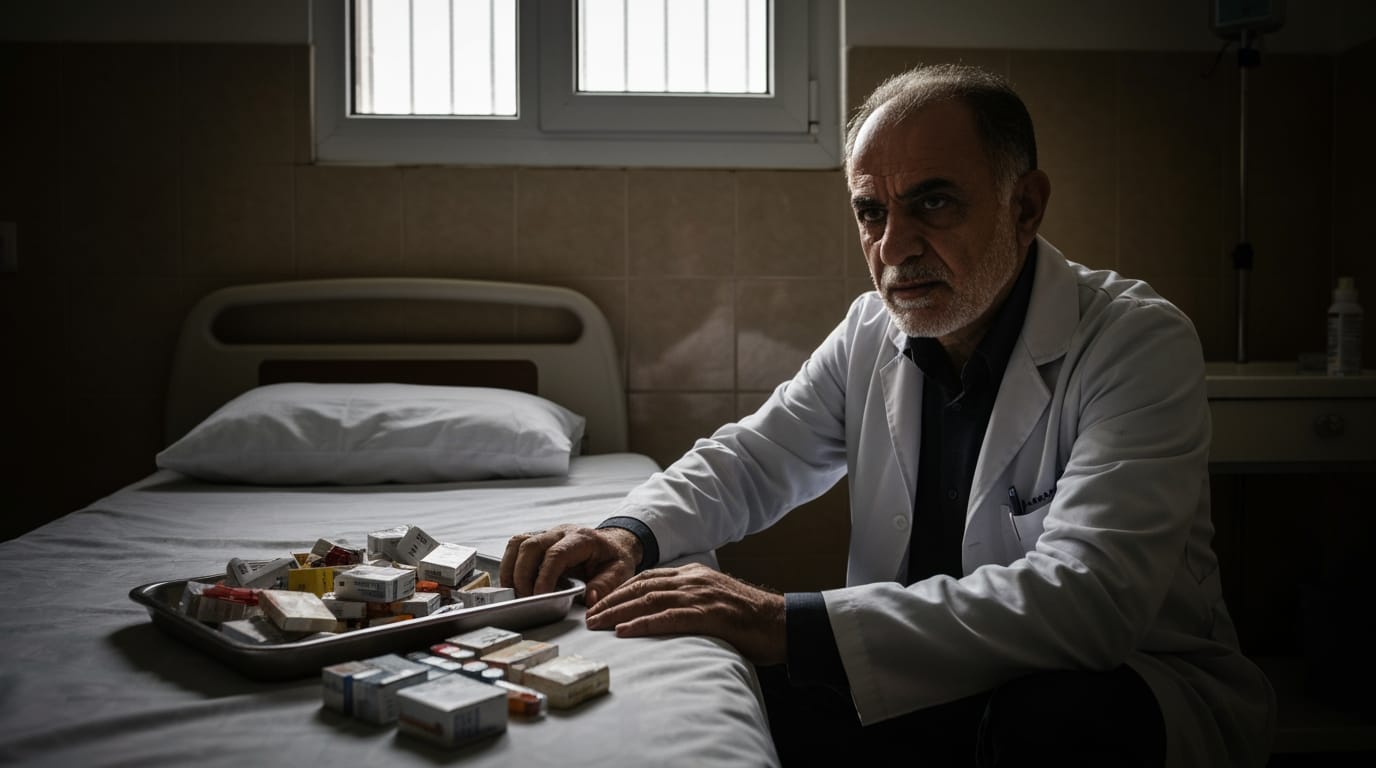
TEHRAN – A deepening crisis in Iran's healthcare sector has left millions facing critical shortages of life-saving medicines, a predicament exacerbated by a complex interplay of international sanctions, internal economic mismanagement, and the disruptive ripples of regional instability. Hospitals and pharmacies across the country are struggling to maintain adequate supplies, pushing vulnerable patients to the brink and fueling a growing humanitarian concern. The crisis, described by some as chronic, casts a long shadow over the well-being of the Iranian populace, threatening those with chronic and rare diseases most severely.
A Nation's Health Under Siege
The current medical supply deficit in Iran presents a grim reality for its citizens. Patients suffering from complex conditions such as cancer, multiple sclerosis (MS), thalassemia, hemophilia, and various immunological disorders are disproportionately affected by the scarcity of essential drugs and medical equipment. Reports indicate that over 100 essential medications, including specific antibiotics and critical chemotherapy agents, are either difficult to find or entirely unavailable. The Iranian Thalassaemia Society has claimed that the drug shortages have contributed to the deaths of approximately 1,100 thalassemia patients since 2018.
The financial burden on Iranian families is immense, with the cost of some medications skyrocketing. For instance, the price of a bone cancer drug reportedly increased from 15 million rials to 420 million rials in just two months, while some insulin types inflated to 70 million rials. With many basic necessities becoming unaffordable, patients are often forced to choose between foregoing treatment or seeking medicines through illicit channels, which carries the inherent risk of counterfeit drugs entering the market and posing severe health hazards. The scarcity also impacts crucial medical consumables, with a factory responsible for 60% of the country's dialysis filters reportedly having only enough raw materials for three months.
The Crippling Grip of Sanctions
At the heart of Iran's protracted medical crisis are the extensive international sanctions imposed on the country. While humanitarian goods, including medicine and medical equipment, are theoretically exempt from these restrictions, the practical realities of sanctions create insurmountable obstacles. Restrictions on banking, shipping, and insurance mechanisms effectively block Iran's ability to pay for and transport essential drugs and raw materials. International banks often exhibit "over-compliance," hesitating to process even humanitarian transactions for fear of incurring U.S. penalties, thereby severing vital financial lifelines.
This financial isolation leads to severe foreign currency shortfalls. Despite government allocations for medicine imports, a significant gap exists between available hard currency and the pharmaceutical sector's actual needs. Manufacturers and importers face new complications with banking, insurance, and logistics following sanction renewals, leading to rising shipping and insurance costs—sometimes by 30% to 50%—and extending import timelines from a typical three months to as long as six. Even for medicines produced domestically, a substantial share of active pharmaceutical ingredients (APIs) and critical compounds must be imported, largely from China and India, making local production vulnerable to these external pressures.
War's Disruptive Shadow
Beyond the long-standing sanctions, the escalating regional conflicts, often referred to as the "Iran war" in broader discussions, have cast a disruptive shadow over global pharmaceutical supply chains, with direct implications for Iran. The Persian Gulf, and specifically the Strait of Hormuz, is not merely an energy chokepoint but a critical transit hub for pharmaceuticals and their basic ingredients from Asia and Europe destined for various parts of the world, including Iran.
Recent escalations have severely disrupted this critical maritime route, with commercial shipping through the Strait of Hormuz reportedly plummeting by 90% below pre-war levels. Air cargo capacity in the Gulf region also experienced a sharp decline, impacting the swift transport of time-sensitive medications. These disruptions lead to rerouted shipments, increased freight costs, and surging insurance premiums, making the procurement of medicines significantly more expensive and time-consuming for Iran. The global ripple effect of these regional conflicts means that even if a medicine is sourced, its journey to Iran is fraught with delays and inflated costs. In some instances, medical facilities within Iran have reportedly been hit by strikes, and critical dialysis filters have been destroyed, further crippling an already strained healthcare infrastructure. Moreover, the war's impact on oil prices directly affects pharmaceutical production, as many medicines rely on petroleum-based ingredients.
Domestic Hurdles and Desperate Measures
While external pressures are immense, internal factors within Iran's pharmaceutical industry and healthcare management also contribute significantly to the crisis. Government price controls, intended to protect consumers, have inadvertently stifled domestic production. Experts argue that limiting price increases to 15% in an economy with 40% inflation makes production unprofitable, forcing companies to halt the manufacturing of critical hospital medicines due to long delays in return on investment. Liquidity shortages, massive unpaid debts from government institutions to pharmaceutical companies and pharmacies, and an overall cash flow crisis have paralyzed production and left allocated currency unusable. Companies are forced to take high-interest loans, further eroding their already thin profit margins.
Weak insurance systems and the diversion of health premiums towards other sectors exacerbate the problem, leaving pharmaceutical companies struggling to remain solvent. Critics also point to systemic corruption and mismanagement, suggesting that significant portions of the budget allocated for pharmaceutical imports have been mishandled or stolen, with monopolies hoarding medicines. The government's decision in 2022 to halt subsidies for food and medicine production drastically increased the cost of imported raw materials, further crippling domestic manufacturing. As a result, Iranians are increasingly turning to the black market, or dangerously resorting to self-treatment, with a large segment of the population struggling to afford even basic medical care.
Conclusion
The confluence of international sanctions, regional conflict-induced supply chain disruptions, and profound domestic economic and governance challenges has plunged Iran into a severe and multifaceted medicine crisis. The humanitarian toll is immeasurable, with patients, particularly those battling chronic and rare diseases, bearing the brunt of these complex geopolitical and internal pressures. While the stated aim of sanctions is often political, their practical impact undeniably filters down to the most vulnerable segments of society, obstructing access to fundamental healthcare. Addressing this complex crisis necessitates a multi-pronged approach that acknowledges the intricate interplay of these factors, seeking pathways to ensure the consistent and affordable availability of life-saving medical supplies for the Iranian people.


