Iran's Nuclear Sites Remain Off-Limits to Inspectors Amidst Stalled Negotiations
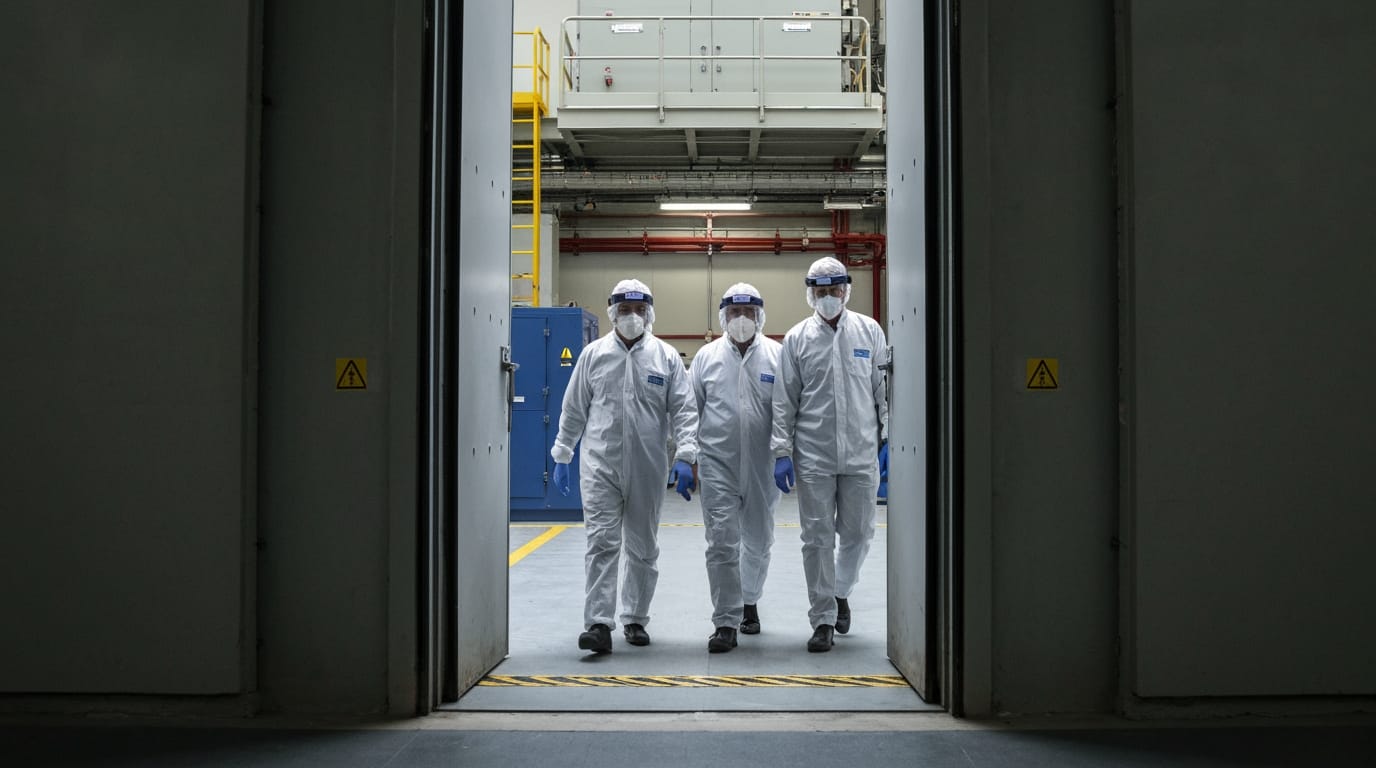
Despite a reported "breakthrough deal" nearly a year ago, international nuclear inspectors from the International Atomic Energy Agency (IAEA) are still being denied full access to key Iranian nuclear facilities, particularly those reportedly struck in June 2025. This ongoing standoff complicates international efforts to verify the peaceful nature of Iran's nuclear program and highlights the deep-seated mistrust that continues to plague diplomatic initiatives aimed at de-escalating tensions in the Middle East.
A Glimmer of Hope: The September 2025 Agreement
In September 2025, a wave of optimism briefly swept through diplomatic circles following an announcement by IAEA Director General Rafael Grossi. The Guardian reported a "breakthrough deal" between Tehran and the UN nuclear inspectorate that would permit inspectors to return to all of Iran's nuclear sites, including those reportedly bombed by Israel and the United States in June of that year. Grossi himself described the agreement, reached during a three-hour meeting with Iranian Foreign Minister Abbas Araghchi in Cairo, as "an important step in the right direction". This accord was reportedly a prerequisite established by European leaders, who sought to defer a plan to reimpose sweeping UN sanctions on Iran. However, even at the time, the path forward appeared fraught with conditions. Iranian officials indicated that no firm date had been set for the inspectors' return, linking it to assurances against hostile actions and the non-reimposition of UN sanctions. Internally, the agreement also necessitated approval by Iran's Supreme National Security Council, which Araghchi stated had been secured. Grossi acknowledged the difficulty of reaching the agreement, noting that the Iranian parliament had previously passed a law banning the return of inspectors without guarantees for the future safety of Iran's nuclear sites from further attacks.
The Reality of Continued Restrictions
Fast forward to July 2026, and the September 2025 agreement has yet to translate into full, unfettered access. IAEA Director General Rafael Grossi explicitly confirmed that the agency's inspectors have "not yet been able to return and gain access to Iran's nuclear facilities". He further stated, "We have requested this access, but so far it has not been possible". This reluctance on Iran's part is particularly pronounced regarding the sites that were reportedly targeted in the June 2025 bombardments. Iran's Deputy Foreign Minister, Kazeem Gharibabadi, publicly stated that there are "no plans" to allow IAEA inspectors to visit these sensitive nuclear sites. According to Gharibabadi, these issues will only be addressed and resolved within the framework of a final, comprehensive agreement, contingent upon the "other party's practical action to terminate all sanctions". This stance underscores Iran's position that nuclear transparency is deeply intertwined with broader sanctions relief and security guarantees.
The IAEA's Monitoring Challenges
The inability to conduct on-site inspections poses significant challenges for the IAEA in fulfilling its mandate to verify Iran's nuclear activities. Grossi has conveyed the agency's belief that Iran's enriched uranium stockpiles remain at their nuclear facilities. However, without direct access, the IAEA cannot definitively confirm this. The agency's current assessment relies on data from its last routine inspections conducted before the "12-day war" in the summer of 2025. Since then, while the IAEA has utilized satellite imagery and other monitoring tools and reportedly detected no significant movement of the uranium, these methods cannot replace comprehensive on-the-ground verification. Of particular concern is Iran's accumulation of 400 kilograms of 60% highly enriched uranium, a level dangerously close to the 90% needed for weaponization. This material is reportedly situated under rubble at facilities such as Natanz, Isfahan, and Fordow, necessitating IAEA supervision for its removal or dilution. Both former U.S. President Donald Trump and Director-General Grossi have consistently emphasized the need for full and timely access to all facilities, especially those housing 60% enriched uranium.
Broader Geopolitical Implications and the Road Ahead
The ongoing impasse over nuclear inspections is set against a backdrop of complex geopolitical maneuvers and lingering tensions. A Memorandum of Understanding (MOU) signed between the United States and Iran has set a 60-day window for negotiations on a comprehensive agreement. These discussions are expansive, covering not only nuclear issues but also broader concerns such as freedom of navigation through the Strait of Hormuz and territorial integrity related to a ceasefire. However, the MOU notably does not stipulate a specific timeframe for renewed IAEA inspections. While Grossi has expressed hope for inspectors to return "within the coming weeks," linking this to progress in the comprehensive agreement talks, the current reality suggests a significant hurdle remains. The repeated bombings of Iranian nuclear sites in June 2025 by the U.S. and Israel have demonstrably heightened Iran's security concerns, leading to its refusal to allow inspections at these specific locations without guarantees and the lifting of sanctions. This refusal effectively blocks access to some of the most critical sites the IAEA needs to inspect.
The international community's ability to maintain a clear picture of Iran's nuclear ambitions hinges on the unfettered access of IAEA inspectors. Without this transparency, concerns about proliferation risks are amplified, and regional stability remains precarious. While diplomatic efforts continue, the path to re-establishing robust inspections remains contingent on addressing Iran's demands for sanctions relief and security assurances, a complex negotiation where trust remains a scarce commodity.


