Iran's Precarious Calm: A Nation Grapples with Deepening Crises Post-Conflict
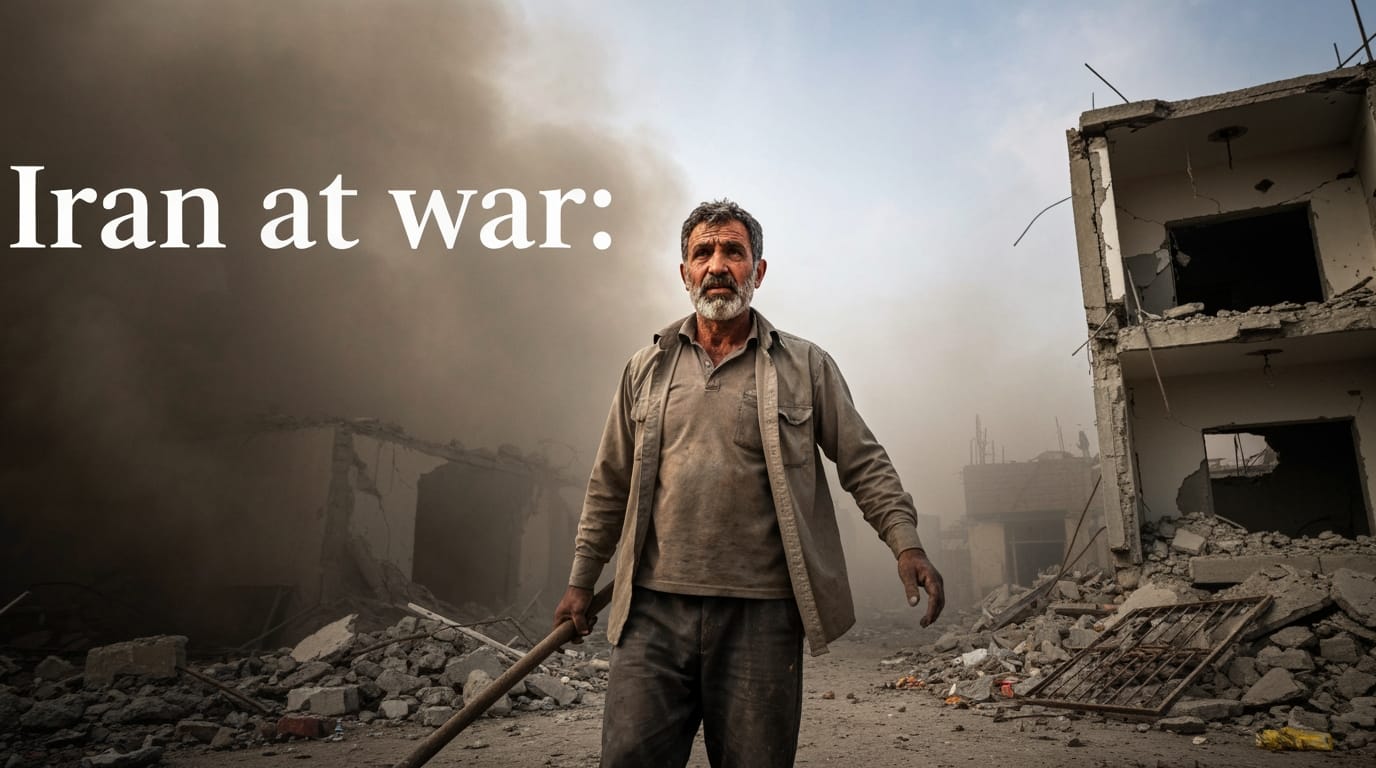
TEHRAN — Despite maintaining an appearance of internal stability in the wake of the "Twelve-Day War" with Israel in June 2025, Iran finds itself at a critical juncture, navigating a complex web of intensifying political, economic, and social crises. The short, sharp conflict, which saw unprecedented Israeli airstrikes and a single wave of U.S. air and missile strikes targeting Iranian assets, severely weakened the state but failed to resolve the enduring issue of Tehran's nuclear ambitions. This fragile equilibrium now masks profound internal fault lines, as a nation already under immense international pressure faces escalating domestic challenges that threaten its long-term stability.
The Unresolved Aftermath of the Twelve-Day War
The June 2025 conflict, marking the culmination of decades of escalating tensions, left the Iranian state significantly weakened. Israel initiated a campaign of airstrikes, sabotage, and disinformation operations, to which Iran responded with its own drone and missile attacks on Israeli targets. Although the immediate hostilities ceased, the fundamental issue of Tehran's nuclear program remains unresolved, with Iranian officials, such as MP Ali Khezrian, declaring the nuclear file "permanently off-limits" as recently as May 1, 2026. This defiant stance continues to invite international scrutiny and pressure, including further rounds of economic sanctions that have compounded the nation's financial woes. The war's direct impact on infrastructure and military capabilities, coupled with ongoing international isolation, has left Iran in a more precarious position than before the conflict.
Economic Strangulation and Mounting Social Discontent
At the heart of Iran's deepening crises is a severe structural economic downturn, exacerbated by persistent international sanctions and the lingering effects of the 2025 conflict. The country grapples with pervasive economic hardship, rampant inflation, and endemic corruption, significantly impacting the daily lives of its citizens. The regime's outward projection of defiance, characterized by "war posturing," appears to be a facade for "economic strangulation" at home, according to recent analyses. Global economic pressures, including the blockage of the Strait of Hormuz, continue to keep the world economy "at the precipice of an even greater crisis," impacting Iran's ability to engage in vital international trade.
This economic distress has fueled significant social frustration and a widespread "generational exhaustion" across the population. Many ordinary Iranians increasingly view the government's considerable investment in regional proxy groups as a misallocation of resources, preferring that these funds be directed toward improving deteriorating domestic living standards. Reports suggest that "long-suppressed social demands of an exhausted population will explode into the open" once the current "no-war-no-peace" geopolitical situation inevitably shatters. This simmering discontent poses a substantial threat to the regime's long-term internal stability, despite its current outward calm.
Political Fractures and the Shadow of Succession
Beneath the surface of national unity, significant tensions and divisions are intensifying within Iran's ruling elite. These internal conflicts have led to inconsistent policymaking and half-measures, hindering effective governance and the implementation of much-needed reforms. The prospect of a "turbulent transition" looms large as Supreme Leader Ayatollah Ali Khamenei, at 86, approaches the end of his rule. His eventual demise is expected to trigger an intense struggle for succession, involving control over both the formal and informal instruments of power he has cultivated.
Such a transition would not only reshape the leadership but also force a profound overhaul of the entire system, potentially exacerbating existing political instability. The deepening internal divisions are so pronounced that even regime-friendly outlets have reported on public media wars between factions, accusing each other of treachery. This internal strife creates a volatile environment, making the regime vulnerable to further paralysis and potential internal upheavals, as it struggles to present a united front amidst its multifaceted challenges.
Shifting Regional Dynamics and Persistent International Standoff
Iran's long-standing foreign and security policy, centered on confronting the United States and its regional allies (primarily Israel) and establishing regional dominance, faces significant setbacks. The "Axis of Resistance," a network of proxy groups Iran has cultivated across the Middle East, is reportedly collapsing, with the June 2025 conflict and subsequent events exposing its inherent fragilities. Hamas has suffered substantial military losses, and Hezbollah, once considered a formidable non-state actor, is under unprecedented strategic and psychological pressure. These developments indicate that what Tehran intended as a demonstration of strength ultimately revealed the limitations of proxy warfare as a sustainable regional strategy.
Moreover, the broader Middle East is witnessing a strategic shift, with many Arab governments prioritizing economic modernization, technological investment, and strategic stability over "endless ideological conflict". The continued momentum of the Abraham Accords, enabling normalization with Israel, further underscores that Iran's revolutionary regional doctrine is increasingly viewed as outdated. Amidst these changes, Iran has issued stern warnings to neighboring states, asserting they would become "accessible targets" if they continue to facilitate Israeli and U.S. military operations, particularly following accusations that U.S. bases in these countries were used as refueling points for attacks on Iran in February 2026. This aggressive posturing, however, does not diminish the increasing risk of further Israeli attacks, both aerial and hybrid, aimed at strategically marginalizing Iran or even toppling the regime. The lack of trust in the U.S. and the high expectations from Western powers further reduce the prospects for a diplomatic resolution, leaving Iran in a defensive and reactive international posture.
A Precarious Future for the Islamic Republic
The apparent calm within Iran, following the direct conflict in 2025, serves as a thin veil over a confluence of deepening crises. The state's ability to maintain internal order despite severe external pressures and economic hardship is notable, yet unsustainable in the long term. The unresolved nuclear standoff, the debilitating economic situation, the widening political rifts within the elite, and the erosion of its regional influence collectively paint a picture of a nation under immense strain. As the world watches, the Islamic Republic faces a critical period where its current "stability" could rapidly give way to significant internal upheaval, redefining its future trajectory in a volatile Middle East.


