Iran's Precarious Path: Can Tehran Rebuild Enduring Trust with its Gulf Neighbors?
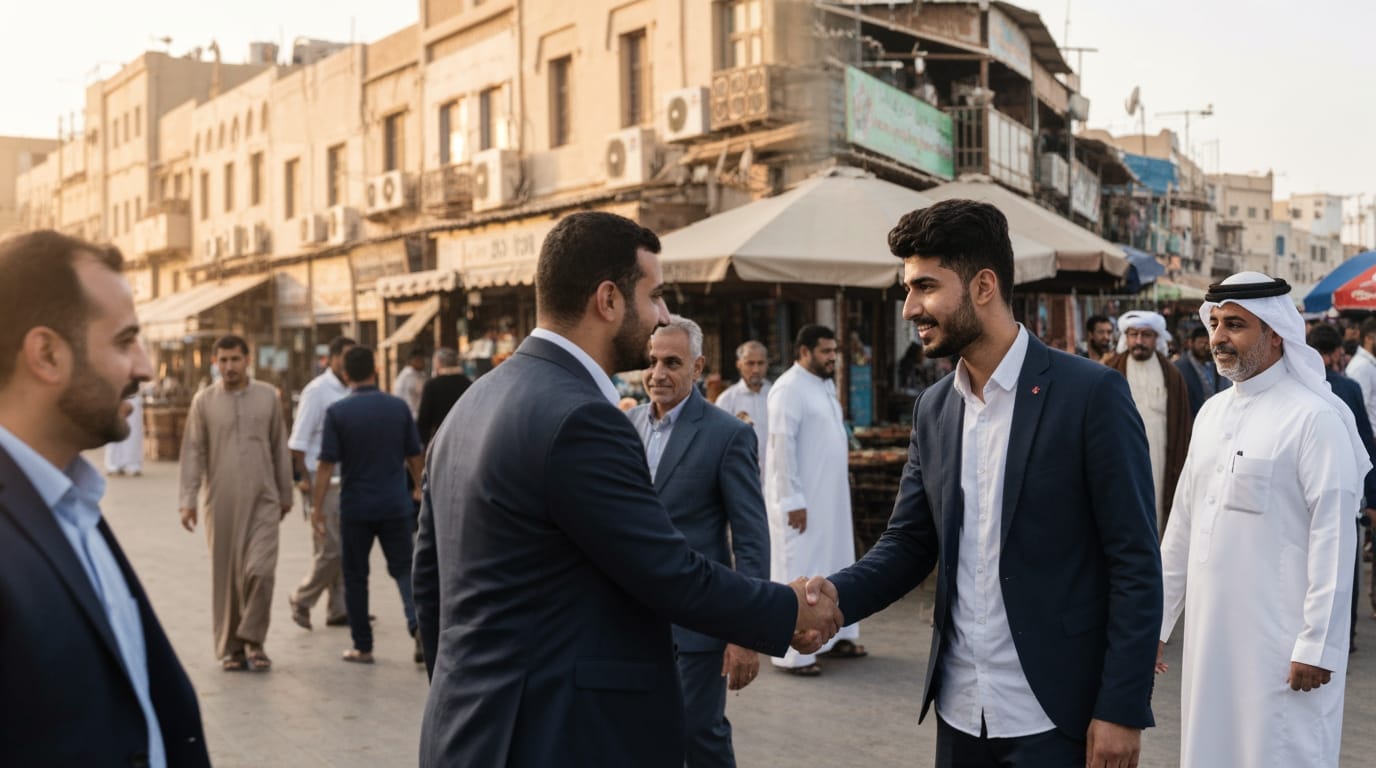
The recent past has presented a paradoxical landscape for relations between Iran and its Arab Gulf neighbors. On one hand, historic diplomatic breakthroughs, notably the China-brokered rapprochement between Tehran and Riyadh, signaled a potential new era of de-escalation. On the other, renewed regional conflicts and aggressive actions have severely eroded fragile trust, casting a long shadow over the prospect of genuine reconciliation. The question of whether Iran can rebuild enduring trust with states across the Gulf remains one of the most critical and complex geopolitical challenges facing the Middle East.
The Tentative Thaw and its Limitations
A significant moment occurred in March 2023, when Iran and Saudi Arabia agreed to restore diplomatic relations following a series of secret talks in Beijing, mediated by China. This agreement, which saw embassies reopen in both capitals later that year, was hailed as a landmark step toward reducing regional tensions after years of hostility. Both nations, acknowledging that further escalation would not serve their national interests, sought to prioritize bilateral relations and foster regional stability. Initial diplomatic consultations and positive messaging from senior officials underscored a commitment to make the deal work. As part of the understanding, Iran reportedly agreed to curb Houthi attacks against Saudi Arabia, while Tehran requested Riyadh cease its alleged support for certain militant groups. For Saudi Arabia, improved relations were seen as beneficial for its ambitious Vision 2030 economic development plan, by reducing perceived geopolitical risks and enhancing its ability to attract foreign investment. The détente was also anticipated to lower geopolitical and investment risks in battleground states like Lebanon, Syria, and Iraq.
However, the foundation of this rapprochement proved tentative. Despite the formal re-establishment of ties, deep-seated suspicion between Tehran and Riyadh persisted. Saudi Arabia's concern over Iran's commitment to non-interference in its internal affairs remained a central issue. While the 2023 agreement marked a notable diplomatic achievement, the underlying ideological differences and strategic rivalries that have historically fueled animosity were never fully resolved.
Decades of Distrust and Proxy Battlegrounds
The historical trajectory of Iran-Gulf relations has been largely defined by periods of strain and occasional, fleeting normalization. Since Iran's 1979 Islamic Revolution, a core issue of contention has been Tehran's ambition to export its revolutionary ideology and expand its influence, often challenging the legitimacy of hereditary monarchies in the Gulf Cooperation Council (GCC) states. This aspiration for regional leadership, coupled with disputes over oil export policy and alliances with external powers, has consistently generated geopolitical friction.
A primary manifestation of this rivalry has been the proliferation of proxy conflicts across the region. Iran has actively supported and leveraged a network of non-state actors, including Hezbollah in Lebanon, Houthi rebels in Yemen, and various Shiite factions in Iraq and Syria, to project power and counter the interests of Saudi Arabia and the United Arab Emirates. In the Syrian civil war, for instance, Iran provided critical military and financial support to the Syrian government, while Saudi Arabia backed rebel groups. In Yemen, Iranian support for the Houthi movement allowed it to sustain a prolonged conflict against the internationally recognized government and the Saudi-led coalition. These proxy engagements, alongside concerns over Iran's nuclear program, have solidified long-standing perceptions of Tehran as a destabilizing force and a strategic threat among many Gulf states.
The Economic and Security Fallout of Renewed Hostilities
The fragility of the 2023 rapprochement was starkly exposed by a more recent surge in regional conflict, referred to in various reports as the "Iran war" (late 2025/early 2026), which involved U.S. and Israeli strikes on Iran, followed by Iranian retaliation. This period witnessed a significant escalation of direct Iranian attacks on its Gulf neighbors, inflicting substantial damage and further shattering trust.
Diplomatic adviser to UAE President Sheikh Mohamed, Dr. Anwar Gargash, unequivocally stated that Iranian "bullying" and aggression, including extensive missile and drone attacks, have severely eroded Gulf trust. He remarked that rebuilding this trust would take "ages and ages," particularly after the UAE was targeted with thousands of missiles and drones, with 89 percent of these attacks directed at civilian and energy infrastructure. Official statistics indicated that in the early stages of this conflict, Iran launched significantly more ballistic missiles and drones at Gulf states than at Israel, impacting major airports and critical energy facilities such as Qatar's Ras Laffan LNG facility and Saudi Arabia's largest refinery. These attacks exposed major economic vulnerabilities across the Gulf, disrupting vital trade routes, energy exports, tourism, and investor confidence. The Strait of Hormuz, a critical chokepoint for global oil and gas exports, faced severe disruptions, underscoring the profound economic impact of regional instability. Such actions have led many Gulf leaders to reassess their strategies, with Iran being increasingly viewed as an enduring threat.
The Path Forward: A Difficult Road to Genuine Rapprochement
Despite the severe damage to relations, the imperative for regional stability remains. The economic model of the Gulf states is intrinsically linked to openness, connectivity, and security, making prolonged conflict unsustainable. However, the path to genuine trust-building is arduous and complex. UAE officials, like Dr. Anwar Gargash, have consistently emphasized that trust can only be rebuilt through responsible language, unwavering respect for sovereignty, and a tangible commitment to the principles of good neighborliness.
One of the persistent challenges lies in the divergent foreign policy lenses within the GCC itself. The six member states often hold differing views on Iran, shaped by unique geographical, demographic, and economic factors, leading to a varied approach ranging from confrontation to dialogue. This lack of a unified front complicates any collective engagement with Iran. Furthermore, as long as Iran continues to support proxy groups and engage in actions perceived as destabilizing by its neighbors, the skepticism and deep-seated suspicion will persist.
While external mediators, such as China, have demonstrated the capacity to broker diplomatic breakthroughs, the durability of such agreements ultimately rests on the political will and concrete actions of the regional players themselves. The recent hostilities have clearly illustrated that while diplomatic channels can be opened, they are highly susceptible to the volatility of regional conflicts and the long shadow of historical grievances.
In conclusion, while recent diplomatic overtures have shown a willingness to engage, the profound damage inflicted by renewed hostilities and Iran's long history of interventionist policies mean that rebuilding enduring trust with its Gulf neighbors remains an exceptionally challenging endeavor. It demands sustained efforts, tangible commitments to non-interference, and a fundamental shift in regional conduct from all parties. Until these core issues are addressed with consistency and genuine respect for sovereignty, the prospect of a truly stable and trusting relationship between Iran and the Gulf states will likely remain a distant aspiration.


