Iran's Top Diplomat Seeks Moscow's Counsel Amid Stalled U.S. Talks
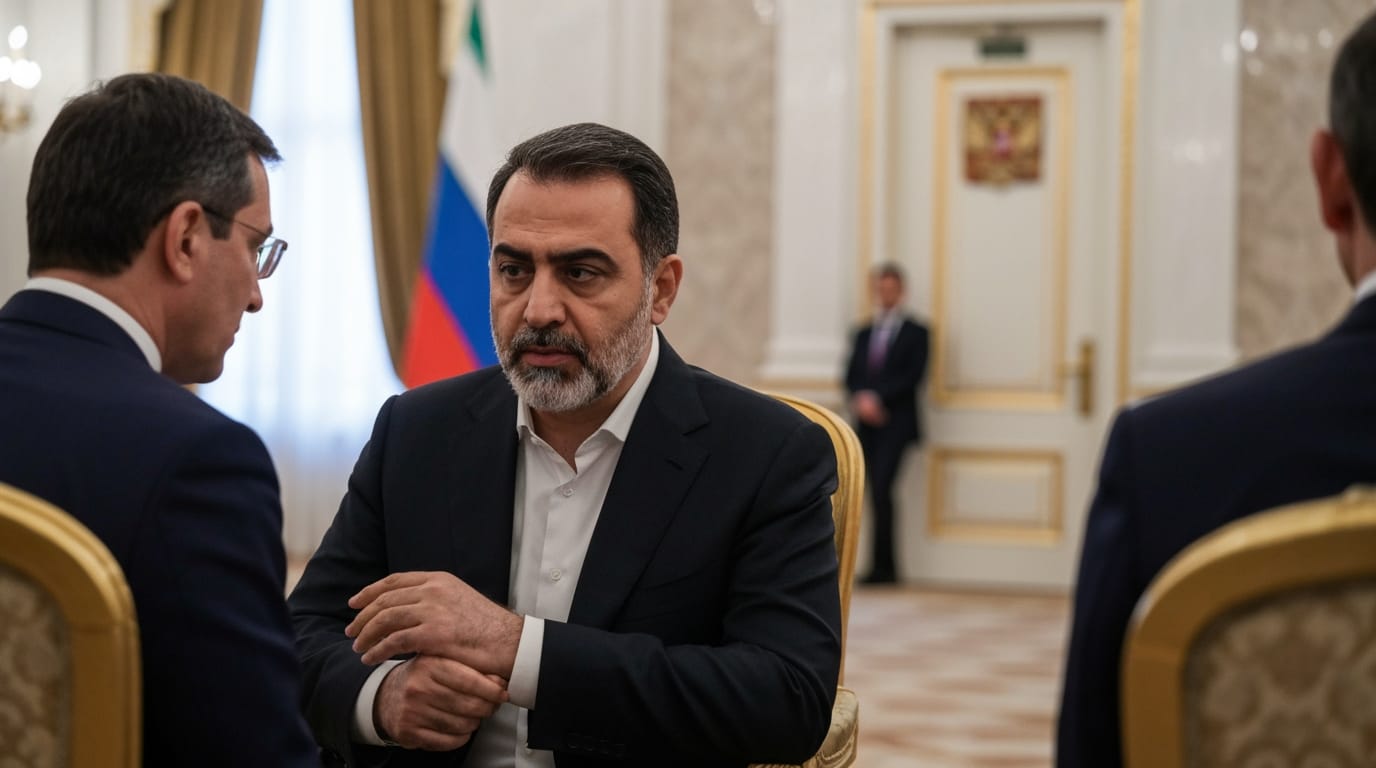
Moscow, Russia – Iran's Foreign Minister, Seyed Abbas Araghchi, arrived in Russia today for high-level discussions with President Vladimir Putin and other senior officials, a diplomatic maneuver signaling Tehran's continued engagement with key allies as peace efforts with the United States remain in limbo. The visit to Moscow follows a whirlwind of regional diplomacy, including stops in Pakistan and Oman, undertaken by Araghchi amidst a period of heightened tensions and a fragile ceasefire in the broader U.S.-Israeli war with Iran. This outreach to Russia underscores Iran's strategy to bolster its international position and secure support for its interests as direct negotiations with Washington falter.
The Iranian foreign minister's itinerary included meetings with Russian counterparts, where the focus was on the ongoing negotiations and the delicate ceasefire situation. Iranian state media emphasized that Araghchi's discussions aimed to "consult with Russian officials regarding the latest status of the negotiations, ceasefire, and surrounding developments," and to advance Iran's interests in the face of external threats. Describing Russia and Iran as a "united front in the campaign of the world's totalitarian forces against independent and justice-seeking countries," Tehran's envoy in Russia highlighted the strategic alignment between the two nations. Araghchi also briefed Russian leadership on efforts to end the current conflict, indicating a coordinated diplomatic push involving significant regional and global stakeholders.
This critical engagement in Moscow comes on the heels of a significant setback in potential U.S.-Iran peace talks. Hopes for a second round of discussions, anticipated to take place in Islamabad, were dashed when U.S. President Donald Trump abruptly canceled a planned visit by his envoys, Steve Witkoff and Jared Kushner. President Trump dismissed the prospective talks as "sitting around talking about nothing," publicly stating that if Iran genuinely desired dialogue, "they can come to us, or they can call us, you know, there is a telephone, we have nice secure lines." This public declaration from the U.S. leader underscored the deep mistrust and divergent expectations that continue to plague attempts at direct engagement.
Prior to Araghchi's departure for Russia, Iran had reportedly conveyed a new proposal to the United States through Pakistani mediators. This offer suggested a deal to reopen the strategically vital Strait of Hormuz and bring an end to the ongoing conflict, while postponing more contentious nuclear negotiations to a later stage. The proposal was reportedly an attempt to prioritize de-escalation and secure the reopening of the crucial waterway, which has remained closed and has led to significant global economic repercussions, including soaring oil prices and fears of food insecurity. While Iran outlined its "red lines" via these written messages to the Americans, the U.S. response to this specific offer remains unclear.
Russia's involvement in these complex diplomatic maneuvers is multifaceted and carries significant geopolitical weight. Historically, Russia has been a consistent partner and supporter of Iran's nuclear program, even contributing to the construction of the Bushehr nuclear power plant and participating in past nuclear negotiations. In the current climate, Moscow has openly offered to mediate between Iran and the U.S., expressing a desire to see a fair deal that restores freedom of navigation and upholds international law. Russian Foreign Minister Sergey Lavrov recently expressed hope for the success of U.S.-Iran peace talks, reaffirming Russia's readiness to assist in finding solutions and overcome the consequences of what it termed "unprovoked U.S.-Israeli aggression against Iran." Russia has also welcomed a two-week cessation of hostilities between the U.S. and Iran, along with Israel's adherence to these agreements. However, observers note that Russia is not a neutral party in this dynamic, possessing its own set of overlapping interests with Iran, which could influence its mediation efforts. Despite Russia's overtures, Tehran has previously shown "little enthusiasm" for direct Russian mediation, primarily due to its reluctance to negotiate under terms dictated by Washington.
At the core of the U.S.-Iran diplomatic deadlock are several deeply entrenched issues. The critical matters under discussion include the freedom of navigation through the Strait of Hormuz, the scope and nature of Iran's nuclear and ballistic missile programs, the lifting of international sanctions against Tehran, and the possibility of a long-term peace agreement. The closure of the Strait of Hormuz, a vital global chokepoint for oil, gas, and fertilizer, has already triggered significant economic fallout worldwide, exacerbating domestic pressures on leaders like President Trump. On the nuclear front, the U.S. position in 2025 and 2026 has consistently demanded "zero enrichment" from Iran, a stance that Tehran has repeatedly rejected. This fundamental disagreement over uranium enrichment remains a primary hurdle in any potential comprehensive agreement.
Seyed Abbas Araghchi, a seasoned diplomat with an extensive career spanning over three decades, brings significant experience to these high-stakes negotiations. Having served as Iran's Foreign Minister since August 2024, Araghchi is particularly noted for his instrumental role as a chief negotiator during the talks that led to the landmark 2015 Joint Comprehensive Plan of Action (JCPOA) nuclear deal. His appointment to the top diplomatic post was viewed by some as a strategic move to pursue pragmatic diplomacy and secure sanctions relief from the West. Known for his deep understanding of international relations, Araghchi is seen by many as uniquely positioned to potentially broker an agreement that could gain credibility with both Western powers and Iranian hardliners. He has previously advocated for a pragmatic approach to relations with the U.S. and called for the "honorable" lifting of sanctions through "goal-oriented" and serious negotiations.
The visit of Iran's top diplomat to Moscow amidst stalled talks with the United States underscores the intricate and often volatile nature of international diplomacy concerning Tehran. With direct dialogue between Washington and Tehran currently on hold, and a significant proposal from Iran on the table regarding the Strait of Hormuz and the sequencing of nuclear discussions, the global community watches closely for any signs of progress. Russia's role as a key ally and potential mediator adds another layer of complexity to the situation, with its own strategic interests carefully balanced against the broader aim of regional stability. The future trajectory of the U.S.-Iran relationship, and by extension, the security of the Middle East and the global energy market, hinges precariously on these delicate diplomatic maneuvers and the willingness of all parties to find common ground.


