Iraq Grapples with Shadow of Past as Ex-PM Linked to ISIS Rise Seeks Return
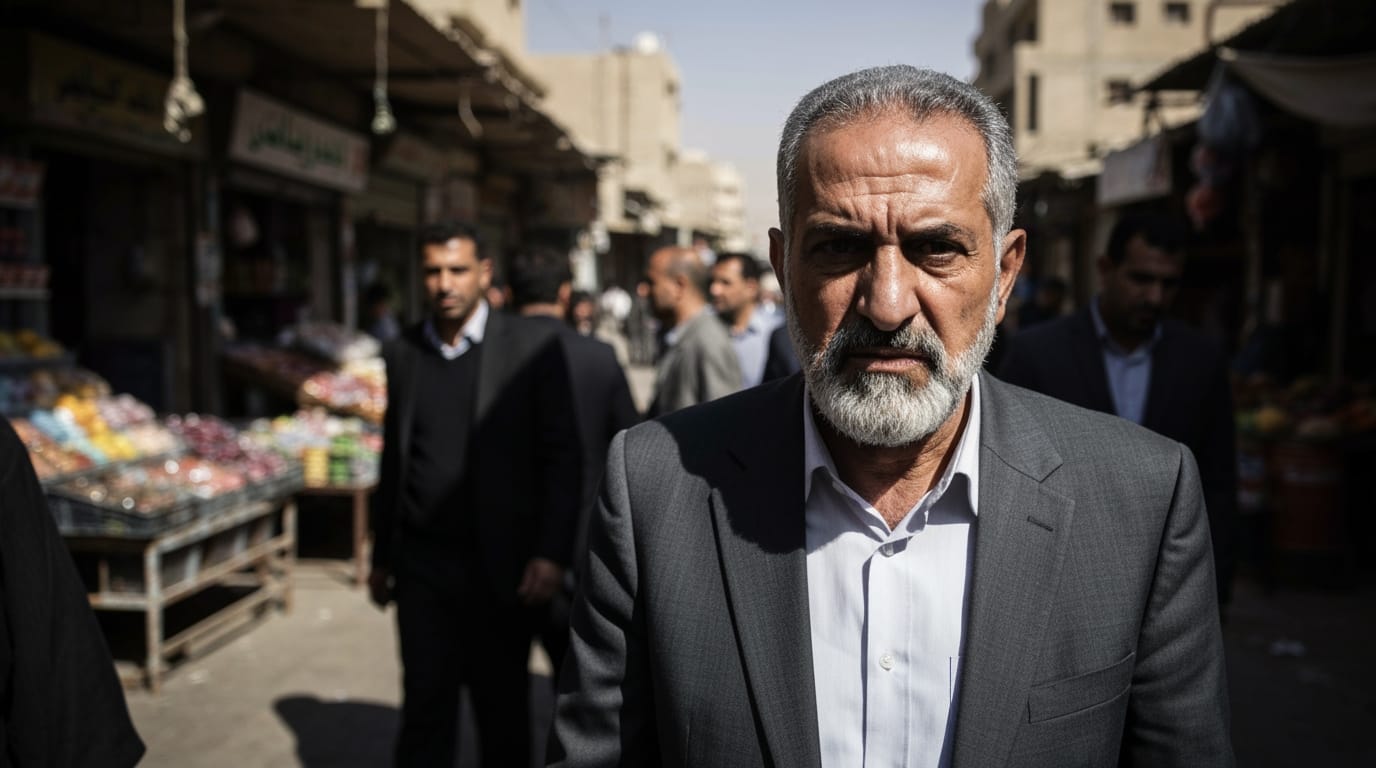
BAGHDAD — Iraq stands at a critical juncture as Nouri al-Maliki, the former Prime Minister whose tenure from 2006 to 2014 was widely associated with the rise of the Islamic State (ISIS), has been nominated by the Shiite Coordination Framework (CF) for a potential third term. This controversial development has reignited deep-seated political divisions and raised alarms both domestically and internationally, forcing the nation to confront the specter of a past many hoped had been left behind. The move comes amid intricate post-election negotiations and underscores the persistent challenges Iraq faces in forging a stable, inclusive governance.
The Resurgence of a Divisive Figure
The political landscape in Iraq has been upended by the Shiite Coordination Framework's decision to put forward Nouri al-Maliki as its candidate for the premiership. This nomination emerged after incumbent Prime Minister Mohammed Shia al-Sudani stepped aside from the race, clearing the path for al-Maliki. With the CF holding a significant majority of approximately 185 out of 329 parliamentary seats, the prospect of al-Maliki’s return to the top executive office is a tangible one. His supporters within the CF cite his "political and administrative experience" as justification for his nomination, asserting that it reflects parliamentary arithmetic. However, this push for a third term has been met with immediate and widespread contention, reopening old fault lines across the country and the broader region.
The Shadow of ISIS: Maliki's Controversial Legacy
Nouri al-Maliki's previous eight years in power, from 2006 to 2014, remain deeply controversial, primarily due to policies and events that critics argue created fertile ground for the devastating rise of ISIS. A key criticism centers on his administration's perceived sectarian approach. Al-Maliki was accused of alienating Sunni communities through policies that centralized power and favored Shia political and military figures. The process of de-Baathification, initially intended to purge Saddam Hussein's loyalists, was allegedly weaponized to exclude Sunnis from public life, banning candidates and arresting moderate Sunni politicians on "terrorism" charges.
This exclusionary environment was exacerbated by a bloody crackdown on Sunni protests in 2012-2013, actions that many observers interpret as directly contributing to the conditions that allowed ISIS to gain significant traction. Furthermore, al-Maliki's tenure was plagued by widespread allegations of corruption, with hundreds of billions of dollars reportedly vanishing from government coffers. The Iraqi military, despite substantial international support, suffered from significant mismanagement, including the existence of "ghost soldiers" – non-existent personnel for whom salaries were paid, costing an estimated $380 million annually by 2014. This systemic corruption and a lack of effective leadership ultimately led to the catastrophic collapse of the Iraqi army in northern Iraq in 2014, paving the way for ISIS to seize major cities like Mosul. A former commander even accused al-Maliki of issuing the order to withdraw from Mosul.
Internal Fault Lines and Regional Ripples
The potential return of Nouri al-Maliki has not only stirred debate but has intensified existing divisions within Iraq's complex political landscape. Within the Shiite community itself, figures like Muqtada al-Sadr are known to harbor deep resentment toward al-Maliki, suggesting that his return could reignite intra-Shia tensions. Sunni factions view his potential premiership with apprehension, with some warning that it could push their communities towards withdrawal, boycott, or even renewed uprising, echoing the conditions of 2013-2014. While some Sunni alliances initially appeared to reject his nomination, the nuanced reactions underscore the fragmented nature of Iraqi politics. Conversely, the Kurdistan Democratic Party (KDP) leadership has reportedly welcomed the news, signaling a willingness to cooperate on outstanding issues.
Internationally, the reactions are sharply divided, reflecting the ongoing geopolitical tug-of-war over Iraq's future. The United States views al-Maliki's return with "deep skepticism." Washington associates his past policies with inadvertently facilitating the rise of ISIS and is concerned that a new al-Maliki premiership could inflame Sunni grievances and bolster Iran-aligned factions at a time when the US seeks to curb Tehran's regional influence. US officials have privately warned Iraqi leaders that the inclusion of commanders from Iran-linked armed groups in the government could trigger sanctions targeting the Iraqi state itself, including oil revenues. Yet, the US faces a dilemma: overtly blocking al-Maliki risks provoking a Shiite backlash against perceived American interference, leading to a focus on shaping the composition of any future cabinet rather than an outright veto of the leader.
In stark contrast, Iran sees al-Maliki as a familiar and reliable figure, one willing and capable of resisting external pressures. His nomination reportedly carries at least tacit approval from Supreme Leader Ayatollah Ali Khamenei, reflecting Tehran's preference for tested actors. Iran views al-Maliki as a unifying Shiite figure who can stabilize the post-invasion order and has historically intervened to support his political ascent.
A Nation at a Crossroads
As Iraq navigates the complexities of government formation following the November 2025 parliamentary elections, the potential return of Nouri al-Maliki casts a long shadow over the nation's fragile stability. While the United Nations reports that Iraq is currently "at peace, with increased security" and has seen a reduction in poverty from 20% in 2018 to 17.5% in 2024-2025, these gains are precarious. The country continues to grapple with significant domestic challenges, including economic fragility, environmental stress, and the need to disarm and reintegrate powerful militia-aligned parties.
Experts warn that a third term for al-Maliki could lead to a "historical relapse," reviving exclusionary politics, sectarian rhetoric, and a sense that the state belongs to one group. This could push Iraq back toward the conditions that led to the 2013-2014 crises. Concerns also exist about regional isolation, with potential freezes on investments from Saudi Arabia and the UAE, military escalation from Turkey, and renewed US sanctions. Iraq's leadership faces the immense task of balancing its relationships with powerful external actors like the United States and Iran, while simultaneously addressing deep-seated internal grievances and steering the country toward lasting peace and development. The decision on al-Maliki's fate will undoubtedly shape Iraq's trajectory for years to come, either reinforcing a path toward stability or risking a perilous return to a troubled past.


