Iraq Navigates Perilous Path as Regional Tensions Escalate
BAGHDAD – Iraq finds itself once again at a critical juncture, struggling to maintain a delicate balance of neutrality as escalating hostilities between the United States and Iran threaten to plunge the region into wider conflict. Recent drone attacks on U.S. forces within Iraqi territory and disruptions to vital oil exports underscore the nation's precarious position, caught between powerful allies and adversaries in a volatile Middle East. The Iraqi government is actively pursuing "edge diplomacy" to avert being drawn into a direct confrontation, a daunting task given its complex internal dynamics and historical role as a battleground for proxy conflicts.
The Precarious Pursuit of Neutrality
Iraq's quest for neutrality is a cornerstone of its foreign policy, yet it is continuously challenged by the deep-seated influence of both the United States and Iran. For years, Baghdad has attempted to navigate its dual alliances, hosting approximately 2,500 U.S. troops by invitation to assist in counter-terrorism efforts, while simultaneously maintaining strong ties with its powerful Shiite-majority neighbor, Iran. This complex relationship has seen the U.S. and Iran repeatedly pressure Iraqi leaders to take sides, creating an environment of constant tension and internal polarization.
Iraqi officials are acutely aware of the devastating consequences of past conflicts and are working diligently to insulate the country from regional turmoil. Efforts include increased diplomatic engagement with Tehran, Washington, and neighboring states, as well as attempts to build domestic consensus around neutrality. However, these efforts are often undermined by the presence of powerful Iran-backed militias, many of whom have entrenched themselves within the Iraqi state's security apparatus since their role in battling the Islamic State. These groups often operate with agendas that diverge from Baghdad's official stance, complicating Iraq's ability to assert full sovereignty and independence in its foreign policy.
A Surge in Security Threats and Proxy Warfare
The security situation in Iraq has grown increasingly volatile, especially since the resumption of the Israel-Hamas conflict in October 2023. While Iraq experienced a period of relative calm in early 2023, armed violence, albeit localized, persisted. The broader regional conflict has reignited tensions, leading to a significant uptick in attacks on U.S. and coalition forces stationed in Iraq and Syria.
In recent days, the dangers have intensified dramatically. Iran-backed militia groups, collectively known as the "Islamic Resistance in Iraq," have claimed responsibility for a series of drone strikes targeting U.S. facilities in Erbil, including areas near the U.S. consulate and Erbil International Airport. These attacks, described as retaliatory, have resulted in casualties, with at least six American service members reportedly killed within a three-day period in early March 2026, marking a perilous escalation in the U.S.-Iran confrontation. Iraqi sources reported interceptions of additional drones, but the scale of the attacks signifies a dangerous widening of the conflict, with Iraq squarely in the middle.
In response to these alarming developments, the Iraqi government has reiterated its firm stance that its territory must not be used as a launching pad for attacks against neighboring states or external entities. A high-level security meeting involving the Chief of Staff of the Iraqi Army and heads of security agencies stressed the commitment to a unified command structure and emphasized Iraq's neutral position. This declaration, however, faces the persistent challenge of bringing all armed factions under central government control, especially those with strong external allegiances.
Deepening Humanitarian and Economic Woes
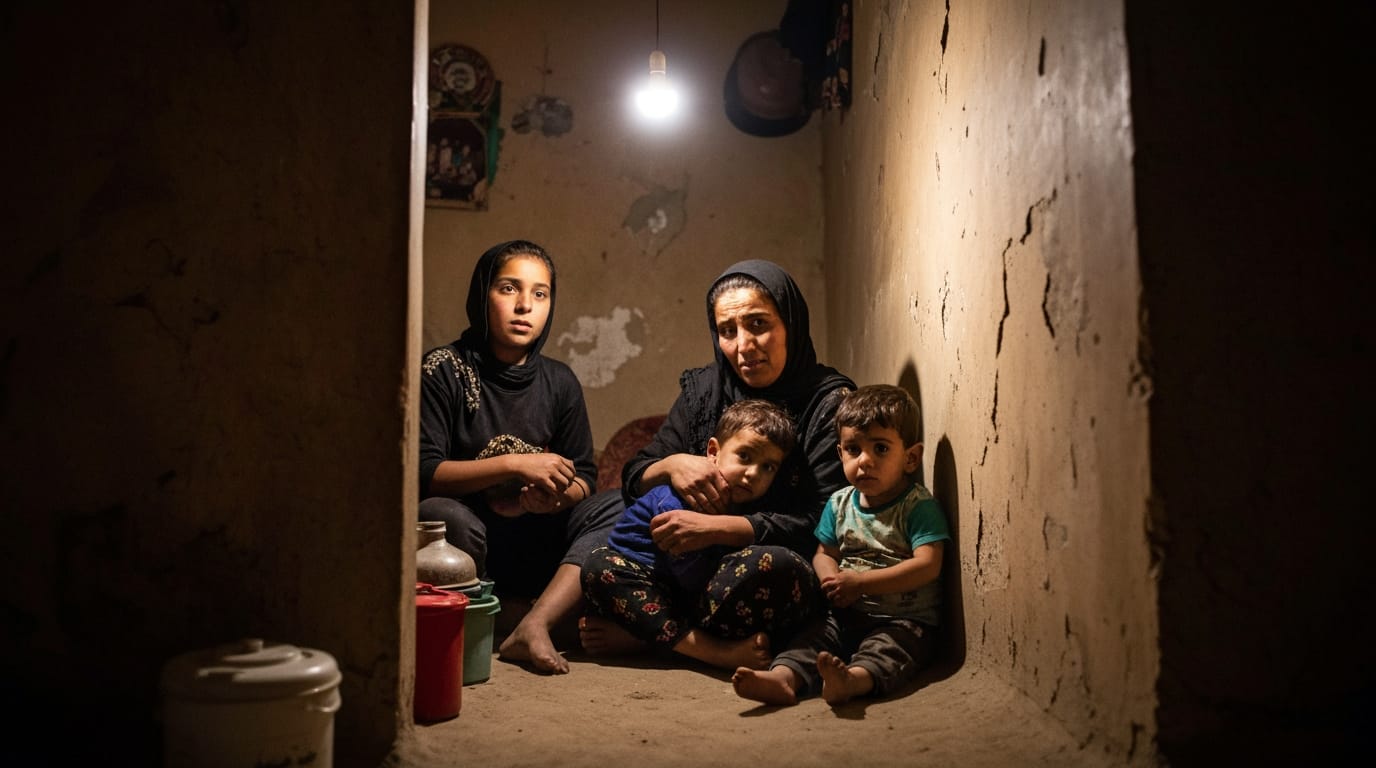
Beyond the immediate security concerns, a wider regional conflict would exacerbate Iraq's already fragile humanitarian and economic conditions. The country continues to grapple with the aftermath of the fight against ISIS; over one million people remain internally displaced, and three million require some form of humanitarian assistance. Challenges include limited access to basic services, inadequate infrastructure, and a lack of livelihood prospects. A further destabilization of the country would inevitably compound these issues, potentially triggering new waves of displacement and increasing the strain on an already stretched humanitarian response.
Economically, Iraq's vulnerability is stark. Its economy relies heavily on oil exports, which are directly threatened by any disruption to regional shipping lanes, particularly the Strait of Hormuz, a critical chokepoint through which approximately 20% of global petroleum and liquefied natural gas passes. The recent military escalation has already led to concrete economic repercussions, with Iraq's largest oil field, Rumaila, suspending production due to export disruptions and full storage tanks, as tanker traffic through the Strait has largely stalled.
Analysts forecast potential crude oil price increases in the range of 5-15% following joint airstrikes on Iran, though some suggest these increases might still be below inflation-adjusted averages seen during the Iraq War. Nevertheless, a prolonged closure of the Strait of Hormuz could lead to a historic oil price spike, potentially pushing prices above $120 per barrel, with severe global economic ramifications. For Iraq, whose state budget is highly dependent on oil revenues, such disruptions represent an existential financial threat, hindering reconstruction efforts and undermining long-term stability. The country's banking system and its reliance on the U.S. dollar also expose it to economic spillover effects from U.S. "maximum pressure" campaigns against Iran.
A Nation on the Precipice
The recent military actions and the overt statement from Baghdad prohibiting the use of its territory for regional attacks underscore the gravity of the current situation. Iraqi leaders face immense pressure from internal factions allied with Iran, who advocate for stronger action against U.S. presence, while simultaneously working to prevent direct confrontation with Washington. This "edge diplomacy" attempts to manage the crisis without joining it, emphasizing sovereignty and the rule of law.
However, the continued targeting of U.S. assets within Iraq by Iran-backed groups, combined with American and Israeli strikes in the region, makes it exceedingly difficult for Iraq to remain a neutral bystander. The current trajectory suggests that Iraq could easily become a primary battleground in a wider U.S.-Iran conflict, with devastating consequences for its fragile stability, economy, and humanitarian situation. The international community, recognizing the potential for widespread destabilization, continues to monitor the situation closely, hoping that diplomatic efforts can avert a full-scale regional war.
In the face of these immense pressures, Iraq's path forward remains fraught with peril. Its ability to navigate the complex geopolitical landscape and safeguard its national interests will depend on a delicate balancing act, requiring significant political will, internal cohesion, and robust international support to prevent its hard-won, albeit fragile, stability from unraveling.


