Is Elon Musk's Political Trajectory Threatening His Empire?
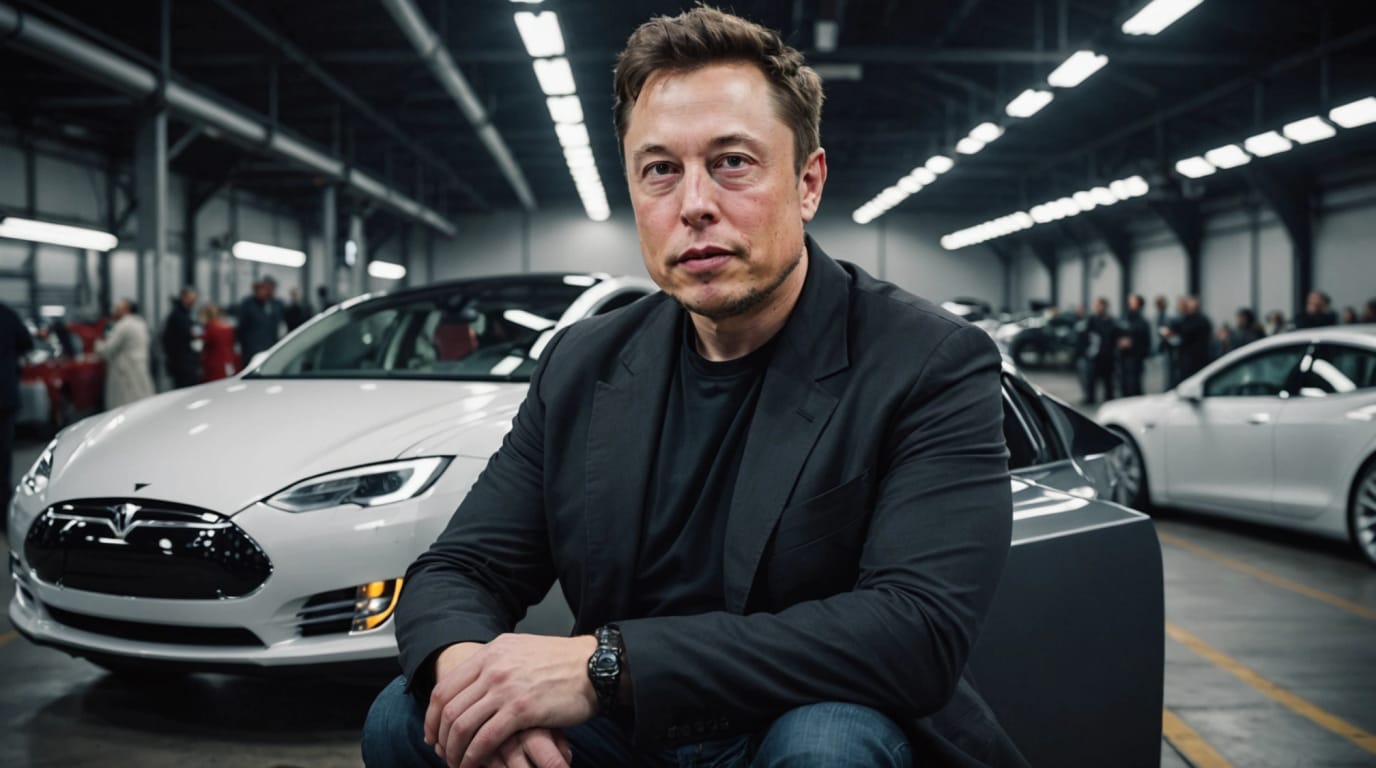
Elon Musk, the world's wealthiest individual and CEO of companies like Tesla and SpaceX, has increasingly become a prominent figure in global politics. While he has long been known for his innovative contributions to technology and space exploration, his recent political endorsements and activities are raising concerns about the potential impact on his business ventures, particularly Tesla.
A Shift to the Right
Musk's political leanings have undergone a noticeable shift in recent years. Historically, he donated to and voted for both Democrats and Republicans. However, since 2022, his contributions have overwhelmingly favored right-leaning or far-right candidates and politicians. He openly declared he would no longer support Democrats, and has become more vocal about his views, frequently promoting conspiracy theories and falsehoods about Democrats, election fraud, and immigration. This shift has led to him being described as right-wing and conservative, labels he rejects.
In the 2024 United States presidential election, Musk played a significant role by establishing a political action committee (PAC) in support of Donald Trump, becoming the election's largest donor with over $250 million. Following Trump's victory, Musk was appointed to co-run a new temporary government organization known as the Department of Government Efficiency (DOGE).
International Interference?
Musk's involvement in international politics has also drawn scrutiny. He has endorsed the far-right, anti-immigrant Alternative for Germany (AfD) party, declaring that "only the AfD can save Germany." This endorsement and his repeated comments on British politics, including demands for Prime Minister Keir Starmer's resignation, have been criticized as foreign interference in domestic affairs. Top European politicians have criticized Musk for telling Germans to let go of "the guilt of the past" during an AfD campaign rally.
His actions have sparked controversy and drawn criticism from European leaders, raising questions about the potential impact on his business interests in those regions. A YouGov survey in January 2025 revealed that 71% of Germans and Britons held a negative view of Musk, with 70-73% finding his attempts to influence politics in their countries unacceptable.
Impact on Tesla
The increasing alignment of Musk with right-wing politics appears to be negatively impacting Tesla. Analysts suggest that Musk's shift to right-wing politics doesn't sit well with potential Tesla buyers, who are generally perceived to be wealthy and progressive consumers. Tesla sales are falling precipitously in California, the company's biggest U.S. market, and the company recorded its first annual global sales decline last year. Similarly, Tesla sales plunged 45 percent in Europe in January, according to research firm Jato Dynamics, even as overall electric vehicle sales rose. The sales numbers were particularly bad in Germany and France.
Shares of Tesla have plummeted 45 percent in 2025, and on March 10, 2025, tumbled more than 15 percent to $222.15, the lowest since late October, reflecting newfound pessimism as sales crater around the globe. Numerous auto industry analysts have attributed Tesla's recent sagging stock — and auto sales — to Musk's support of Trump and other far right candidates around the world. In recent days, Tesla showrooms in the U.S. have been besieged by protesters, its vehicles vandalized on the street. Tesla owners, perhaps in a bid to avoid being targeted, have placed bumper stickers on their cars with messages like, “I bought it before Elon went nuts.”
Investor Concerns
A recent Morgan Stanley survey revealed that 85% of investors believe Musk's political involvement is having a negative or extremely negative effect on Tesla's business fundamentals. The survey, conducted on March 11, 2025, also highlighted concerns over Tesla's 2025 vehicle deliveries, with 59% expecting a decline year-over-year.
When asked about Musk's efforts with U.S. government efficiency and other political activities, 45% of respondents said these actions had a "negative" effect on the company, while another 40% said they were having an "extremely negative" impact. Only 3% saw them as "positive" for the business.
Broader Implications
The potential negative impact extends beyond Tesla. Musk's other ventures, including X (formerly Twitter), could also suffer from the association with his political views. His controversial statements and promotion of conspiracy theories have already led to accusations of sexism, antisemitism, transphobia, and disseminating misinformation.
Musk's actions have also raised concerns about the spread of misinformation and hate speech on X, particularly during politically sensitive moments. His ownership of the platform gives him the authority to shape how its content reaches users, raising fears about potential manipulation of public trust.
Conclusion
Elon Musk's increasing involvement in politics, particularly his alignment with right-wing ideologies and his interventions in international affairs, is raising significant concerns about the potential impact on his business empire. Tesla, in particular, appears to be suffering from a consumer backlash and investor unease, as evidenced by declining sales and plummeting stock prices. While Musk's long-term vision for his companies remains ambitious, his political trajectory poses a growing threat to their success and reputation. The coming months will be crucial in determining whether Musk can navigate these challenges and mitigate the potential damage to his business ventures.