Is Europe's 'Peace Project' at Risk in the New War Economy?
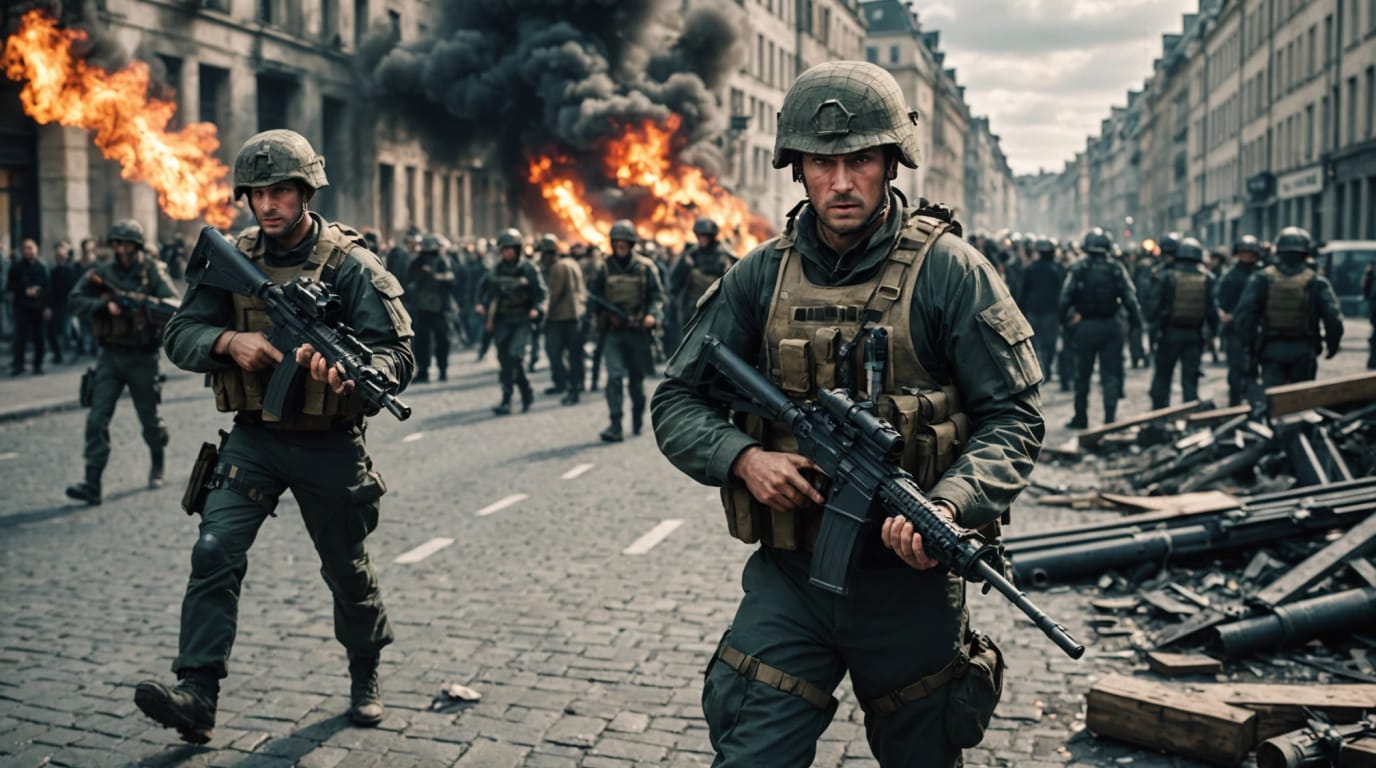
The specter of war in Ukraine has triggered a seismic shift in Europe, forcing a re-evaluation of long-held principles and sparking a transition toward a "war economy." For decades, the European project has been synonymous with peace, built on economic interdependence and cooperation. However, the current geopolitical landscape, marked by Russian aggression and a changing transatlantic relationship, is compelling European nations to prioritize security and defense, raising concerns about the future of the European Union as a guarantor of peace.
From Peace Project to War Project
For over seven decades, the pursuit of peace has been the driving force behind European integration. The core belief was that intertwining economies would foster political reconciliation, preventing future conflicts. The invasion of Ukraine has shattered this assumption, revealing that interdependence can be exploited and that security requires more than just economic ties. This realization has led to a fundamental shift, with the "peace project" giving way to a "war project," as European governments grapple with the need for hard power and increased military spending.
Rearmament and Shifting Priorities
The most visible manifestation of this shift is the widespread rearmament efforts across Europe. Germany's historic decision to increase its defense spending, Denmark's participation in joint European defense arrangements, and Sweden and Finland's bid for NATO membership are all testaments to this changing landscape. Taboos have been broken as EU member states send heavy weaponry to Ukraine, and the EU's "peace facility" has pledged billions to arm the country. This reorientation necessitates a restructuring of the European economy, prioritizing security over efficiency and diverting resources towards defense industries.
The Economic Implications of Rearmament
The transition to a war economy carries significant economic implications. Increased defense spending, while deemed necessary for security, diverts funds from other crucial sectors such as diplomacy, peace-building, climate resilience, and social programs. This reallocation of resources could exacerbate existing social and economic challenges, potentially undermining the long-term stability of the European project. Moreover, the re-industrialization of the European military sector, while intended to bolster security, may not generate wealth in the long run, placing a burden on taxpayers.
The Role of the Arms Industry
The arms industry is playing an increasingly prominent role in the evolving European landscape. Industry leaders argue that security is a prerequisite for sustainability, leveraging the crisis in Ukraine to strengthen their position. This has led to increased lobbying efforts and a growing influence on EU decision-making, with key policymakers expressing support for the defense industry as a strategic pillar of the European economy. However, this focus on strengthening the arms industry raises ethical concerns and could fuel a global arms race, further destabilizing the international order.
Challenges and Uncertainties
Despite the growing consensus on the need for increased defense spending, challenges remain. European armies are still underequipped, and production capacity lags behind demand. Overcoming these hurdles requires a radical transformation of both military and industrial capabilities, a process that will take time and significant investment. Furthermore, the changing dynamics of the transatlantic relationship, particularly with the return of Donald Trump and a potential shift in US foreign policy, add another layer of uncertainty. The EU must be prepared to take greater responsibility for its own security, which necessitates a fundamental rethink of its defense role and long-overdue institutional reforms.
A Continent Divided?
The war in Ukraine has exposed existing divisions within Europe, particularly regarding burden-sharing and strategic priorities. While some countries, like Poland, are actively investing in their defense capabilities, others contribute less to European security. Achieving a more equitable distribution of responsibilities and fostering greater cooperation among member states is crucial for ensuring the long-term viability of the European project. The upcoming European elections will be held under the shadow of the Russian threat, highlighting the urgent need for a unified and coherent approach to security and defense.
Conclusion: A Crossroads for Europe
The war in Ukraine has brought Europe to a crossroads. The transition to a war economy, while necessary to address the immediate security threats, carries significant risks and challenges. The EU must navigate this new reality carefully, balancing the need for increased defense spending with the imperative of maintaining social and economic stability. Ultimately, the future of the European project hinges on its ability to adapt to the changing geopolitical landscape, strengthen its security and defense capabilities, and preserve the values of peace, democracy, and cooperation that have defined it for decades. The path forward will require strong political will, unprecedented financial investments, and a renewed commitment to European unity.