Israel Attacks Intensify Pressure on Germany's Middle East Policies
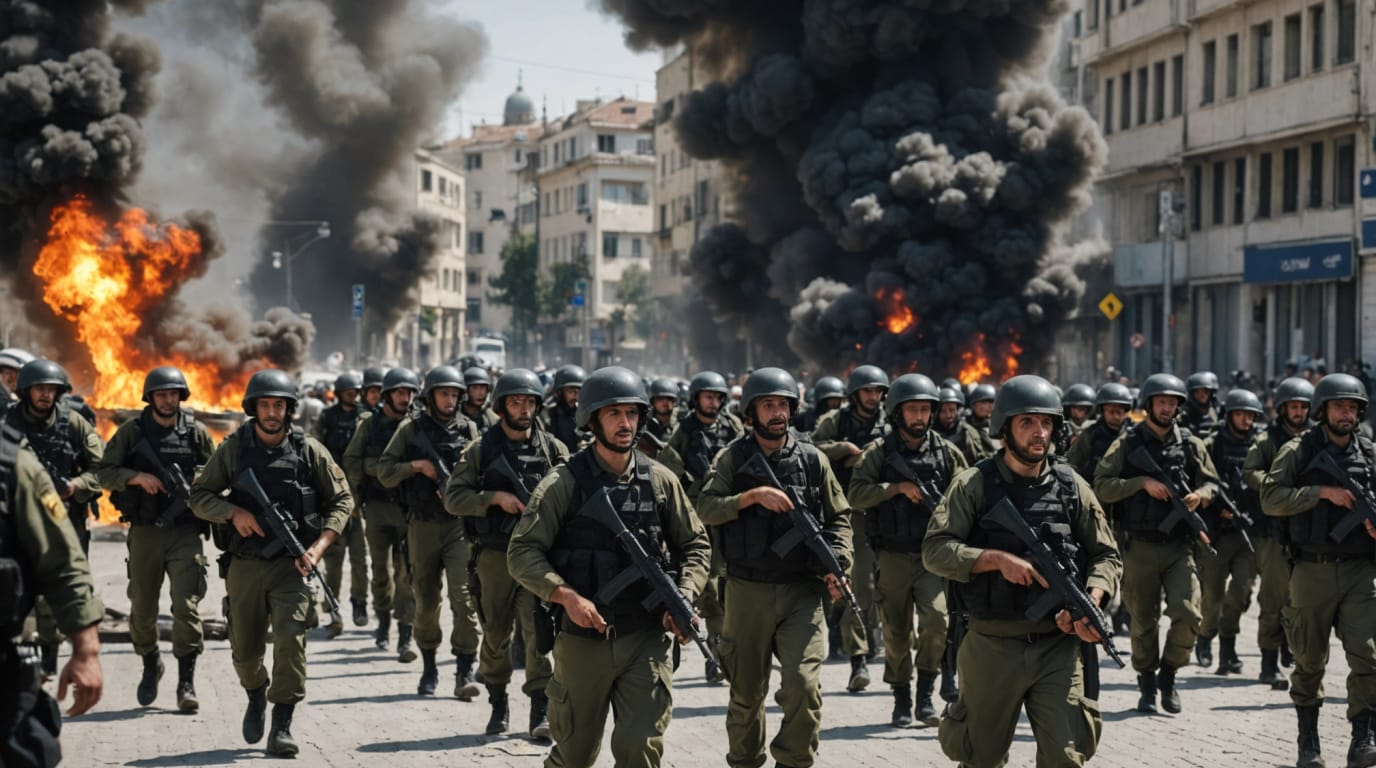
BERLIN – Recent escalations in the Middle East, particularly Israel's strikes against Iran, are placing immense pressure on Germany's long-standing and complex Middle East policies. Caught between its historical responsibility to Israel and its commitment to international diplomacy, Germany is navigating a precarious path as it seeks to de-escalate tensions and maintain stability in the region.
Germany's Unwavering Support for Israel
Germany's relationship with Israel is rooted in its historical responsibility for the Holocaust. This has translated into unwavering support for Israel's right to exist and defend itself. Chancellor Friedrich Merz has repeatedly affirmed this commitment, stating that Israel's security is a "fundamental part of Germany's position." Following the recent Israeli attacks, Merz reiterated Israel's right to defend its existence and the security of its citizens, citing Iran's nuclear program as an "existential threat." This support extends to military aid, with German officials indicating a willingness to supply weapons to Israel if its right to exist is threatened.
Foreign Minister Johann Wadephul has been actively touring the Middle East to demonstrate Germany's solidarity with Israel. While occasionally calling for restraint and diplomatic solutions, these appeals are largely seen as attempts to appease public opinion without impacting Germany's core support for Israel.
Balancing Act: Diplomacy and De-escalation
Despite its strong support for Israel, Germany is also attempting to play a role in de-escalating tensions in the region. Wadephul's recent trip to the Middle East, though altered due to the escalating conflict, included meetings with Saudi officials in Riyadh to discuss the exchange of missile strikes between Israel and Iran. Germany is actively seeking a diplomatic path to resolve the conflicts, recognizing the heightened risk of a broader regional war.
Germany's approach involves working with regional actors, such as Saudi Arabia and Qatar, who are already involved in negotiations related to the conflict in Gaza and efforts to bring Iran to the negotiating table regarding its nuclear capabilities. Germany supports diplomatic solutions to prevent further escalation and promote stability.
Domestic Concerns and Security Measures
The escalating tensions in the Middle East have also raised concerns within Germany itself. The government has increased security measures around Israeli and Jewish sites in the country in anticipation of potential retaliatory attacks by Iran. Chancellor Merz announced these measures, emphasizing the need to protect Israeli and Jewish institutions within Germany.
These security measures reflect the delicate balance Germany must strike between supporting Israel and protecting its own citizens and interests. The potential for domestic repercussions adds another layer of complexity to Germany's Middle East policy.
International Law and Criticism
Germany's unwavering support for Israel has drawn criticism from some quarters, particularly regarding the legality of Israel's attacks on Iran under international law. Some experts argue that the attacks violate the UN Charter's prohibition on the use of force, as they do not meet the criteria for self-defense after an armed attack.
Despite these criticisms, the German government maintains its position, emphasizing Israel's right to defend itself against perceived threats. This stance reflects Germany's unique historical responsibility and its commitment to Israel's security.
The Future of Germany's Middle East Policy
The recent escalations in the Middle East present a significant challenge to Germany's foreign policy. The country is attempting to balance its historical commitment to Israel with its desire to promote peace and stability in the region. This balancing act requires careful diplomacy, a willingness to engage with all parties involved, and a recognition of the complex dynamics at play.
Germany's ability to navigate these challenges will have significant implications for the future of the Middle East and for Germany's role in the international arena. As the situation continues to evolve, Germany will need to adapt its policies to address the changing realities on the ground while remaining true to its core values and commitments. The coming months will be crucial in determining the long-term impact of these recent events on Germany's Middle East policy and its relationship with the region.


