Israel Broadly Accepts Gaza Ministry Death Toll, Signaling Major Policy Shift
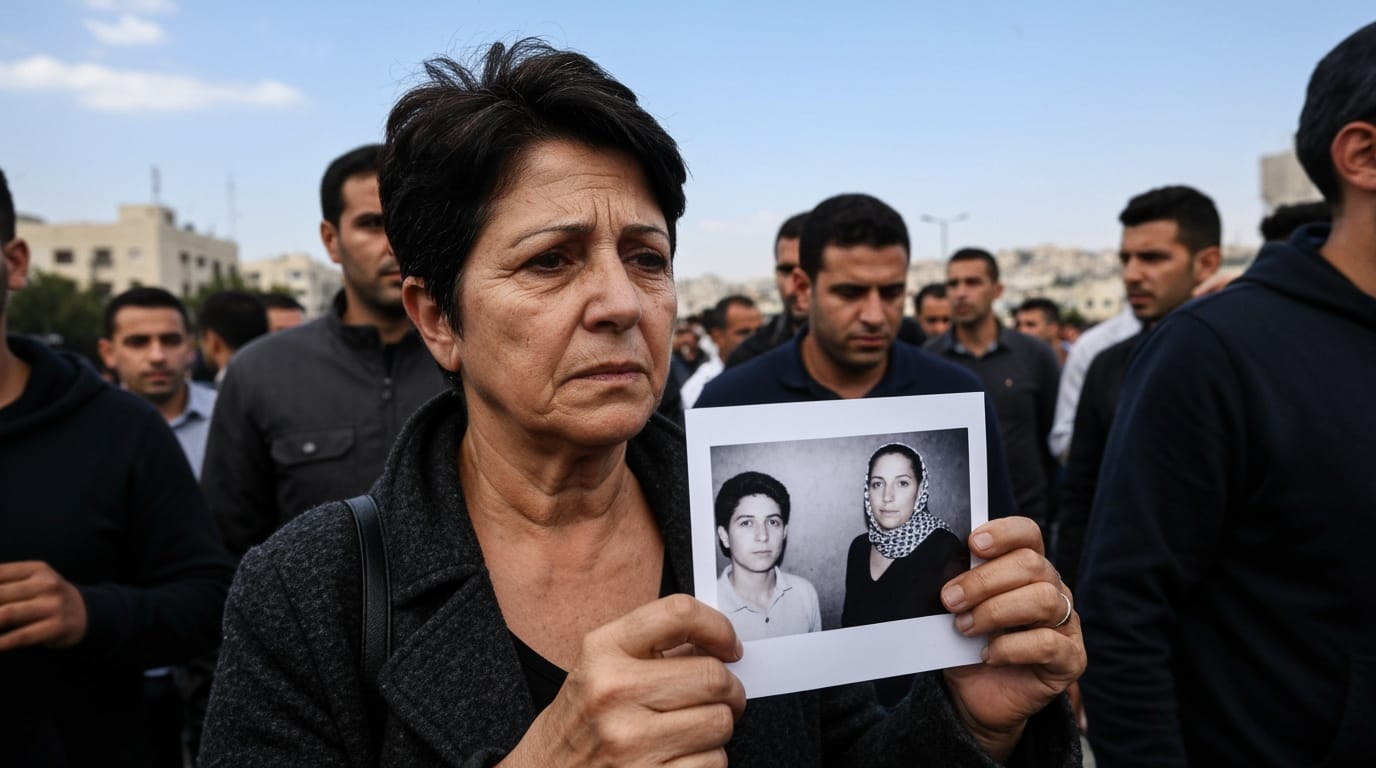
Tel Aviv, Israel – In a significant reversal of its long-standing position, reports indicate that the Israeli military has broadly accepted the death toll figures released by the Gaza Health Ministry, which currently stands at over 70,000 Palestinians killed since the conflict began on October 7, 2023. This acknowledgment marks a critical shift in how Israel views the casualty figures from the war, moving away from previous dismissals that labeled the data as unreliable and politically motivated. The acceptance, initially reported by Israeli media, carries profound implications for the international narrative surrounding the conflict and potential pathways for accountability.
Acknowledgment After Years of Skepticism
For more than two years, Israeli officials and their allies consistently cast doubt on the casualty figures emanating from the Gaza Health Ministry, often portraying them as "misleading and unreliable" or "Hamas propaganda." This skepticism extended to high-ranking officials, including former Israeli Foreign Minister Israel Katz, who called the figures "fake data from a terrorist organization," and even US President Joe Biden, who publicly questioned their veracity. Media outlets and political figures frequently highlighted the Ministry's governance by Hamas as a reason to discredit its reports, fostering an environment where empirical reporting was often reframed as partisan or naive.
However, recent reports, particularly from the liberal Israeli newspaper Haaretz, indicate that the Israel Defense Forces (IDF) now accept the Health Ministry's estimate of more than 70,000 fatalities as broadly accurate. Specifically, the Gaza Health Ministry reported 71,667 deaths as of January 28, 2026, with an additional 492 fatalities since a ceasefire agreement was finalized in October 2025. This sudden shift in stance contradicts Israel's prolonged efforts to delegitimize the casualty count and underscores the immense human cost of the ongoing hostilities.
The Grim Toll and Its Broader Context
The accepted figure of over 70,000 Palestinians killed represents a staggering loss of life in a densely populated territory. Beyond the fatalities, the Gaza Health Ministry also reports more than 171,000 people have been injured in the conflict since October 7, 2023. These numbers, while devastating, are understood to primarily account for deaths directly caused by Israeli military actions.
Crucially, the current death toll does not include an unknown number of individuals who are still missing, potentially buried under the extensive rubble across the Gaza Strip, nor does it encompass those who have succumbed to indirect causes such as starvation, lack of medical care, or preventable diseases exacerbated by the humanitarian crisis. International agencies have documented severe shortages of food, clean water, and medical supplies, directly linking these conditions to Israeli restrictions and blockades. Reports from January 2026 alone indicate that eleven children have died from hypothermia, highlighting the dire conditions faced by the civilian population.
The sheer scale of casualties means that nearly three percent of Gaza's population has been killed in just over two years, a level of civilian loss considered almost unprecedented in modern warfare involving an advanced military. This figure gains further perspective when considering other losses: over 248 journalists, 120 academics, and 224 humanitarian aid workers, including 179 employees of UNRWA, have been reported killed. For context, over 2,100 Israelis have also been killed in the conflict, the majority during the October 7, 2023 attacks and their immediate aftermath.
Verifying the Numbers: Methodology and International Trust
The methodology employed by the Gaza Health Ministry in compiling its casualty figures has been a focal point of debate. In the initial months of the conflict, the ministry’s reporting relied heavily on body counts from hospital morgues, often including names and identification numbers for the deceased. As the war progressed and the functioning of hospitals became severely compromised, the data collection methods adapted, incorporating reports from family members and, in some cases, partial details for those whose deaths could not be fully documented through official channels. The ministry has also stated that the actual number of dead is likely higher, given the many victims buried under rubble who remain unaccounted for.
Despite allegations of manipulation from Israeli officials, the Gaza Health Ministry's figures have consistently been regarded as broadly reliable by a wide array of international bodies and humanitarian organizations, including the United Nations. These organizations have often relied on the ministry's data in their own reporting and assessments of the humanitarian situation. The UN Office for the Coordination of Humanitarian Affairs (OCHA), for instance, regularly cites the Ministry of Health's figures in its situation reports, indicating an implicit trust in the data's overall accuracy. This widespread acceptance by neutral parties stands in contrast to the Israeli government's previous efforts to undermine the credibility of the numbers.
Implications for Accountability and the Global Narrative
The Israeli military's broad acceptance of the Gaza Health Ministry's death toll fundamentally alters the discourse surrounding the conflict. This shift lends significant credibility to the numbers that international organizations and human rights groups have been reporting, effectively validating their persistent warnings about the scale of destruction. It suggests that the previous debate was less about the accuracy of the figures themselves and more about avoiding responsibility for the devastating human cost.
This acknowledgment is likely to intensify calls for greater accountability and legal scrutiny of the conduct of the war. With the death toll now broadly accepted by all major parties, the focus can squarely shift to the circumstances surrounding these deaths, the adherence to international humanitarian law, and the protection of civilians. The high casualty rate, particularly among civilians, demands global attention and raises serious questions about military operations in densely populated urban environments.
Moreover, this development could influence international diplomatic efforts and the potential for long-term peace negotiations. By accepting the grim reality of the death toll, Israel may face increased pressure from international partners to adjust its military strategies, prioritize humanitarian aid more effectively, and engage in more robust efforts to de-escalate the conflict. The previous strategy of denying the figures, which some observers characterized as a form of "casualty denialism," now appears unsustainable and largely discredited.
Conclusion
The Israeli military's broad acceptance of the Gaza Health Ministry's casualty figures marks a pivotal moment in the ongoing conflict. With over 70,000 Palestinian lives lost and more than 171,000 injured, these figures paint a stark picture of humanitarian catastrophe. This change in Israel's stance, after years of challenging the data, validates the grim reality documented by humanitarian organizations and lends undeniable weight to calls for greater international accountability. It underscores the profound human cost of the conflict and may compel a reevaluation of strategies and priorities by all parties involved, hopefully paving the way for more effective humanitarian interventions and a renewed focus on civilian protection in the future.


