Sinaloa Governor Steps Down Amid U.S. Drug Trafficking Indictment
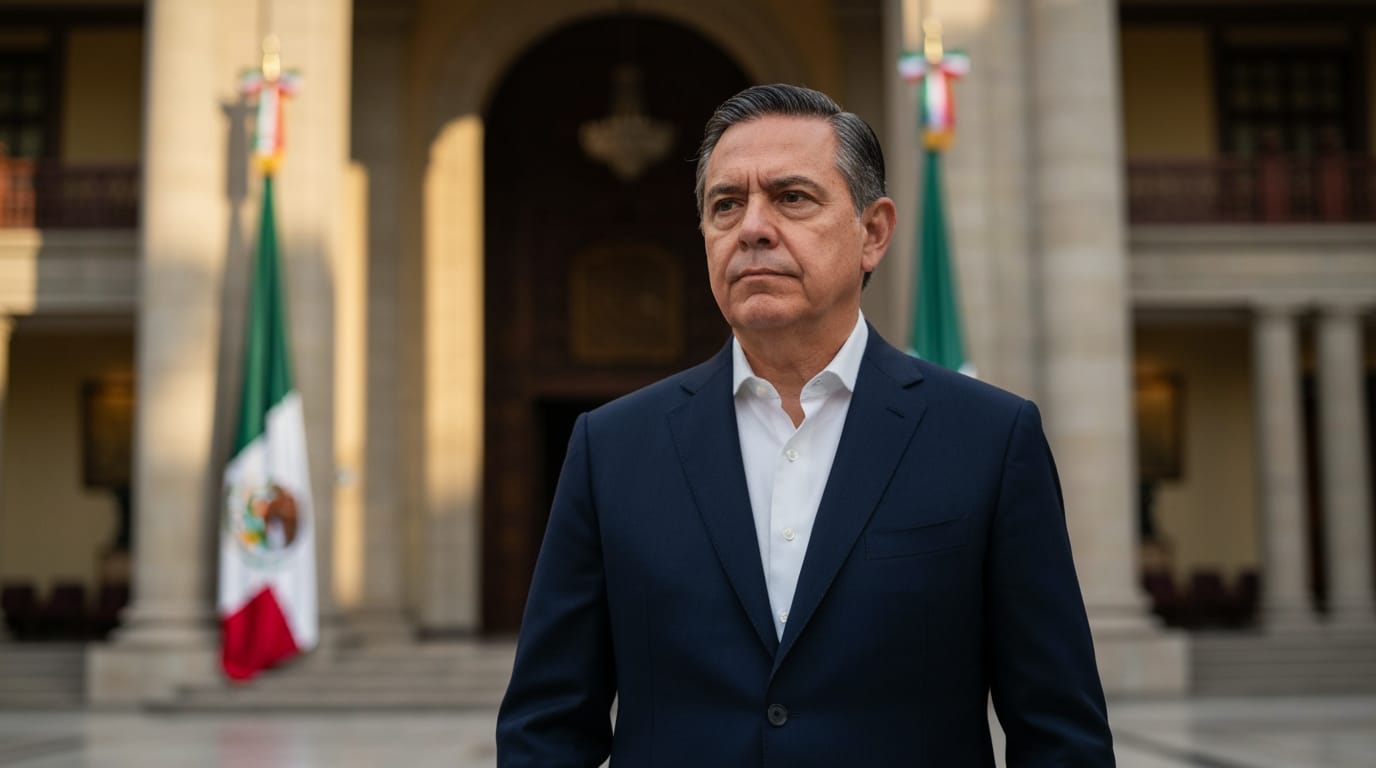
MEXICO CITY – In a development poised to send reverberations through Mexico's political landscape and U.S.-Mexico relations, Rubén Rocha Moya, the sitting governor of the northwestern state of Sinaloa, has announced he is temporarily stepping down from his post. This decision follows a bombshell indictment by the U.S. Justice Department, which has charged Rocha Moya and nine other officials with collaborating with the notorious Sinaloa cartel to facilitate the distribution of massive quantities of narcotics into the United States. The unprecedented charges against a sitting Mexican governor have ignited a political firestorm, prompting immediate action and raising profound questions about corruption at the highest levels of government.
The U.S. Justice Department's indictment, unveiled this week, alleges a sophisticated scheme involving Governor Rocha Moya, a prominent member of Mexican President Claudia Sheinbaum's Morena party, and several other high-ranking officials. The charges assert that these individuals actively worked with the powerful Sinaloa cartel, a criminal organization with a long history of drug trafficking, to smuggle illicit narcotics into the United States. The indictment details federal charges including narcotics importation conspiracy and possession of machine guns and destructive devices, along with another conspiracy count. If convicted, Rocha Moya could face a life sentence in prison or a mandatory minimum of 40 years behind bars. The scope of the indictment extends beyond the governor, encompassing nine additional officials, including Juan de Dios Gámez Mendívil, the mayor of Culiacán, Sinaloa’s capital, who also announced his temporary leave of absence.
Governor Rocha Moya, who has served as Sinaloa's governor since 2021 and is a close ally of former President Andrés Manuel López Obrador, vehemently denied the accusations, characterizing them as "false and malicious." In a video statement released late Friday, he informed the people of Sinaloa of his request for a temporary leave from office, stating his intention to facilitate investigations. He maintained that his conscience was clear and asserted his loyalty to the people and his family, emphasizing he had never betrayed them. His decision to take temporary leave, rather than resign outright, is significant as it potentially allows him to retain a degree of immunity from criminal prosecution, which typically requires a formal impeachment process by Mexico's Congress. This move aims to allow him to defend himself against the allegations while cooperating with the Mexican government's own investigation.
The indictment and subsequent temporary stepping down of Governor Rocha Moya have sent shockwaves through Mexico's political establishment, particularly impacting the ruling Morena party. At least three of the officials named in the U.S. indictment are affiliated with Morena. President Claudia Sheinbaum, who has been in office for a short period, finds herself navigating a complex situation that pits her party's interests against mounting pressure from the United States to intensify the fight against cartels. Sheinbaum has indicated that Mexico would consider extraditing officials to the U.S. only upon receiving "irrefutable evidence" of cartel links, while also stressing that Mexican authorities would conduct their own investigations to gather information. This incident marks a notable precedent, as it is reportedly the first time the U.S. has made public narcotrafficking charges against a sitting governor or other high-ranking Mexican official.
This is not the first time Rocha Moya's name has been linked to cartel activities. In 2023, he was embroiled in a scandal involving the Sinaloa cartel when his name appeared in a letter written by a cartel capo. This capo, who was later handed over to U.S. law enforcement after being kidnapped by a rival faction, claimed in the letter that he was on his way to meet with Rocha Moya when he was abducted. This previous allegation provides a critical backdrop to the current indictment, highlighting a history of scrutiny regarding his potential connections to organized crime. The current charges and his temporary departure underscore the persistent challenges Mexico faces in combating deeply entrenched corruption and the pervasive influence of drug cartels within its governmental structures. The federal nature of the charges and the direct action by the U.S. Justice Department signal a heightened level of cross-border enforcement, putting renewed pressure on Mexican authorities to address allegations of official complicity in drug trafficking.
The temporary leave taken by Governor Rocha Moya and Mayor Gámez Mendívil means they no longer enjoy the immunity from prosecution that their offices previously afforded them. This opens the door for both Mexican and potentially U.S. authorities to proceed with investigations and legal actions. The Mexican government's commitment to investigating these cases, as stated by President Sheinbaum, will be closely watched by international observers and could set a precedent for how future allegations of high-level corruption are handled. The outcome of these investigations and any potential extradition proceedings will significantly impact the trajectory of U.S.-Mexico security cooperation and the credibility of anti-corruption efforts within Mexico.
The indictment of a sitting state governor for drug trafficking by the United States represents a pivotal moment in the ongoing struggle against organized crime and corruption in North America. Governor Rubén Rocha Moya's temporary stepping down signals a critical juncture, bringing into sharp focus the complex interplay between Mexican domestic politics, bilateral relations with the U.S., and the pervasive influence of powerful cartels. As investigations unfold, the implications for political accountability in Mexico, the effectiveness of anti-narcotics strategies, and the future of cross-border collaboration will undoubtedly be profound, shaping the narrative of governance and justice in the region for years to come.


