Israel Buries Last Gaza Hostage, Marking Somber End to National Ordeal
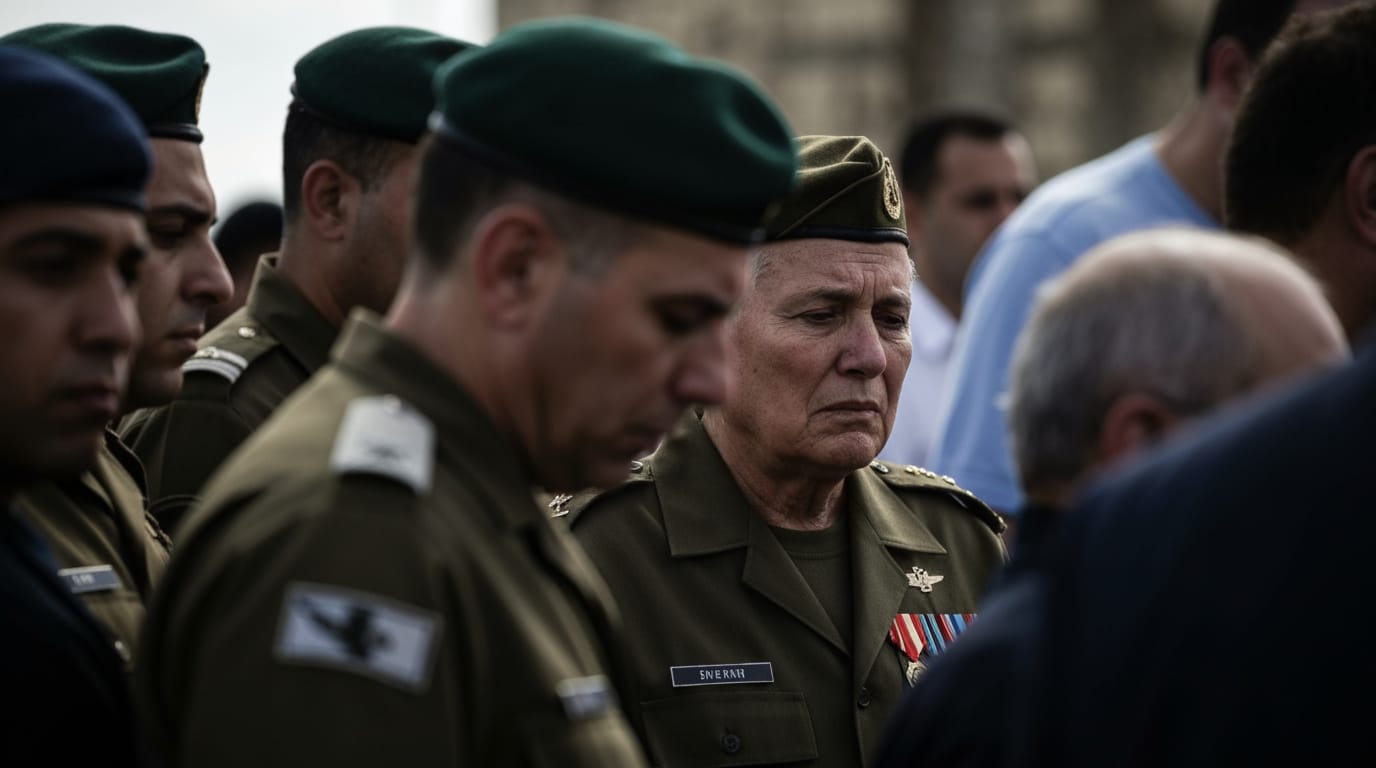
MEITAR, Israel – In an emotionally charged ceremony on Wednesday, Israel laid to rest Ran Gvili, the 24-year-old police officer whose remains were the last to be recovered from Gaza, bringing a deeply painful chapter of the nation's history to a close. Hundreds of tearful mourners, including top Israeli officials, gathered in Gvili's hometown of Meitar to pay their final respects, a moment that for many signifies a long-awaited, yet heartbreaking, closure after more than two years of uncertainty and grief.
The funeral marked a poignant turning point for a country that has been gripped by the fate of its citizens held captive since the October 7, 2023, attacks. For the first time since 2014, Israel can state that no Israeli hostages remain in Gaza, a development met with a complex mix of relief and profound sorrow. The return of Gvili's body culminates an 843-day national campaign to "bring them home," a rallying cry that united millions across Israel and beyond.
A Nation Mourns: The Final Farewell
The stadium in Meitar was filled with a somber crowd as Gvili's casket, draped in the Israeli flag, was brought to its final resting place. Civilians and police officers, many holding flags, lined the streets as the convoy proceeded, reflecting the national significance of the event. Among the attendees were Prime Minister Benjamin Netanyahu and President Isaac Herzog, whose presence underscored the gravity of the occasion. Notably, this was the first funeral for a Gaza hostage that Prime Minister Netanyahu attended, an appearance that followed past criticisms regarding his engagement with hostage families.
President Herzog, in his eulogy, articulated the collective sentiment, stating that Gvili's return "closed the circle" for Israel, allowing the nation to "slowly begin" a process of healing. Prime Minister Netanyahu echoed the resolve of the government, vowing to persist in efforts to disarm Hamas and demilitarize Gaza. He also announced plans to establish a village in Gvili's honor, a gesture meant to memorialize his sacrifice and the enduring pain of the hostage crisis. For Gvili's sister, Shira Gvili, the return, though not in the desired manner, ended a long period of anguished waiting.
Ran Gvili: A Hero's Journey Home
Ran Gvili, a 24-year-old police officer, was among the 251 individuals kidnapped during the brutal October 7, 2023, cross-border assault by Hamas. He was killed fighting militants during the attacks, after evacuating survivors of the Nova festival massacre to safety. According to Israeli officials, he was subsequently taken captive by the Islamic Jihad militant group. His death was officially announced in January 2024, yet his remains remained in Gaza, making him the last hostage to be recovered. For 50 days, Gvili was the sole remaining hostage, a stark and agonizing reality for his family and the nation.
The journey to recover Gvili's body was a complex undertaking. Israeli troops eventually located his remains in a cemetery in Gaza City on Sunday, January 25, 2026. The operation, named "Operation Courageous Heart" or "Brave Heart," was reportedly based on an intelligence breakthrough. His body was found intact and still in his uniform, as confirmed by Israel's police chief to his father. Militant groups in Gaza, including Hamas and Palestinian Islamic Jihad, claimed to have provided information to Israel through Arab mediators to facilitate the location of Gvili's remains.
The Broader Hostage Crisis: A National Trauma
The hostage crisis, which began on October 7, 2023, saw approximately 251 people, including Israelis and foreign nationals, abducted and taken into the Gaza Strip. This mass abduction became one of the most traumatic episodes in Israel's history. Throughout the ensuing conflict, efforts to secure the release of the hostages were central to national discourse and international diplomacy. Several ceasefires and negotiations, often brokered by international actors like the U.S., Qatar, and Egypt, led to the release of many captives, both living and deceased.
However, the process was fraught with challenges and conflicting narratives. While many hostages were returned, a significant number, 84, were tragically killed either during the initial attacks or in captivity. The slow, intermittent return of bodies over more than two years underscored the immense difficulties in these exchanges. The "bring them home" campaign, fueled by the anguish of the hostage families, garnered widespread support and became a powerful symbol of national unity and resilience.
Unresolved Questions and Lingering Tensions
While Gvili's burial offers a measure of finality for Israel, the events surrounding his recovery have also highlighted unresolved issues and deepened existing tensions. Palestinian witnesses in Gaza City reported disturbing details about the recovery operation, stating that remains exhumed during the search were left exposed in the cemetery without reburial. These accounts raised concerns among local residents about the respectful handling of graves. Additionally, hospital officials reported that two individuals were killed by an Israeli drone strike while attempting to access the cemetery area, an incident the Israeli military stated it was unaware of.
The return of Gvili's body was also reportedly linked to a component of a ceasefire plan involving the opening of the Rafah crossing between Gaza and Egypt. However, Palestinian residents questioned why the crossing remained closed, despite the understanding that it would open following the last hostage's return, expressing concerns that their lives had not improved and highlighting the ongoing humanitarian crisis in Gaza. The broader context of the conflict, with its devastating toll on both sides, remains a complex and deeply entrenched challenge.
Conclusion
The funeral of Ran Gvili stands as a profound moment for Israel, marking the end of a prolonged and harrowing search for its last captive from Gaza. It is a moment of collective grief for a life lost and a somber culmination of a national ordeal that has reshaped the country's psyche. Yet, even as Israel seeks to heal and move forward, the broader implications of the conflict, the unresolved suffering in Gaza, and the enduring quest for security and peace continue to cast a long shadow over the region. The return of Gvili's body closes a painful chapter, but the larger story of the conflict, and its human cost, remains far from over.


