Israel Claims Elimination of New Hamas Armed Wing Chief in Gaza Amid Escalating Conflict
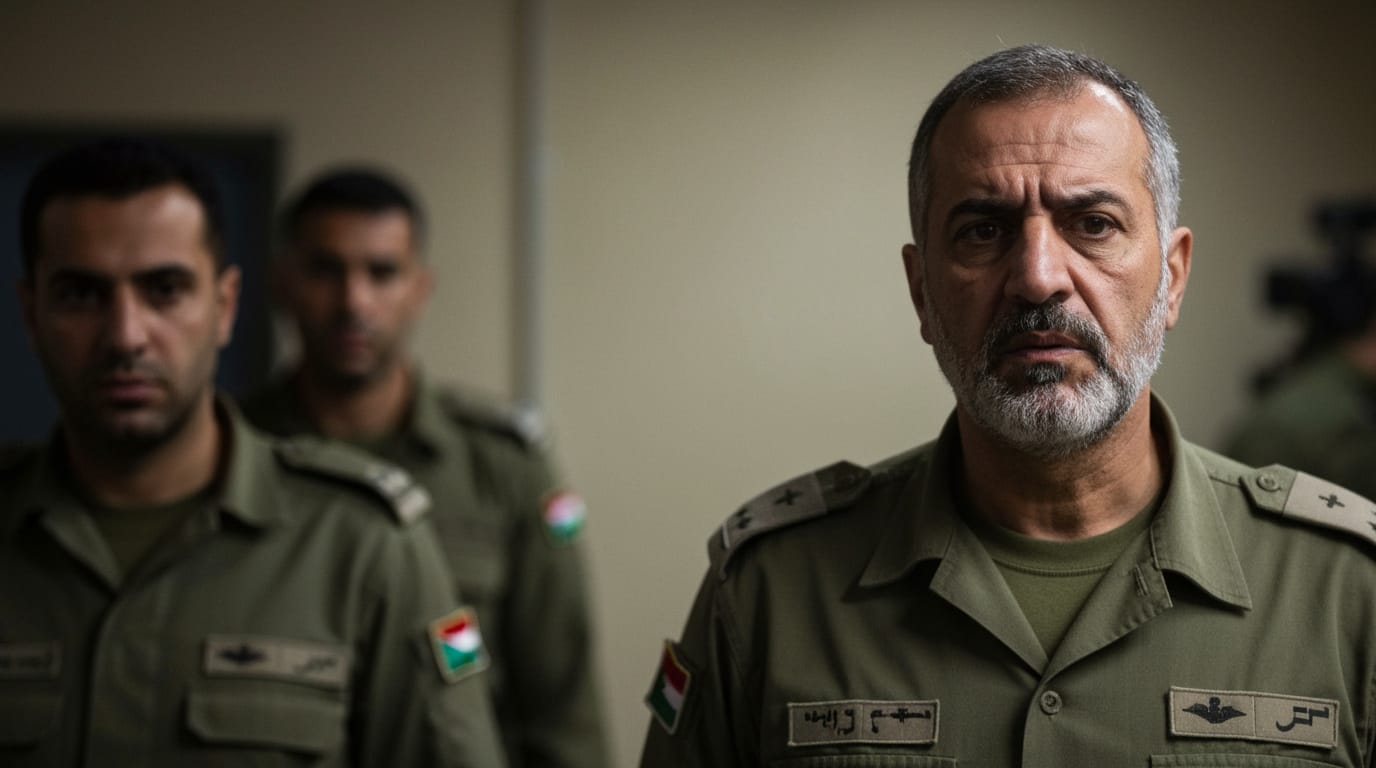
GAZA CITY – Israel announced Wednesday it had killed Mohammed Odeh, identified as the newly appointed head of Hamas's armed wing, the Ezzedine al-Qassam Brigades, in a targeted airstrike in the Gaza Strip. The operation, which reportedly took place Tuesday, May 26, marks the second time in less than two weeks that Israel has claimed to eliminate the leader of the militant group's military command, significantly intensifying its campaign against Hamas leadership amidst an ongoing, albeit fragile, ceasefire in the region.
The strike and subsequent announcement come as the conflict in Gaza continues, with Israel asserting its commitment to dismantle Hamas following the October 7, 2023, attacks. The rapid succession of alleged leadership decapitations raises critical questions about Hamas's command structure, its resilience, and the broader implications for the future trajectory of the protracted conflict.
Precision Strike Targets Residential Building in Gaza City
According to statements from Israeli Defense Minister Israel Katz and Prime Minister Benjamin Netanyahu, Mohammed Odeh was killed in a joint operation conducted by the Israel Defense Forces (IDF) and the Shin Bet domestic security agency. The strike reportedly targeted a residential building in the Rimal neighborhood of Gaza City where Odeh was believed to be hiding. Israeli officials lauded the operation as a "brilliant execution," emphasizing their sustained intelligence efforts.
Israel's joint statement asserted that Odeh had served as the head of Hamas intelligence during the October 7, 2023, attacks and was appointed to lead the al-Qassam Brigades approximately one week prior to his death. They accused him of being responsible for the "murder, abduction and injury of numerous Israeli civilians and IDF soldiers." Defense Minister Katz reiterated Israel's pledge to eliminate all individuals involved in the October 7 attacks, stating, "They are all marked for death, wherever they may be." Rescue teams and witnesses on the ground in Gaza reported that at least three Palestinians were killed and dozens more injured in the Tuesday strike, which hit the upper floors of the al-Kayali building in a busy market area.
Hamas Silence Amidst Family Confirmation
As of Wednesday, Hamas had not issued an official statement confirming Odeh's death or his alleged appointment as the head of its armed wing. However, a relative of Odeh reportedly confirmed his death to Reuters, stating that his funeral would take place after noon prayers in Gaza City. A statement from Odeh's family indicated he was killed along with his wife and son in the strike. Sources close to Hamas, while not officially confirming his appointment, acknowledged that Odeh was viewed as a potential successor to the previous chief and was believed to be among the last remaining members of the armed wing's higher leadership council.
The lack of immediate official confirmation from Hamas is not unprecedented, as the group often maintains silence regarding leadership changes or casualties, particularly in the immediate aftermath of such events. This deliberate ambiguity can serve tactical purposes, including maintaining morale and operational security within its ranks. Health officials in the Hamas-run Gaza Strip reported six deaths, including at least one woman, and over 20 wounded in the Israeli strike that destroyed part of an apartment building in the Rimal neighborhood.
A Pattern of Targeted Leadership Strikes
The alleged killing of Mohammed Odeh comes less than two weeks after Israel announced the elimination of Ezzedine al-Haddad, whom it had identified as the previous head of the al-Qassam Brigades. Haddad was reportedly killed in an Israeli airstrike on May 15. Israeli statements described Haddad as having helped plan the October 7 attacks and being involved in holding Israeli hostages. This rapid succession of alleged leadership losses underscores Israel's intensified focus on dismantling Hamas's command and control capabilities.
Mohammed Odeh himself was a significant figure within Hamas's intelligence apparatus for years, responsible for planning and coordinating terrorist infiltrations and attacks. Israeli military sources claimed Odeh was instrumental in intelligence gathering concerning IDF bases and military vulnerabilities leading up to October 7. His elimination, following that of Haddad, marks him as the fourth senior Hamas military leader Israel has claimed to have killed during the current conflict, alongside Yahya Sinwar and Mohammed Sinwar. Previous high-profile targets include Yahya Sinwar, widely regarded as the mastermind of the October 7 attack, and former political chief Ismail Haniyeh, both of whom Israel has claimed to have killed in separate operations in October 2024 and July 2024, respectively. The repeated targeting of senior military and political figures reflects Israel's stated objective to permanently degrade Hamas's ability to govern and wage war.
Implications for Gaza and Regional Stability
The elimination of Mohammed Odeh, if confirmed by Hamas, represents another significant blow to the group's military command structure. Israel's consistent targeting of high-ranking officials aims to disrupt Hamas's operational capabilities, deter future attacks, and potentially force a recalculation within the organization. Defense Minister Katz's statements also touched upon broader Israeli objectives, including advancing a plan for "voluntary migration" from Gaza and ensuring Hamas's complete removal from power, indicating a long-term strategic vision beyond immediate military engagements.
However, the impact of such leadership losses on Hamas's overall resilience and its capacity to continue fighting remains a complex question. Historically, militant organizations have often demonstrated an ability to adapt and replace fallen leaders. The group's leadership council and organizational structure are designed with succession in mind, potentially allowing for the relatively quick promotion of new commanders. Furthermore, the strikes in Gaza continue to inflict civilian casualties, which critics argue could fuel resentment and recruitment for militant groups.
The current environment remains highly volatile, with ongoing military pressure in Gaza and expanded Israeli operations in Lebanon, highlighting a broader regional escalation. While Israel views these targeted killings as crucial steps towards achieving its security objectives, the path forward for a stable and lasting peace in the Middle East remains uncertain, as the human cost of the conflict continues to mount.


