Israel Orders Mass Evacuation of Rafah, Raising Humanitarian Concerns
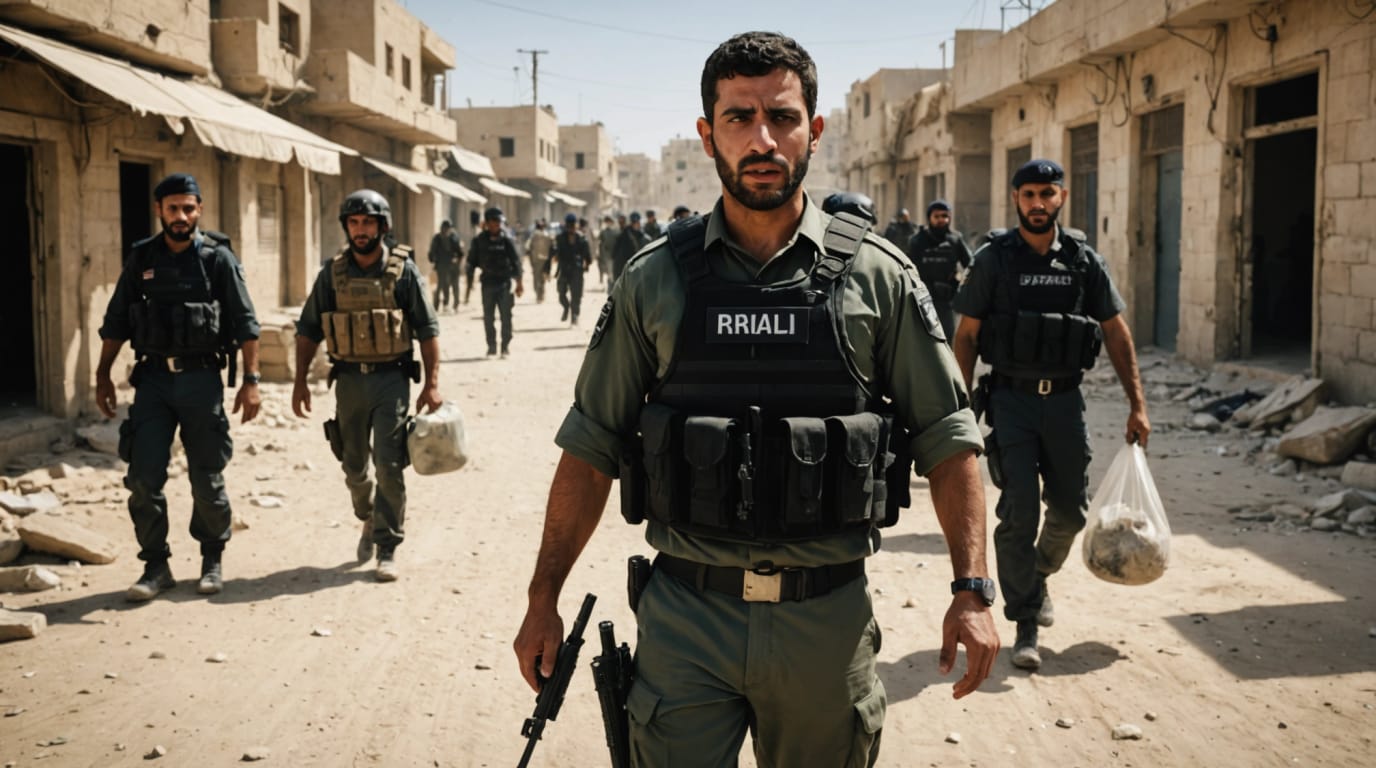
Rafah, Gaza Strip – The Israeli military has issued sweeping evacuation orders for the majority of Rafah, a city in the southern Gaza Strip, prompting widespread alarm among international organizations and aid agencies. The order, which comes amid escalating hostilities, affects hundreds of thousands of Palestinians, many of whom have already been displaced multiple times during the ongoing conflict. The move has raised serious concerns about a further humanitarian crisis in an area already grappling with dwindling resources and dire living conditions.
Evacuation Orders and Displacement
The recent evacuation orders mark a significant expansion of previous directives, now encompassing most of Rafah. The Israeli Defense Forces (IDF) have stated the evacuations are a necessary measure ahead of planned military operations targeting Hamas militants allegedly regrouping in the area. However, the timing and scope of the orders have drawn sharp criticism, with many questioning the feasibility and safety of relocating such a large population within the confines of the Gaza Strip.
Rafah, prior to the recent conflict, was home to approximately 280,000 people. Since October 2023, it has become the last refuge for more than one million Palestinians displaced from other parts of Gaza due to Israeli offensives. The city's population has swelled to over five times its original size, straining infrastructure and resources to their breaking point. The United Nations estimates that around 1 million people have evacuated Rafah in the past three weeks.
Humanitarian Crisis Deepens
The mass evacuation is exacerbating an already dire humanitarian situation. According to the International Committee of the Red Cross (ICRC), hundreds of civilians have been killed in Gaza in the past week, with many remaining buried under rubble. New evacuation orders and intense hostilities are causing people to flee without a clear sense of safe areas, and many have nowhere else to go. Many have been forced to leave behind their tents and belongings. Dwindling supplies of food and safe water are further compounding the crisis.
The United Nations Relief and Works Agency for Palestine Refugees in the Near East (UNRWA) has warned of devastating consequences for the 1.4 million people sheltering in Rafah. The agency has stated it will maintain its presence in Rafah as long as possible to continue providing lifesaving aid. However, aid agencies are struggling to cope with the sheer scale of the displacement and the limited resources available.
Impact on Aid Operations
Rafah has served as a critical entry point for humanitarian aid into Gaza, with the Rafah crossing bordering Egypt being a vital lifeline. However, the Israeli military has seized control of the Gaza side of the Rafah crossing, forcing it to shut down. This closure has severely hampered the delivery of essential supplies, including food, medical equipment, and fuel, further jeopardizing the lives of vulnerable civilians.
The ability of humanitarian organizations to respond to the crisis is also being undermined by the evacuation orders. Project HOPE, for example, has been forced to temporarily close some of its medical points in eastern Rafah as staff evacuate. The disruption to humanitarian activities, at a time when famine is imminent, could have incalculable repercussions.
International Response
The Israeli evacuation orders have triggered widespread condemnation from the international community. The European Union's foreign policy chief, Josep Borrell, stated that the orders "portend the worst: more war and famine," and called on Israel to renounce a ground offensive.
The United States, a close ally of Israel, has also expressed concerns about the potential humanitarian consequences of a full-scale military operation in Rafah. President Joe Biden has stated that the United States will not provide offensive weapons to Israel due to its Rafah offensive.
Several organizations have voiced their concerns. Save the Children warned that time has run out to protect children in Rafah before the expected assault, and that an incursion would not only risk the lives of more than 600,000 children but would also severely affect the humanitarian aid response for Gaza. Oxfam has stated that it is horrified by Israel's order to evacuate around 100,000 people and what appears to be an impending invasion of Rafah, despite a universal plea from world leaders urging it to stop its continued, barbaric, onslaught.
Concerns for the Future
As the Israeli military prepares to expand its operations in Rafah, the future of the displaced population remains uncertain. The designated "humanitarian zone" in Al-Mawasi, a small coastal area, is already overcrowded and lacks the basic infrastructure to accommodate a further influx of people. Aid agencies have warned that there is no space left in Al-Mawasi for new arrivals, forcing people to stay in the open air.
The United Nations Human Rights Office has expressed deep concerns about the shrinking space for civilians in Gaza who are being forcibly displaced by the Israeli army from large swaths of territory. They state that Israel is not taking any measures to provide accommodation for the evacuated population, nor ensure that these evacuations are conducted in satisfactory conditions of hygiene, health, safety and nutrition.
A Looming Catastrophe
The mass evacuation of Rafah is a stark reminder of the devastating human cost of the ongoing conflict in Gaza. With each new wave of displacement, the humanitarian situation deteriorates further, pushing the population closer to the brink of collapse. The international community must act decisively to ensure the protection of civilians, the delivery of essential aid, and a lasting resolution to the conflict. Without immediate action, the situation in Rafah threatens to spiral into an even greater catastrophe.


