"Not Good Enough Yet": Trump's Stance on Iran Deal Deepens Regional Crisis
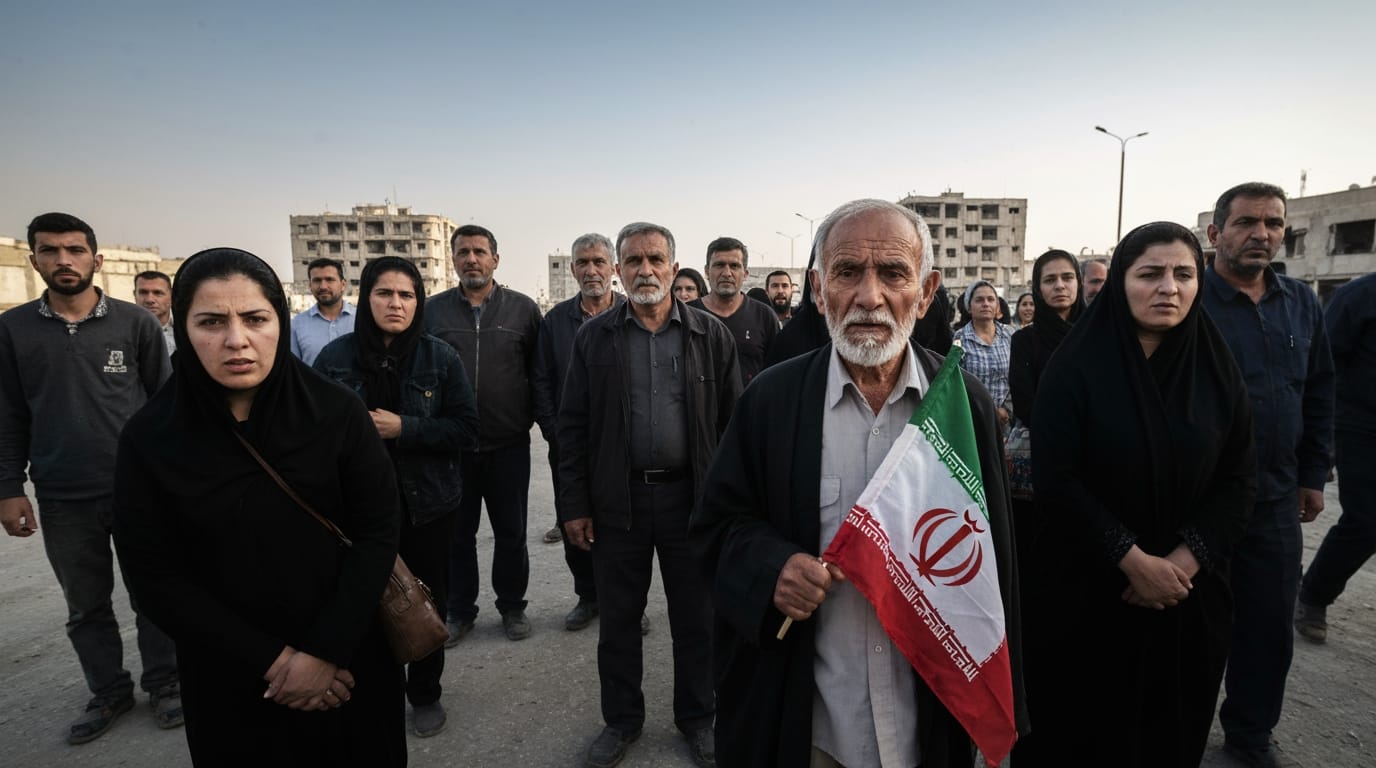
President Donald Trump has declared that proposed peace deal terms with Iran are "not good enough yet," signaling a continued hardline approach amidst an escalating military conflict in the Middle East. His statements, made during a weekend interview with NBC News and on Truth Social, underscore the profound challenges to de-escalation, even as Tehran reportedly expresses a willingness to negotiate an end to the ongoing hostilities. The declaration comes as the region grapples with the fallout from a joint U.S.-Israeli military operation against Iran, which commenced in late February 2026.
Escalation Amidst Entrenched Positions
On Saturday, March 14, 2026, President Trump unequivocally stated his dissatisfaction with the current trajectory of potential peace negotiations. Speaking to NBC News, he acknowledged Iran's apparent desire for a deal but asserted, "the terms aren't good enough yet." This sentiment was echoed in a Truth Social post where the President claimed Iran is "totally defeated and wants a deal – But not a deal that I would accept!" These remarks are particularly salient given the current state of conflict, officially designated "Operation Epic Fury," which saw the United States and Israel launch joint military strikes against Iranian targets on February 28, 2026.
Among the significant targets of these strikes was Kharg Island, Iran's vital oil export hub. President Trump boasted that U.S. strikes had "totally demolished" most of the island and controversially suggested the U.S. "may hit it a few more times just for fun." The severity of the conflict has been highlighted by casualties, including the deaths of thirteen active U.S. service members, with six crew members perishing in an aircraft crash in Iraq on Friday. The President's unyielding stance, therefore, sets a high bar for any diplomatic resolution, prolonging a conflict that has already destabilized global energy markets and inflicted severe humanitarian costs.
The Path to Conflict: Failed Diplomacy and Military Action
The current military engagement follows a period of intense, yet ultimately unsuccessful, diplomatic efforts between the United States and Iran. Negotiations, which began in April 2025 after a letter from President Trump to then-Supreme Leader Ali Khamenei, aimed at securing a nuclear peace agreement. Despite initial reports of "substantial progress" in talks mediated by Oman in late February 2026, President Trump expressed dissatisfaction with the pace and nature of negotiations. The failure to reach an agreement within Trump's self-imposed deadlines, alongside ongoing disagreements regarding Iran's uranium enrichment and the transfer of its stockpile, contributed to the collapse of diplomacy.
Historically, President Trump has been a vocal critic of prior agreements with Iran. During his first term, he withdrew the United States from the 2015 Joint Comprehensive Plan of Action (JCPOA) in 2018, a move he described as dismantling a "horrible, horrible, dangerous document." He argued that the deal effectively granted Iran the "right to have top-of-the-line nuclear weapons," a claim disputed by experts who noted the agreement's basis in the Nuclear Non-Proliferation Treaty. Following the withdrawal, the Trump administration implemented a "maximum pressure" campaign of sanctions, which significantly impacted Iran's economy. This established a precedent of demanding more stringent terms than those previously accepted, a position that informs his current "not good enough yet" pronouncement. The U.S. military buildup in the Middle East, a continuous process since 2025, underscored the growing threat of war, culminating in "Operation Epic Fury" as a response to perceived Iranian nuclear threats and regional destabilization.
Defining "Good Enough": Trump's Demands and Iran's Reluctance
The specifics of what would constitute "good enough" terms for President Trump remain largely undisclosed. When pressed for details, the President declined to elaborate, stating, "I don't want to say that to you." However, he has consistently linked a resolution to Iran's nuclear program, indicating that a "commitment from Iran to completely abandon any nuclear ambitions" would likely be a critical component of any agreement. This echoes his earlier demands that Iran utter "those secret words: We will never have a nuclear weapon." The U.S. position has also historically emphasized securing enriched uranium, a point raised in proposals from other nations like Russia, which Trump has reportedly rejected.
From Iran's perspective, while there are indications of a desire for a deal, the path to a mutually acceptable resolution is fraught with mistrust. Iranian Foreign Minister Abbas Araghchi has previously articulated a "very bitter experience" with past U.S. negotiations, suggesting that direct talks with Americans might no longer be on Tehran's agenda. Iran has also rejected calls for a ceasefire unless U.S. and Israeli strikes cease entirely. Furthermore, proposals such as transferring enriched uranium abroad have been rejected by Iran, which instead proposed diluting the material within its own facilities under international supervision. This fundamental divergence on core issues, particularly nuclear capabilities and regional security, highlights the deep chasm that current diplomatic efforts attempt to bridge amidst active military conflict.
Regional Fallout and Global Repercussions
The ongoing U.S.-Israeli war with Iran has triggered a cascade of regional and global repercussions. The conflict has severely disrupted shipping through the critical Strait of Hormuz, causing global oil prices to surge above $100 per barrel. In response to Iranian retaliatory strikes across the Gulf, the U.S. has called for international cooperation to secure the strategic waterway. This represents a notable shift from the U.S.'s initial unilateral approach in "Operation Epic Fury," acknowledging the broader impact on global energy supplies and trade.
Beyond economic strain, the humanitarian situation in Iran has deteriorated significantly. Decades of U.S.-led sanctions, intensified by the "maximum pressure" campaign and the current conflict, have devastated Iran's economy. The Iranian rial has lost most of its value, with inflation exceeding 60% and food prices rising over 70% year-on-year by the end of 2025. Military actions have also resulted in widespread damage, with reports of nearly 43,000 civilian units, including residential areas and cultural sites, suffering structural damage. Iran's retaliatory strikes have targeted U.S. military bases and allied facilities across the Gulf, impacting countries like Qatar, the UAE, Kuwait, Bahrain, Jordan, Saudi Arabia, Iraq, and Oman, further exacerbating regional instability. This intricate web of military action and economic pressure creates a complex environment where the prospects for a lasting peace remain elusive.
An Uncertain Path Forward
President Trump's insistence that current peace deal terms with Iran are "not good enough yet" casts a long shadow over efforts to resolve the escalating conflict. The ongoing "US-Israeli war on Iran," initiated by "Operation Epic Fury," has created a dangerous and volatile environment characterized by military strikes, economic devastation, and regional instability. While Iran has expressed a desire for a deal, the deep-seated mistrust stemming from past negotiations and President Trump's unwavering demands concerning its nuclear program present formidable obstacles. The global community watches as the conflict continues to unfold, with the U.S. seeking international assistance for maritime security and the humanitarian toll on Iran mounting. The path to any resolution remains highly uncertain, dependent on a significant shift in positions from either Washington or Tehran, or a compelling new diplomatic initiative capable of bridging the substantial divides that currently fuel the regional crisis.


