Israel Poised to Enact Controversial Death Penalty Bill Amidst International Outcry
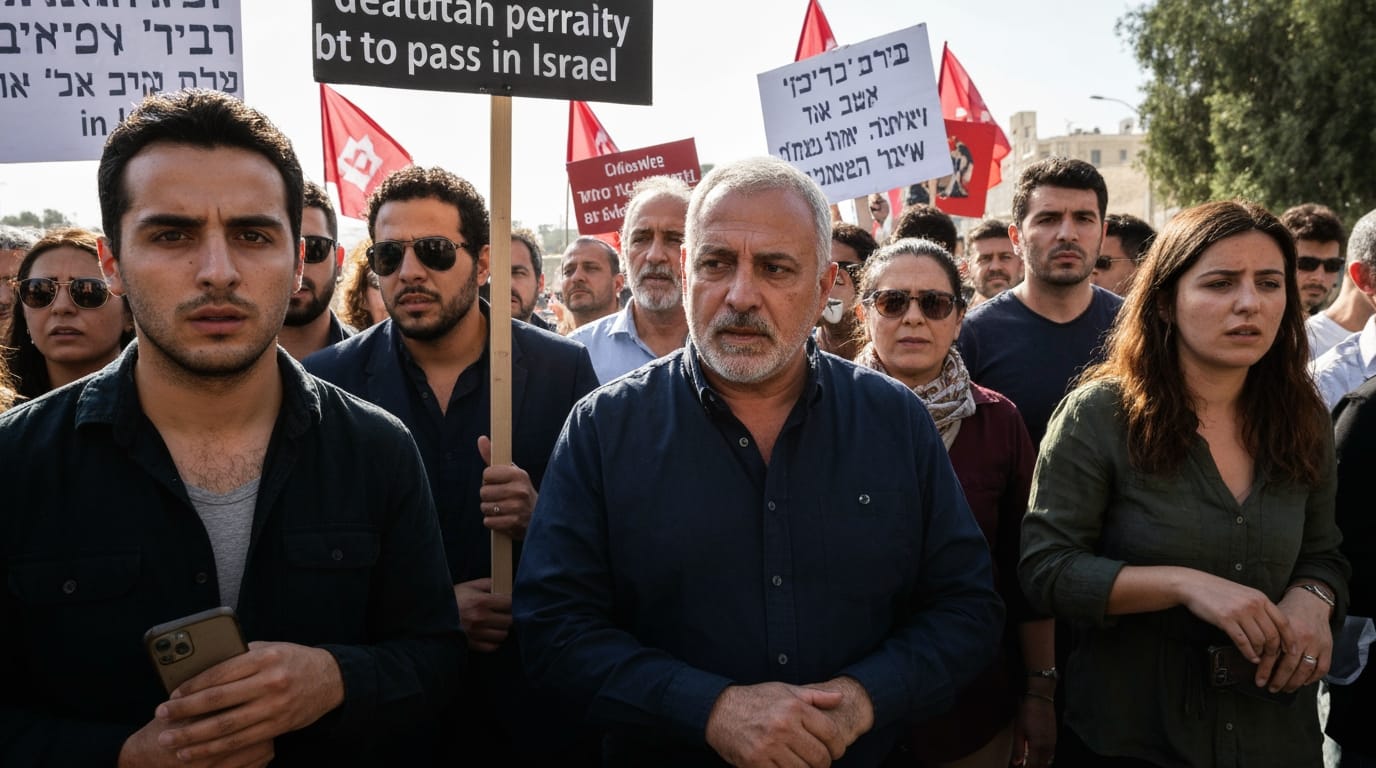
JERUSALEM – Israel's Knesset is on the verge of passing a highly contentious bill that would significantly expand the application of the death penalty, particularly targeting Palestinians convicted of terrorism. The legislation, championed by far-right factions within the governing coalition, has advanced through parliamentary committees and is slated for final votes, raising alarms among human rights organizations, legal experts, and international bodies who warn of its discriminatory nature and profound implications for justice and human rights.
The Proposed Legislation: A Fundamental Shift in Penal Policy
The controversial bill, initiated by the far-right Otzma Yehudit party led by National Security Minister Itamar Ben-Gvir, represents a radical departure from Israel's long-standing, de facto moratorium on capital punishment. The legislation would mandate the death penalty for individuals convicted of intentionally killing a person as part of an act of terrorism, primarily aimed at Palestinians accused of murdering Israelis.
Under the proposed law, courts would be empowered to impose the death penalty without requiring a request from prosecutors. A significant procedural change would also allow for a death sentence to be handed down by a simple majority decision of judges, rather than the previous requirement for unanimity. Furthermore, military courts operating in the occupied West Bank, which primarily have jurisdiction over Palestinians, would be authorized to issue such sentences. If enacted, executions would be carried out within 90 days of sentencing, with no possibility of pardon or appeal in certain cases, and condemned prisoners would face isolation with restricted visitation rights. While early drafts of the bill suggested lethal injection, the final outline specifies execution by hanging, to be carried out by the Israel Prison Service. Critics argue that the bill is designed with a discriminatory application, primarily targeting nationalist violence perpetrated by Palestinians against Jews, while potentially shielding Jewish citizens accused of killing Palestinians from similar penalties.
Proponents Argue for Deterrence and Justice
Supporters of the bill, including its chief architect, Minister Itamar Ben-Gvir, hail it as a necessary measure for achieving justice and enhancing national security. They contend that a mandatory death sentence would serve as a powerful deterrent against future terrorist attacks, sending an unequivocal message that such acts will be met with the ultimate penalty. A core argument from proponents is the desire to prevent future prisoner exchange deals, where convicted individuals might be released in exchange for Israeli captives. By ensuring that those responsible for severe attacks face execution, proponents believe the cycle of violence and subsequent prisoner swaps could be broken. Some also emphasize that individuals who commit such heinous acts cannot be rehabilitated and, if given the opportunity, would pose a continued threat. Minister Ben-Gvir has characterized the bill's advancement as a "historic moment of justice for the State of Israel," asserting that those who murder Jews simply because of their identity deserve only one sentence: death.
Widespread Condemnation from Domestic and International Critics
The bill has ignited a storm of opposition from a broad coalition of human rights groups, legal scholars, and international bodies, who decry it as a violation of fundamental human rights and a discriminatory piece of legislation. UN experts have urged Israel to withdraw the bill, citing concerns that it would infringe upon the right to life and disproportionately affect Palestinians in the occupied Palestinian territory. The European Union's diplomatic service, along with the foreign ministers of the United Kingdom, Germany, France, and Italy, have expressed "deep concern," warning that the bill represents a "grave step backward" and risks undermining Israel's commitments to democratic principles. The Council of Europe has also appealed directly to Israel's leadership, emphasizing its global opposition to the death penalty.
Critics inside Israel, including members of the opposition, have labeled the bill as "immoral, un-Jewish, undemocratic, and ineffective from a security standpoint." Organizations such as Amnesty International and the Association for Civil Rights in Israel (ACRI) argue that capital punishment contradicts the sanctity of life and human dignity, and that studies worldwide have found no evidence of its effectiveness as a deterrent, especially for ideologically motivated acts of terrorism. Legal experts highlight concerns that the judicial system is prone to error, and the irreversible nature of the death penalty carries an unacceptable risk of executing an innocent person. Furthermore, concerns have been raised that the bill could expose Israeli officials and military personnel to legal action abroad, particularly given that military trials for civilians in the occupied territories often do not meet international fair trial standards. Some opponents have gone as far as to describe the legislation as a tool within an "institutionalized system of apartheid" against Palestinians.
A Departure from Historical Precedent
Historically, capital punishment remains a legal penalty in Israel but has been applied with extreme rarity. The death penalty for ordinary murder was abolished in 1954, with its retention reserved for specific offenses such as treason, genocide, crimes against humanity, and crimes against the Jewish people. The State of Israel has only carried out one execution in its history: that of Nazi war criminal Adolf Eichmann in 1962, for his role in the Holocaust. Although military courts have possessed the authority to impose the death penalty in the occupied territories since 1967, it has never been carried out. This long-standing de facto moratorium has led many to consider Israel a de facto abolitionist state. The current bill, therefore, signifies a significant policy shift that moves away from this established practice, prompting questions about its long-term impact on Israel's legal landscape and international standing.
Conclusion: A Nation Divided on Justice and Security
As the death penalty bill heads for its final readings in the Knesset, Israel stands at a critical juncture, navigating the complex interplay between national security concerns, the pursuit of justice for victims, and its international human rights obligations. The legislation underscores deep divisions within Israeli society and has drawn sharp lines between those who view it as a crucial deterrent and a rightful response to terrorism, and those who see it as a morally questionable and legally perilous step backward. The decision facing Israeli lawmakers in the coming days carries immense weight, with the potential to reshape the country's penal system, impact its relations on the global stage, and ignite further debate on the fundamental principles of justice and human dignity in the context of ongoing conflict.


