Jailed Nobel Laureate Narges Mohammadi Hospitalized Amid Worsening Health Crisis in Iran
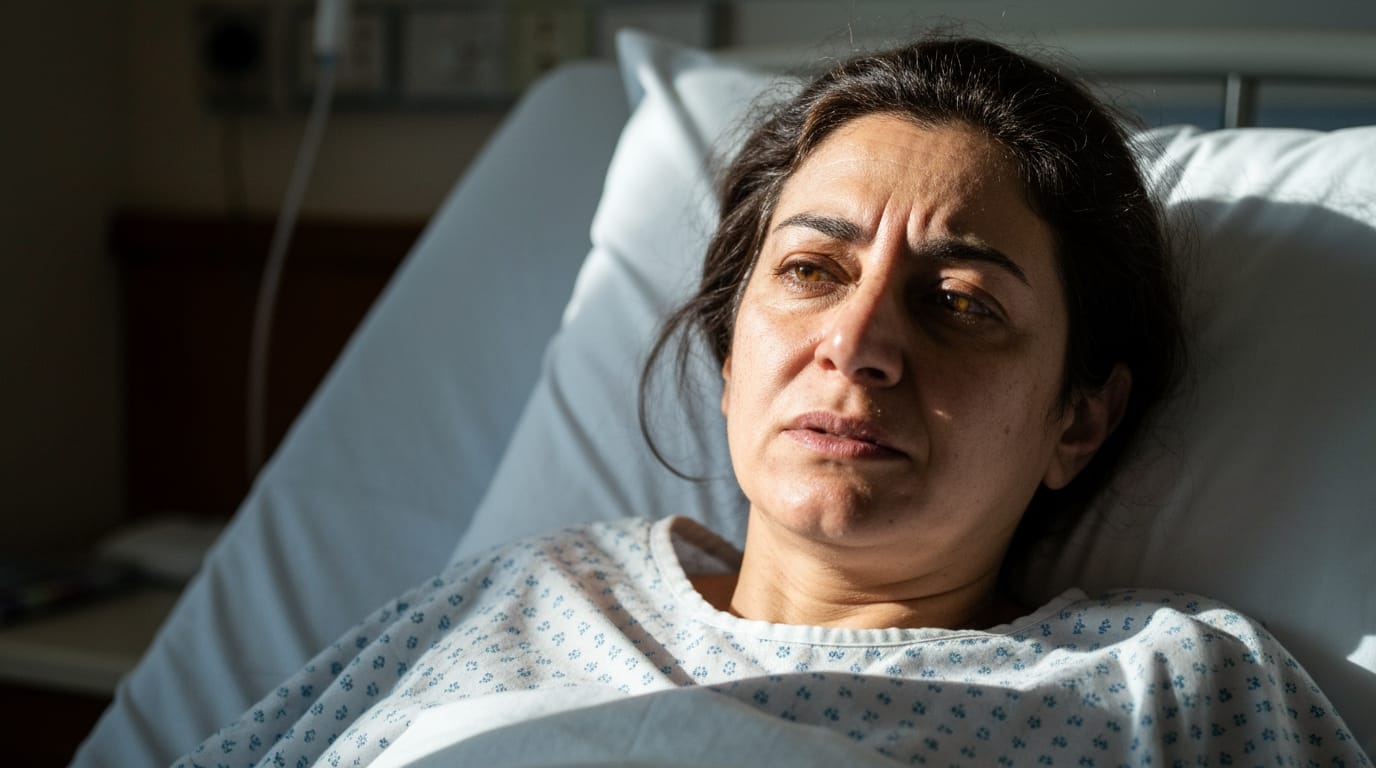
Narges Mohammadi, the Iranian human rights activist and 2023 Nobel Peace Prize laureate, has been urgently transferred from Zanjan Prison to a hospital in northwestern Iran following a severe deterioration of her health. The move comes after reports of a cardiac crisis and multiple fainting spells within the prison walls, prompting serious concerns from her foundation and international advocates about the systematic medical neglect she has allegedly faced during her incarceration. Mohammadi's family and legal team have highlighted a troubling pattern of health crises and inadequate medical attention, painting a stark picture of the challenges faced by political prisoners in Iran.
Crisis in Confinement: A Nobel Laureate's Urgent Transfer
The urgent hospitalization of Narges Mohammadi, which occurred on Friday, May 1, 2026, followed what her foundation described as a "catastrophic deterioration" of her health. Reports indicate that Mohammadi experienced two episodes of complete loss of consciousness and a severe cardiac crisis while in Zanjan Prison. Her lawyer, Mostafa Nili, further detailed that Mohammadi had been suffering from extreme blood pressure fluctuations, acute chest pain, and repeated episodes of severe distress in the days leading up to her transfer. She was admitted to a cardiac care unit, though her blood pressure reportedly continued to fluctuate severely.
Concerns about Mohammadi's health had mounted significantly in recent weeks. Her lawyers had visited her in late March, noting her pale and underweight appearance, and her need for assistance to walk. At that time, she was believed to have suffered a heart attack. The transfer to a hospital was ultimately deemed an "unavoidable necessity" by prison doctors, who concluded that her condition could no longer be managed within the prison facility. This medical urgency follows what her foundation has characterized as "140 days of systematic medical neglect" since her arrest in December. Initially, Mohammadi had expressed reluctance to be transferred to a local hospital, citing warnings from cardiologists that her complex history, including three angiographies and stent placement, necessitated treatment by her specialized medical team in Tehran. However, after fainting a second time, a neurologist ordered her immediate hospitalization, prioritizing her neurological state despite her serious cardiac issues.
A Life Dedicated to Rights: Mohammadi's Enduring Activism
Narges Mohammadi, born in 1972, is a prominent Iranian human rights activist and journalist whose tireless efforts against oppression have earned her international recognition, including the 2023 Nobel Peace Prize. The Nobel Committee cited her "fight against the oppression of women in Iran and her fight to promote human rights and freedom for all" as the motivation for the award. Her activism spans decades, during which she served as the vice president of the Defenders of Human Rights Center (DHRC), an organization co-founded by fellow Nobel laureate Shirin Ebadi.
Mohammadi has been a vocal proponent of mass feminist civil disobedience against the mandatory hijab in Iran and a critic of the 2023 hijab and chastity program. She has also campaigned vigorously against the death penalty and worked to expose abuse and solitary confinement within Iranian prisons. Her dedication to these causes has come at a significant personal cost. She has been arrested 13 times, convicted 5 times, and sentenced to a total of 31 years in prison and 154 lashes. Her most recent incarceration began after her arrest in December 2025, and she received an additional sentence of seven and a half years in prison on February 8, 2026. Even from behind bars, Mohammadi has continued her activism, including supporting the widespread protests that swept Iran following the death of Mahsa Amini in 2022.
A Pattern of Neglect: Recurring Health Crises Behind Bars
Mohammadi's current health crisis is not an isolated incident but rather part of a troubling pattern of medical issues exacerbated by her repeated imprisonments and alleged medical neglect. She has suffered from an epilepsy-like disease that causes periodic loss of muscle control, which developed during earlier periods of detention. Supporters also indicate that she experienced multiple heart attacks while imprisoned before undergoing emergency surgery in 2022. In November 2024, she underwent surgery to remove part of a bone in her right leg due to cancer fears, and was granted temporary leave for medical treatment in December 2024.
Human rights organizations frequently report that denial of adequate medical care is used as a form of punishment and intimidation against political prisoners in Iran. Mohammadi's family has consistently advocated for her transfer to appropriate medical facilities, expressing concerns about the "ongoing life-threatening mistreatment" she faces. Her arrest in December 2025, which led to her current imprisonment, also involved reports of her being subjected to blows from security forces, requiring her to be taken to the emergency room twice shortly after the incident. Despite a medical official in Zanjan recommending a one-month suspension of her sentence for treatment, the public prosecutor in Zanjan referred the matter to his counterpart in Tehran, delaying access to specialized care.
The Broader Landscape: Human Rights Under Scrutiny in Iran
Narges Mohammadi's situation underscores broader concerns about the human rights situation and prison conditions in Iran. Reports from human rights organizations detail harsh and frequently life-threatening conditions in Iranian prisons, including overcrowding, physical abuse, and the routine withholding of adequate medical care. Political prisoners are particularly vulnerable, often denied medical treatment for pre-existing conditions or illnesses that result from poor sanitary environments. Several facilities, including Evin Prison, where Mohammadi has been held previously, are frequently cited for their use of cruel and prolonged torture of political opponents.
The Iranian government has intensified its crackdown on dissent, with thousands arrested on national security-related charges. Many detainees reportedly face arbitrary arrests, are held in secret facilities, and are subjected to torture or other cruel, inhuman, and degrading treatment. The judiciary is central to these alleged violations, with judges often using coerced confessions to issue severe sentences. Amidst this backdrop, international bodies and human rights advocates continue to call for the immediate and unconditional release of Narges Mohammadi and other political prisoners, highlighting the critical need for adherence to international human rights standards and access to proper medical care.
Mohammadi's ongoing health crisis and her urgent hospitalization serve as a stark reminder of the immense personal sacrifices made by those who advocate for fundamental rights and freedoms in Iran. Her case continues to draw global attention to the plight of political prisoners and the persistent human rights challenges within the country's penal system. As she battles her severe health issues in hospital, the international community watches closely, emphasizing the urgent need for transparency, accountability, and the protection of basic human dignity.