Spirit Airlines Ceases Operations After Decades of Discount Travel, Bailout Efforts Fail
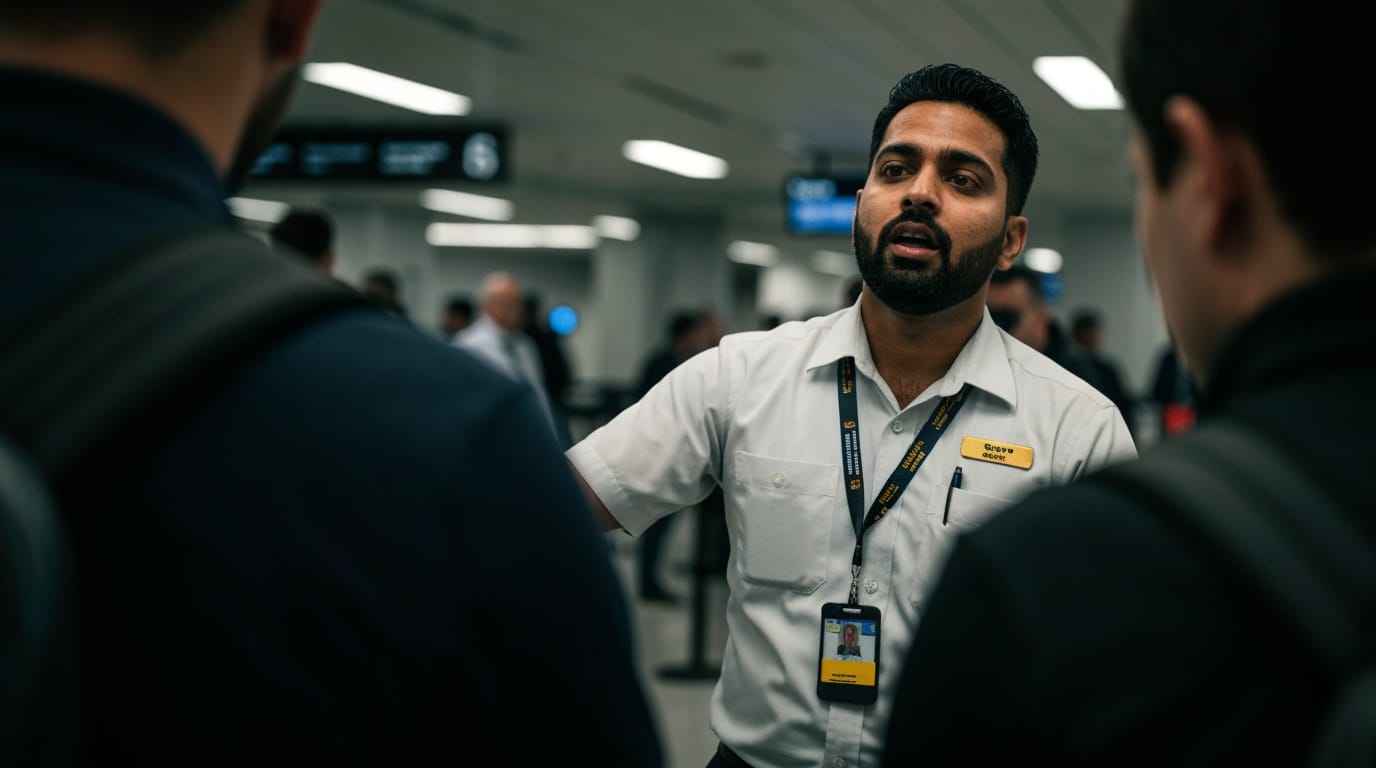
Fort Lauderdale, FL – Spirit Airlines, the pioneering ultra-low-cost carrier known for its distinctive yellow planes and budget-friendly fares, officially ceased all operations on Saturday, May 2, 2026, marking an abrupt end to 34 years of service. The sudden shutdown follows the collapse of a last-minute government bailout deal, leaving approximately 17,000 employees jobless and thousands of travelers with canceled flights. The airline, which had been navigating a tumultuous financial period marked by multiple bankruptcies and failed merger attempts, cited overwhelming cash shortages and surging operational costs, exacerbated by global geopolitical events, as insurmountable obstacles to its continued existence.
The Final Descent: A Deal Unravels
The decision to cease operations came after critical negotiations for a $500 million federal aid package with the Trump administration stalled and ultimately failed. President Donald Trump had indicated his administration was weighing a potential takeover or loan, stating on Friday that a "final proposal" was under consideration. However, disagreements within the administration and opposition from Spirit's bondholders, who reportedly balked at the terms, led to the deal's demise. As of 3:00 a.m. ET on May 2, Spirit Airlines began an "orderly wind-down" of its operations, canceling all flights and discontinuing customer service. This development marks the first major U.S. airline failure due, in part, to a doubling in jet fuel prices linked to the ongoing Iran war.
A History of Turbulence and Failed Lifelines
Spirit's demise was not a sudden event but rather the culmination of years of mounting financial pressure and an inability to adapt to a rapidly changing aviation landscape. The airline, which had been the seventh-largest passenger carrier in North America as of 2023, struggled significantly since the COVID-19 pandemic. It first filed for Chapter 11 bankruptcy protection in November 2024, emerging after a financial restructuring in March 2025. However, the reprieve was short-lived, as Spirit filed for Chapter 11 again in August 2025, citing dwindling cash reserves and persistent losses.
Efforts to secure a merger, which could have provided a critical lifeline, repeatedly failed. A proposed $3.8 billion merger with JetBlue Airways in 2022 was ultimately blocked by a federal judge in January 2024 on antitrust grounds, with the court ruling it would reduce competition and harm consumers. Prior to that, a merger agreement with Frontier Airlines also fell through. These failed attempts left Spirit without the financial resources and market scale it desperately needed to compete as a standalone carrier. By early 2026, the airline had attempted another restructuring plan to emerge from its second bankruptcy by late spring or early summer, aiming to reduce its debt from $7.4 billion to approximately $2.1 billion and shrink its fleet to focus on profitable routes. However, the drastic increase in jet fuel costs derailed these plans, making the restructuring unviable.
The Economic and Human Toll
The cessation of Spirit Airlines' operations carries significant repercussions for both the airline industry and the thousands of individuals directly affected. Approximately 17,000 Spirit employees, including pilots, flight attendants, and ground staff, are now facing unemployment. The airline had already announced plans to furlough a significant number of employees in the preceding months, with intentions to reduce its pilot and flight attendant workforce.
For travelers, the immediate impact is the cancellation of all Spirit flights. While it remains unclear how all affected passengers will be accommodated, other major carriers like United Airlines, American Airlines, Frontier Airlines, and JetBlue announced they were preparing to support Spirit customers in the wake of the shutdown. The departure of Spirit from the market is also expected to have broader implications for airfares. As a major ultra-low-cost carrier, Spirit was known for driving down prices, and its absence is likely to result in less competition and potentially higher ticket costs for consumers, particularly on routes where it was a dominant player.
The Broader Landscape: Challenges to the Ultra-Low-Cost Model
Spirit Airlines' collapse highlights the increasingly challenging environment for ultra-low-cost carriers in the post-pandemic era. While Spirit was once a pioneer in offering no-frills, highly competitive fares, larger legacy airlines have adopted similar "basic economy" strategies, eroding Spirit's distinct market advantage. The airline's business model relied heavily on high customer volume and razor-thin margins, making it particularly vulnerable to external shocks. The recent surge in jet fuel prices, driven by the conflict in Iran, proved to be the ultimate undoing, as fuel costs account for a substantial portion of an airline's operating expenses. Experts warned that Spirit's failure would further consolidate the airline industry, potentially leading to a more expensive travel landscape for consumers.
The winding down of Spirit Airlines concludes a turbulent chapter for the carrier, underscoring the fierce competition and financial volatility inherent in the aviation sector. Its exit leaves a significant void in the budget travel market and reshapes the competitive dynamics for the airlines that remain.


