Japan Confronts Rising Tide of 'Lonely Deaths' as Social Fabric Strains
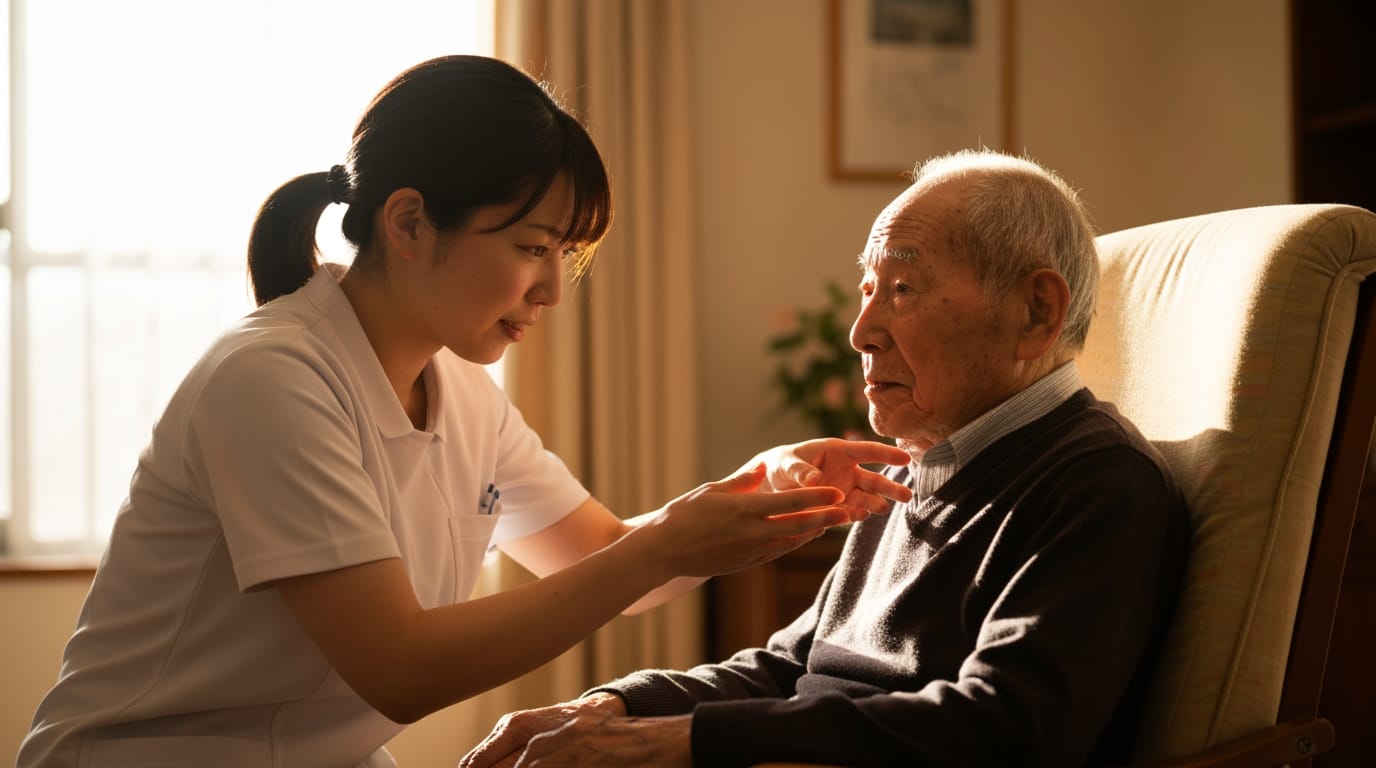
Japan is grappling with a profound and escalating social crisis: the phenomenon of kodokushi, or "lonely deaths," where individuals die in isolation and remain undiscovered for extended periods. This alarming trend, driven by a rapidly aging population, shifting social dynamics, and economic pressures, has prompted a nationwide effort to weave a stronger safety net for its most vulnerable citizens. The increasing number of these solitary deaths underscores deep cracks in the nation's social cohesion, demanding urgent and comprehensive interventions.
The Silent Epidemic of Kodokushi
The term kodokushi describes a person dying alone at home, often remaining unnoticed for days, weeks, or even months. While historically associated with older adults, the issue is increasingly affecting younger generations. In 2025, Japan recorded over 76,941 solitary deaths, with 76.6% occurring among individuals aged 65 and over, according to the National Police Agency. A disturbing proportion, nearly 30%, were discovered more than eight days after death, highlighting a critical breakdown in social connections. The first half of 2025 alone saw 40,913 people die alone in their homes, a significant increase from the previous year. Furthermore, research from the Tokyo Medical Examiner's Office indicates a worrying trend among younger age groups, with 742 people aged 10-39 in Tokyo dying alone between 2018 and 2020. Over 40% of these younger cases were not discovered for more than four days, indicating that social isolation is not solely an issue for the elderly.
Roots of Isolation: Demographics, Culture, and Economy
Several intertwined factors contribute to Japan's escalating kodokushi crisis. At its core is the nation's unparalleled demographic shift. Japan boasts the world's oldest population, with 29.1% of its citizens aged 65 or older. This demographic reality is compounded by declining birth rates and a significant increase in single-person households. By 2050, single-person households are projected to account for 44.3% of Japanese households, with 10.8 million seniors living alone, a 47% increase from 2020. This shift away from traditional multi-generational living arrangements, which constituted half of Japanese families in 1980 but shrank to 12.2% by 2015, leaves many seniors without immediate family support.
Cultural norms also play a critical role. The concept of "Meiwaku" — avoiding causing trouble for others — often prevents individuals, particularly the elderly, from seeking help or expressing their loneliness. This deeply ingrained social pressure for self-reliance can lead to self-imposed isolation. Furthermore, a decline in once-strong community bonds and traditional values that emphasized respect for the elderly has exacerbated feelings of isolation.
Economic pressures add another layer of vulnerability. Despite Japan's image of prosperity, nearly 20% of people aged 65 and over live below the poverty line, a figure well above the OECD average. Many seniors, often with basic pensions not exceeding 800 euros, struggle to cope in expensive urban centers. The economic slump since the 1990s has also forced many into early retirement, contributing to social isolation. This precarious financial situation can lead to extreme measures, such as the disturbing trend of "gray crime," where elderly individuals commit petty offenses, sometimes deliberately, to seek the structured environment, regular meals, and medical care offered in prison, viewing it as an escape from the prospect of a lonely death. Loneliness is also strongly linked to mental health issues, increasing the risk of depression and, in some cases, suicide.
Government and Community Responses
Recognizing the severity of the kodokushi crisis, both the Japanese government and local communities have initiated various measures to prevent social isolation and support vulnerable seniors. In 2023, the government established an expert group to study the phenomenon and propose policies, including awareness campaigns and the development of community support networks. The Japanese parliament enacted a law in 2023 to implement measures for supporting people experiencing social isolation and loneliness, with a task force led by the Prime Minister overseeing its implementation.
Local initiatives have emerged as vital lifelines. The Tokiwadaira residential complex near Tokyo, where over half of residents are over 64, serves as a model. Following a spate of lonely deaths, the community launched a "zero solitary death" campaign. This includes a hotline for concerned neighbors, volunteer patrols, and the introduction of "kizuna" ("social bond") call monitoring devices with motion sensors to detect unusual inactivity. Community centers, such as the Iki Iki Drop-in Centre, provide social spaces for seniors to connect over coffee and conversation. Adachi Ward in Tokyo launched the Zero Isolation Project, which identifies at-risk elderly residents and connects them with volunteer visitors and nursing care services.
Innovative programs are also gaining traction. The "Konnichiwa Program" involves volunteers regularly visiting isolated individuals to alleviate loneliness and foster community participation. The government funds "dementia cafés" as part of "The New Orange Plan" to promote connection and reduce loneliness among those with cognitive impairment. Intergenerational programs, such as shared housing projects where university students live with elderly individuals, are proving successful in building mutual support and combating isolation across age groups. The traditional Okinawan "moai" system, small, intimate friend groups that provide lifelong social support, is cited as an inspiring model for strengthening community relations through regular social events. Furthermore, technological solutions are being explored, including smart tracking of electricity and water usage to detect abnormal patterns that might signal a problem.
Challenges and Future Outlook
Despite these concerted efforts, the challenge of kodokushi remains formidable. The number of lonely deaths continues to rise, indicating that current measures, while laudable, are insufficient to fully stem the tide of social isolation. The sheer scale of demographic change, coupled with deeply ingrained cultural behaviors, requires sustained and adaptable strategies.
The path forward demands a multi-pronged approach that strengthens social safety nets, encourages intergenerational solidarity, and tackles the economic vulnerabilities faced by many seniors. This includes fostering community engagement through initiatives like "community sheds" that provide venues for activities and social interaction. There is also a recognized need to combat the stigma around discussing loneliness and mental health, making counseling and support more accessible. By promoting a society where asking for help is seen as strength, and where community ties are actively nurtured, Japan aims to build a future where every individual can age with dignity, connection, and companionship, rather than facing the prospect of a lonely end.
Conclusion
The rising prevalence of kodokushi in Japan serves as a stark reminder of the human cost of social isolation in an increasingly individualized and aging society. While demographic shifts have undeniably contributed to this crisis, the erosion of traditional community bonds, cultural reluctance to seek help, and economic precarity have deepened the problem. Through a combination of governmental policies, innovative local programs, and a renewed emphasis on community building and intergenerational connections, Japan is striving to turn the tide. The ultimate goal is to create a social environment where no one is left to face their final moments in solitude, fostering a more compassionate and connected society for all its citizens.


