Japan Faces Widespread Disruption as Two Tropical Storms Bear Down on Archipelago
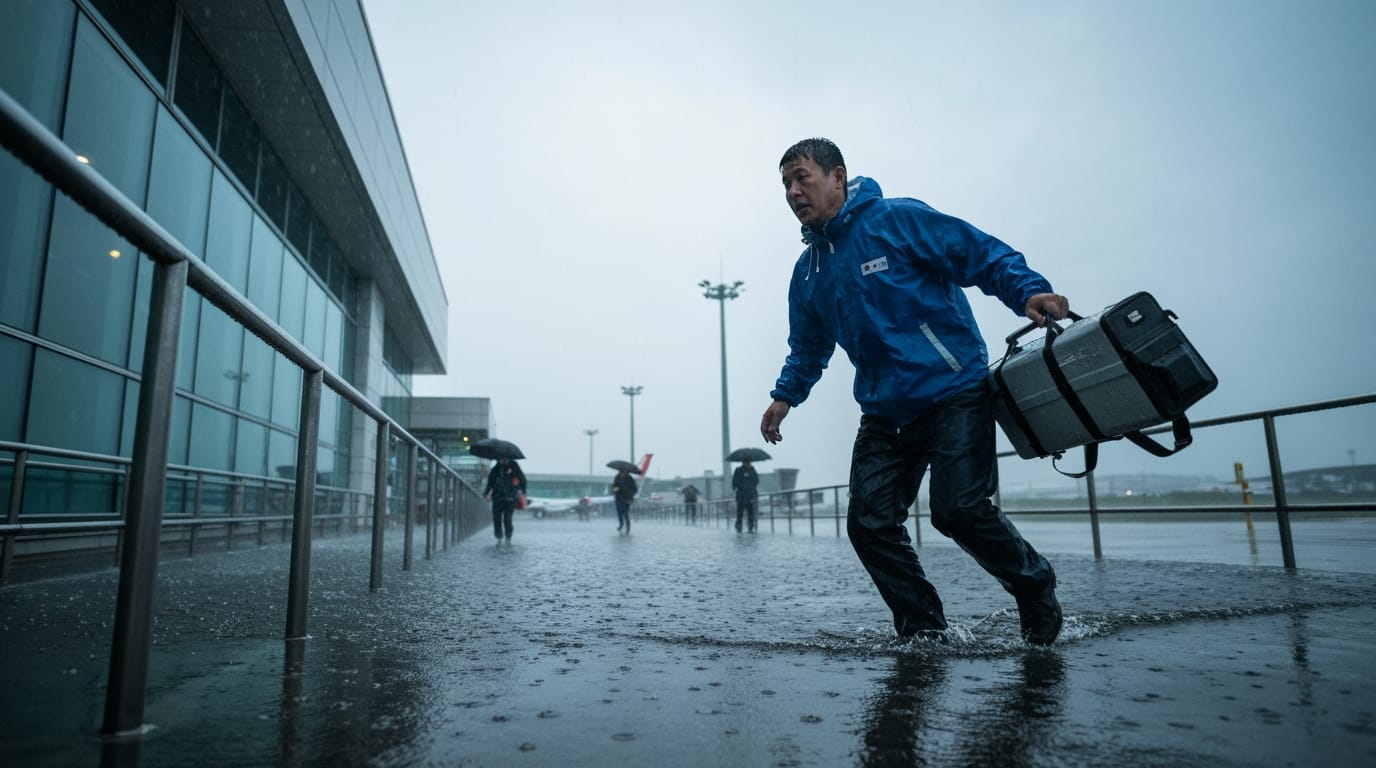
TOKYO, Japan – Japan is grappling with extensive transportation disruptions and an elevated risk of natural disaster as two tropical storms, Mekkhala and Higos, advance towards the archipelago. The dual weather systems have triggered over 200 flight cancellations, suspended numerous train services, and closed major expressways, severely impacting travel and daily life across the nation on Friday. Authorities have issued widespread warnings and evacuation advisories, particularly in southern and western regions, as the country braces for potential flooding, landslides, and unpredictable weather phenomena.
The convergence of these two storms presents a complex challenge for forecasters and emergency services. While Tropical Storm Mekkhala, recently downgraded from a typhoon, is already bringing heavy rains and strong winds to parts of southern and western Japan, Tropical Storm Higos trails further out in the Pacific, with both systems poised to interact. This potential interaction, known as the Fujiwhara effect, could complicate their trajectories and intensities, making accurate predictions more difficult as they approach the main islands over the weekend.
Aviation Sector Grounded Amidst Dual Threat
The most immediate and visible impact of the approaching storms has been on air travel. Japanese airlines, including major carriers Japan Airlines (JAL) and All Nippon Airways (ANA), cancelled a combined total of at least 120 flights to and from southern regions such as Okinawa and Kagoshima. The Land Ministry reported a national total of over 200 cancelled flights as the storms' effects spread, stranding thousands of travelers and disrupting meticulously planned itineraries. Airports in the affected regions have initiated contingency plans, advising passengers to check for real-time updates and make alternative arrangements. The cancellations highlight the aviation industry's vulnerability to severe weather, prompting significant logistical hurdles for both airlines and passengers.
Broader Transportation and Industrial Paralysis
Beyond the skies, the ground transportation network is also experiencing considerable strain. Dozens of train services have been suspended, and several expressways across Japan have been closed to ensure public safety, according to the land ministry. The closures are particularly impactful in areas expecting the brunt of Mekkhala’s heavy rainfall and wind gusts, which have been recorded at up to 144 kilometers per hour (89 miles per hour).
The industrial sector has not been immune to the disruptions. Major automakers, including Toyota and Nissan, have temporarily halted operations at their plants in the southern Kyushu region. These suspensions are primarily due to road closures making it impossible to transport components and finished products, underscoring the delicate nature of modern just-in-time supply chains when faced with extreme weather events. The economic ripple effects of these halts could be significant, even if operations resume quickly. Furthermore, even military exercises have been affected, with the planned maiden flight of a U.S. MV-22 Osprey transport aircraft to Miyako Island, part of joint exercises, cancelled due to the inclement weather.
Evacuations and Elevated Risk of Landslides and Flooding
As Tropical Storm Mekkhala sweeps past the southern Ryukyu Islands and skirts Taiwan – where it already triggered significant disruptions and evacuations affecting millions – Japanese authorities are intensifying their warnings. Evacuation advisories have been issued for thousands of residents in the Kyoto region, with officials cautioning about the imminent danger of landslides. Cities like Kyoto and Osaka have reported rising river levels, urging residents to remain vigilant against potential flooding. Overall, approximately 1 million people remain under evacuation orders, though some advisories in Okinawa and other southern areas have been lifted.
The Japan Meteorological Agency (JMA) attributes the severity of the rainfall not only to the tropical storms but also to a lingering seasonal rain front. This combination of warm, moist air from Mekkhala and Higos with the existing front is exacerbating conditions across large swathes of western Japan, significantly elevating the risk of landslides, flash floods, and overflowing rivers. The JMA has specifically warned that Mekkhala is expected to accelerate and approach western and eastern Japan by Saturday, with Higos anticipated to move closer to the eastern coast around the same time, potentially making landfall and further intensifying nationwide rainfall.
Preparing for an Uncertain Path
The dual threat from Tropical Storm Mekkhala and Tropical Storm Higos has placed Japan on high alert, with residents urged to finalize storm preparations. The Fujiwhara effect, where the two storms might orbit a common center, adds a layer of complexity to forecasting, meaning that their exact paths and impacts could shift. This unpredictable nature necessitates continuous monitoring and agile response from emergency services.
As the weekend approaches, the nation watches closely as these powerful weather systems continue their trajectory towards the Japanese coastline. The coordinated response of government agencies, local authorities, and residents will be crucial in mitigating the potentially severe consequences of these back-to-back tropical storms and ensuring the safety of communities across the affected regions. The current disruptions serve as a stark reminder of Japan's enduring vulnerability to the forces of nature and its robust, yet challenged, preparedness systems.


