Japan Grapples With Record Population Decline as Birth Rate Plummets
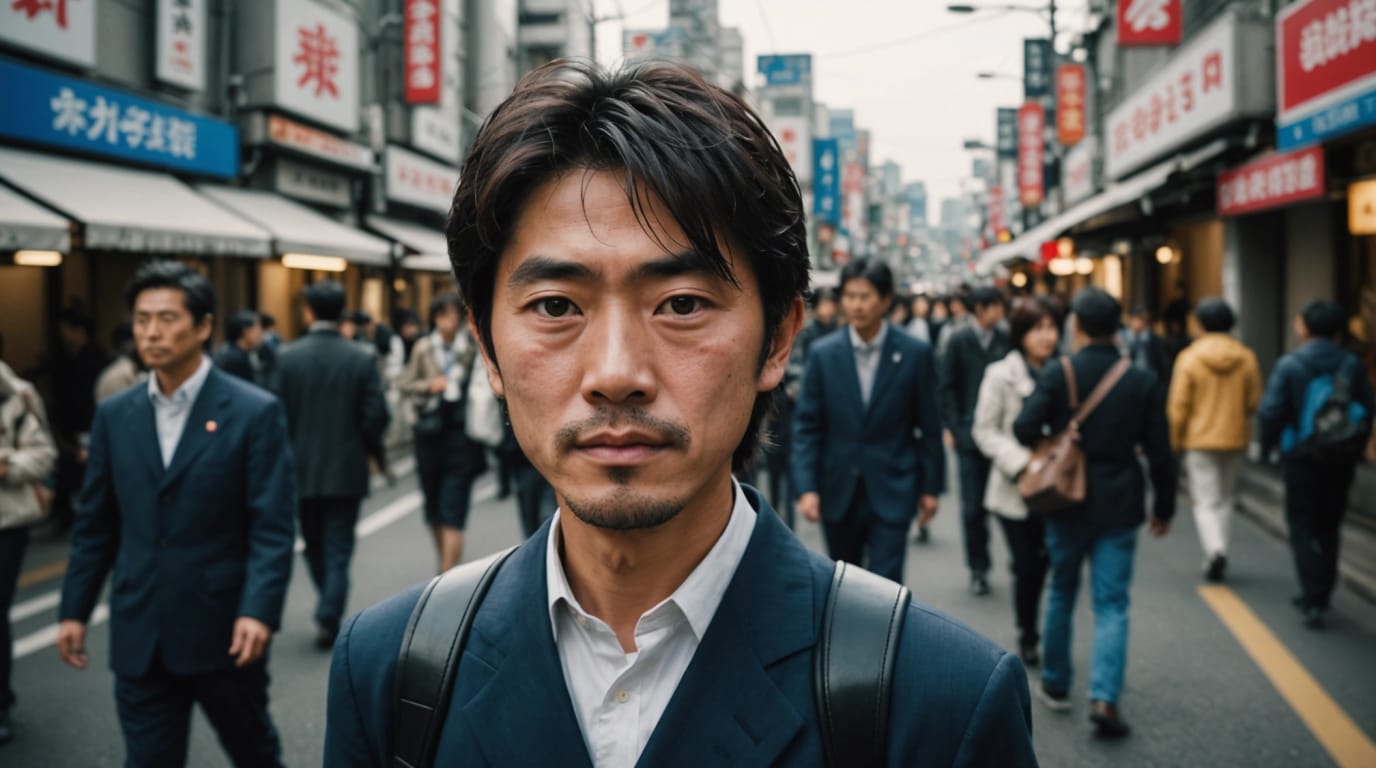
Japan's population is shrinking at an alarming rate, posing significant challenges to its economy, society, and future stability. The nation recorded its largest-ever population decline in 2024, exacerbating an already critical demographic crisis marked by a rapidly aging society and a persistently low birth rate. This decline raises concerns about labor shortages, strains on social security, and the long-term economic viability of the country.
Record Drop in Population
The Ministry of Internal Affairs and Communications reported that Japan's population fell by 898,000 in the year leading up to October 2024. This is the largest annual decrease since 1968, surpassing the previous record drop of 861,000 in July 2024. The total population, including foreign residents, stood at 120.3 million. This marks the 14th consecutive year of population decline for Japan, a trend that began after the population peaked in 2008. When excluding foreign residents, the Japanese population stood at 120.296 million, a decrease of 898,000 from a year earlier, the largest drop ever recorded.
Only Tokyo and the neighboring Saitama prefecture experienced population increases, while the remaining 45 prefectures saw their populations decline. Eighteen prefectures experienced a population decrease of over 1%, with Akita, Aomori, and Iwate experiencing the most significant drops.
Plummeting Birth Rate
The primary driver of Japan's population decline is its persistently low birth rate. In 2024, the number of babies born in Japan fell for the ninth consecutive year to a record low of 720,998, according to the Health and Welfare Ministry. This represents a 5% decrease compared to the previous year and the lowest number of births since record-keeping began in 1899. The total fertility rate, which indicates the average number of children a woman is expected to have in her lifetime, also hit a record low of 1.20 in 2023. This is far below the 2.1 children needed to maintain a stable population.
Several factors contribute to the low birth rate, including:
- Economic factors: The high cost of raising children, financial insecurity, and demanding work hours discourage young people from starting families. Many young people face economic insecurity due to a lack of regular employment, with about 40% of Japan's labor force in non-regular positions.
- Changing lifestyles: Late marriages, urbanization, and increased participation of women in the workforce have led to fewer people having children. The number of marriages per 1,000 people declined from 10 in 1970 to 4.1 in 2022.
- Cultural factors: Cultural norms, including a general aversion to having children outside of marriage, and trends toward marrying late or not at all, present major challenges to efforts to lift the number of births.
- Lack of support for working parents: Limited support for working parents and corporate cultures that are not compatible with having both parents working also contribute to the declining birth rate.
Aging Society
Coupled with the low birth rate, Japan has one of the world's oldest populations. The number of people aged 65 and older increased to 36.24 million, representing a record 29.3% of the total population. The number of people aged 75 and over rose to 20.777 million, accounting for around 17% of the total population. In contrast, those under 15 years old made up only 11.2% of the total population, marking the lowest figure ever.
This aging population places a significant strain on the country's social security system, as there are fewer workers to support the growing number of retirees. It also leads to increased healthcare costs and a shrinking workforce, which can hinder economic growth.
Government Measures and Challenges
The Japanese government recognizes the severity of the demographic crisis and has implemented various measures to address it. In June 2024, the parliament passed a law aimed at reversing the falling birthrate, including expanded child allowances and enhanced parental leave benefits. The government is also considering spending approximately 3 trillion yen (US$20 billion) each year for the next three years on plans to support young couples with financial assistance for raising children.
However, experts argue that these initiatives have been insufficient to reverse the trend. Critics cite high living costs, long working hours, and cultural factors that discourage young people from starting families as reasons for the ineffectiveness of government measures. An analysis of evidence-based policymaking reveals that even substantial interventions, such as increasing child allowances and other benefits, are projected to have only a marginal impact on fertility rates.
Economic and Societal Implications
Japan's declining and aging population has far-reaching economic and societal implications. A shrinking workforce can lead to labor shortages, reduced economic growth, and the closure of some services, especially in less desirable industries such as agriculture and construction. The decline in working-aged cohorts may lead to a shrinking economy if productivity does not increase faster than the rate of Japan's decreasing workforce.
The aging population also puts pressure on the social security system, as a smaller workforce means less income tax revenue, while public expenditure for healthcare, elderly care, and pensions rises. This can lead to increased taxes, reduced benefits, and a decline in the overall standard of living.
Furthermore, the demographic crisis can alter relations within and across generations, creating new government responsibilities and changing many aspects of Japanese social life. Local communities may become exhausted, and many municipalities could virtually disappear, leading to a loss of national wealth and a decline in Japan's international standing.
Immigration as a Potential Solution
One potential solution to Japan's demographic crisis is to increase immigration. Japan is increasing the number of young immigrants allowed into the country to bolster the workforce and reduce the nation's dependence on older people in the economy. In 2018, Japan passed new immigration legislation that intended to bring 345,000 foreign workers to Japan over five years.
However, Japan has prioritized immigrants based on their usefulness, focusing less on their integration and protection, leaving newcomers to face language, cultural, and social barriers alone. Improved support for immigrants entering Japan will be crucial for the country's efforts to attract more youth from abroad and alleviate labor shortages.
Looking Ahead
Japan's demographic crisis is a complex and multifaceted challenge that requires a comprehensive and sustained policy effort to address effectively. The government needs to implement more innovative and far-reaching solutions to encourage family formation, promote gender equality, and ensure the country's long-term sustainability.
While there is no easy fix, experts say that improving the outlook for the economy, jobs, and gender equality is key to encouraging young people to marry and have children. Without significant intervention, Japan could face severe labor shortages, a strained social security system, and a declining economy, threatening its future as a major global power.