Japan Prepares to Restart World's Largest Nuclear Plant, Marking Post-Fukushima Energy Shift
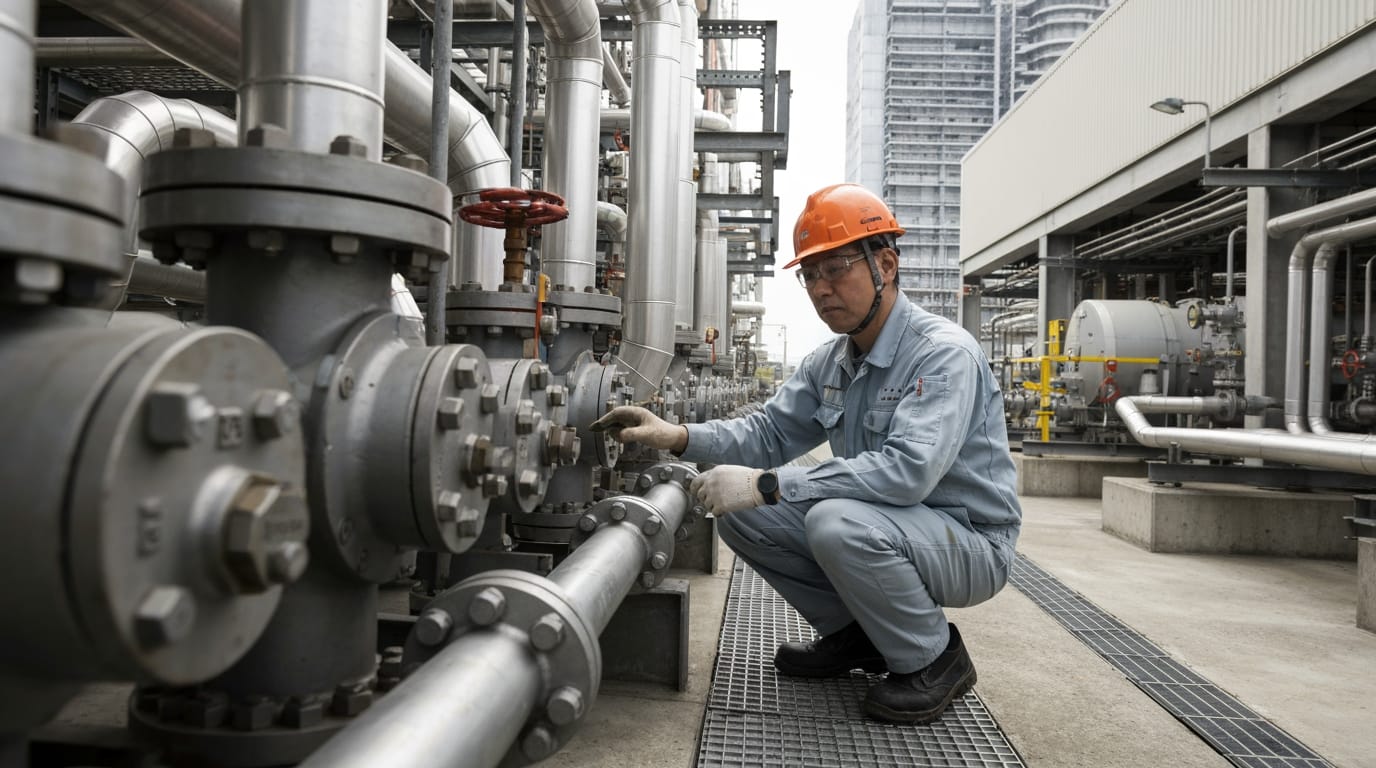
Japan is poised to restart the Kashiwazaki-Kariwa Nuclear Power Plant, the world's largest nuclear facility by capacity, a move that signals a profound shift in the nation's energy policy nearly 15 years after the devastating Fukushima Daiichi disaster. The approval from the Niigata prefectural assembly in December 2025 has cleared a significant hurdle, paving the way for the Tokyo Electric Power Company (TEPCO) to resume operations at the massive plant, which has been offline for over a decade. This decision, driven by pressing energy security concerns, economic imperatives, and ambitious decarbonization targets, comes despite persistent public skepticism and the plant operator's troubled history.
The Giant Awakens: Kashiwazaki-Kariwa's Long Hiatus
Located in Niigata Prefecture, approximately 220 kilometers northwest of Tokyo, the Kashiwazaki-Kariwa plant boasts an impressive capacity of over 8,000 megawatts, spread across seven reactors, making it the largest nuclear power station globally. The facility served as a crucial energy source for the Tokyo metropolitan area prior to the 2011 Great East Japan Earthquake and tsunami, which triggered the Fukushima disaster. In the aftermath of Fukushima, all 54 of Japan's commercial nuclear reactors were gradually shut down for safety checks and upgrades, including Kashiwazaki-Kariwa. Unit 6, a 1,315-megawatt boiling water reactor, is slated to be the first to resume operations around January 20, 2026, with commercial operation anticipated by the end of the fiscal year, March 31, 2026.
A Calculated Risk: Driving Forces Behind the Restart
The impetus for reviving nuclear power, particularly at a facility of Kashiwazaki-Kariwa's scale, is multifaceted. Primarily, Japan faces significant challenges in energy security and supply stability. The nation imports the vast majority of its energy needs, making it highly vulnerable to global fuel market volatility. In the past year alone, Japan spent 10.7 trillion yen (approximately $68 billion) on imported liquefied natural gas and coal, accounting for a tenth of its total import costs.
Economically, the restart is projected to offer substantial benefits. Reducing reliance on costly fossil fuel imports is expected to help curb electricity rates, which are currently higher than in some other regions of Japan. The Nomura Research Institute estimates that the restart of Kashiwazaki-Kariwa's Units 6 and 7 could generate an economic effect of 439.6 billion yen in Niigata Prefecture through job creation and ripple effects in related industries. For TEPCO, the plant's operator, bringing Kashiwazaki-Kariwa back online is a critical component of its financial recovery, with projections indicating an annual profit boost of 100 billion yen.
Furthermore, the restart aligns with Japan's decarbonization commitments. Nuclear power is viewed as a stable and low-carbon energy source essential for meeting climate goals. Under its current energy strategy, Japan aims for nuclear power to account for 20% to 22% of its electricity generation by 2030, and 20% by 2040. This push also comes amid increasing electricity demand, driven by industrial activity, digital infrastructure, and a growing number of power-hungry AI data centers. The new Prime Minister, Sanae Takaichi, has actively supported the accelerated revival of nuclear power to enhance energy security and offset the cost of imported fuels.
Forging a Path: Regulatory Hurdles and Safety Enhancements
The path to restart has been long and arduous, marked by stringent regulatory oversight and TEPCO's historical safety record. Following Fukushima, Japan's Nuclear Regulation Authority (NRA) introduced significantly stricter safety requirements, covering aspects like tsunami protection, emergency power supplies, and evacuation planning. TEPCO has invested heavily, committing 1.2 trillion yen to safety upgrades, including the construction of a 15-meter seawall.
Despite these efforts, the plant has been plagued by a series of security breaches and lapses. In 2020 and 2021, incidents included an employee using another's ID card to enter a central control room, as well as malfunctioning intruder detection systems in numerous locations. These issues led the NRA to issue a "red" rating—the highest risk level—and effectively halt restart preparations for Unit 7 in 2021. TEPCO has since implemented biometric authentication systems to prevent future unauthorized access. The restart of Unit 7 has been further delayed due to unfinished safety facilities, which were not completed by an October 2025 deadline.
The Kashiwazaki-Kariwa plant's significance is underscored by its design. While most of Japan's 14 previously restarted reactors since Fukushima have been pressurized water reactors (PWRs), Kashiwazaki-Kariwa's Unit 6 is a boiling water reactor (BWR), the same type involved in the Fukushima Daiichi accident. This classification adds another layer of public and regulatory scrutiny to its restart.
Divided Opinions: Public Trust and Local Resistance
Public opinion on nuclear power in Japan has been complex and evolving since Fukushima. Historically, there was strong opposition, with polls showing 50-60% against restarts. However, more recent surveys indicate a shift, with a majority now supporting restarts, largely influenced by rising energy costs, particularly in the wake of geopolitical events impacting global fuel markets. A Jiji Press survey in December 2025 reported 44.7% in favor of bringing plants back online, compared to 26.1% opposed.
Despite this national trend, significant divisions and resistance persist, especially at the local level. A Niigata prefectural survey in October 2025 revealed that 60% of residents believe the conditions for a restart have not been met, and nearly 70% expressed concerns about TEPCO's ability to operate the plant safely. Protesters, including former Fukushima evacuees now residing in Niigata, gathered outside the assembly to voice their opposition, holding banners reading "No Nukes" and "We oppose the restart of Kashiwazaki-Kariwa," fearing a repeat of the 2011 disaster. TEPCO has pledged a 100 billion yen investment into the prefecture over the next decade to address local concerns and rebuild trust.
Japan's Energy Future: A Pivotal Moment
The impending restart of Kashiwazaki-Kariwa represents a pivotal moment for Japan, underscoring the nation's determination to redefine its energy landscape. It signifies a delicate balance between the urgent need for energy security, economic stability, and environmental goals, against the ever-present specter of nuclear safety concerns and public apprehension. While the approval from the Niigata prefectural assembly removes a major political obstacle, TEPCO still faces the immense task of regaining full public trust and demonstrating impeccable operational safety. The successful, safe, and transparent operation of Kashiwazaki-Kariwa could pave the way for further nuclear restarts and the potential construction of new reactors, reshaping Japan's energy mix for decades to come.


