Japan's Largest Women's Prison Navigates Complexities Amid Shifting Penal Landscape
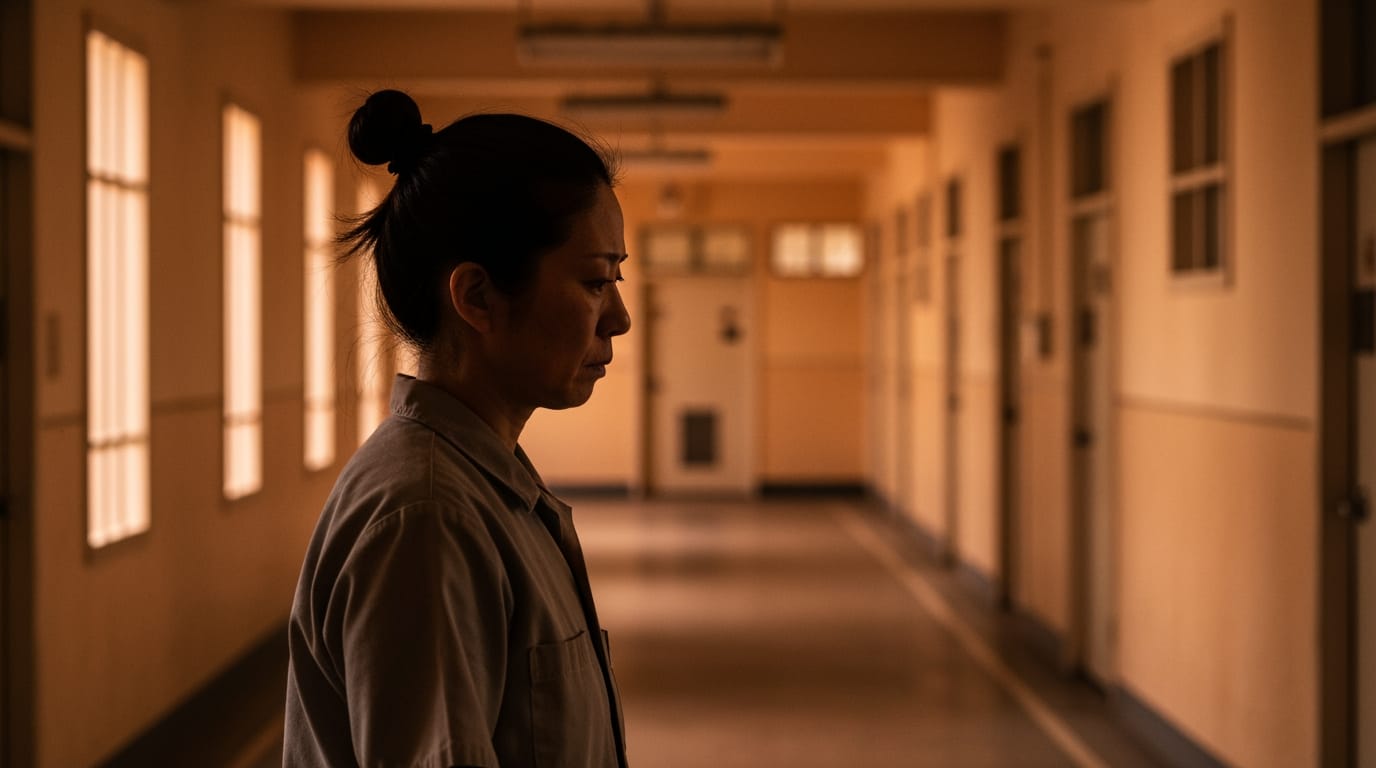
Tochigi Prison, Japan's largest correctional facility for women, stands as a microcosm of the evolving challenges facing the nation's penal system. Nestled amidst paddy fields and logistics centers approximately two hours north of Tokyo, this facility, designed to foster rehabilitation, grapples with a diverse inmate population, significant linguistic barriers, and the complexities of an aging demographic within its walls. As the institution prepares for its planned closure in 2028, its operational realities offer a critical lens into the broader efforts and inherent difficulties of modern incarceration in Japan.
A Day in the Structured Life
Daily life within Tochigi Prison is characterized by a rigorous and unvarying routine, reflective of the structured environment prevalent across Japanese correctional facilities. Inmates typically commence their workday at 7:40 AM, engaging in various forms of labor, predominantly sewing and folding intricate origami. These activities continue until 4:30 PM, punctuated only by a 30-minute lunch break and brief intervals in the morning and afternoon. Communication during work is strictly prohibited, contributing to an atmosphere of silent, focused industry. Prisoners receive remuneration for their labor, which can be utilized for purchases within the prison or disbursed upon their release, serving as a modest nest egg for reintegration into society. The regimen aims not only at productivity but also at instilling discipline and practical skills, with some facilities even offering vocational training in areas like beautician services, typing, and seamstress work. Food quality is meticulously managed, ensuring meals are nutritious and well-balanced, a detail reportedly monitored by prison directors.
The Evolving Face of Incarceration: Foreign Nationals and the Elderly
Tochigi Prison currently houses 456 female inmates, making it a pivotal institution within Japan's network of 12 women's correctional facilities. A striking feature of its population is the significant presence of foreign nationals, who constitute approximately one-third of the total. Women from 33 different countries are represented, with Thai women making up 17% and Chinese nationals around 10% of this foreign contingent. Many of these individuals are serving sentences primarily for attempting to smuggle narcotics into Japan, highlighting a specific challenge for the Japanese justice system. Beyond nationality, the aging demographic presents another critical concern. While the overall number of incarcerated women in Japan has seen a decline since 2011, the proportion of inmates aged 65 or older continues to rise, reaching 20% in 2021. This trend transforms correctional officers' roles, with duties increasingly resembling those of nursing home attendants, involving assistance with bathing and personal care.
Bridging Gaps: Language Barriers and Healthcare Demands
The convergence of a diverse international population and an aging inmate demographic presents Tochigi Prison with distinct operational hurdles. Warden Kiyochika Miyoshi has identified two primary challenges: effective communication with foreign nationals who possess limited or no Japanese language proficiency, and catering to the complex health and physical needs of elderly prisoners. These issues are not unique to Tochigi but reflect broader systemic strains. Human rights organizations have raised concerns about inadequate access to healthcare within Japanese prisons, noting a shortage of prison doctors and guards. For older inmates, the structured prison environment, with its regulated routines and intellectual exercises, can paradoxically be beneficial for cognitive function. However, the rising medical costs associated with elder care pose a significant financial burden on the correctional system, with annual medical expenses for correctional facilities exceeding 6 billion yen in 2015, an 80% increase over a decade.
Rehabilitation Efforts and Human Rights Scrutiny
Japan's penal system is increasingly aiming to shift its focus from mere punishment to rehabilitation, an objective reflected in the operations of facilities like Tochigi. The Ministry of Justice supports initiatives for offender rehabilitation, including organizations like the Women's Association for Rehabilitation Aid (WARA). However, human rights groups argue that the system still falls short of international standards, with reports detailing "serious human rights violations" against women in Japanese prisons. These alleged violations include insufficient access to healthcare, forced separation from children, and overly restrictive communication policies. The challenges are particularly acute for those imprisoned for minor offenses like petty theft or drug possession, often elderly women, whose incarceration may exacerbate pre-existing trauma and contribute to recidivism rather than deter it. Critics also point to the "opaque" nature of Japanese penal institutions, which lack adequate independent oversight, potentially leading to abuses of power.
The Road Ahead: Tochigi's Impending Closure
Tochigi Prison is slated for closure on March 31, 2028, a decision by the Ministry of Justice driven by factors including national financial considerations, the aging infrastructure of the facility, and a desire to enhance organizational efficiency while reducing staff burdens. This marks a significant development, as it will be the first closure of a women's prison in Japan since records began in 1976. The prison's occupancy rate, which exceeded 100% in late 2015, had reportedly decreased to approximately 71% by the end of 2024, reflecting a national trend of declining inmate populations. While the destination for Tochigi's current inmates and the future use of the site remain undetermined, officials are preparing for a smooth transition. This impending closure underscores the ongoing reevaluation of correctional strategies in Japan, necessitating a careful balance between punitive measures, rehabilitative goals, and humane treatment, especially as the demographics of the incarcerated population continue to evolve.
The story of Tochigi Prison is more than just an account of a correctional facility; it is a narrative that highlights the complex interplay of justice, social welfare, and human rights within a modern society. As Japan moves towards a new era in its penal system, the lessons learned from Tochigi's operations will undoubtedly shape the future of incarceration for women in the country.


