Japan's Noto Peninsula Reeling After Powerful Quake Triggers Major Tsunami Warning
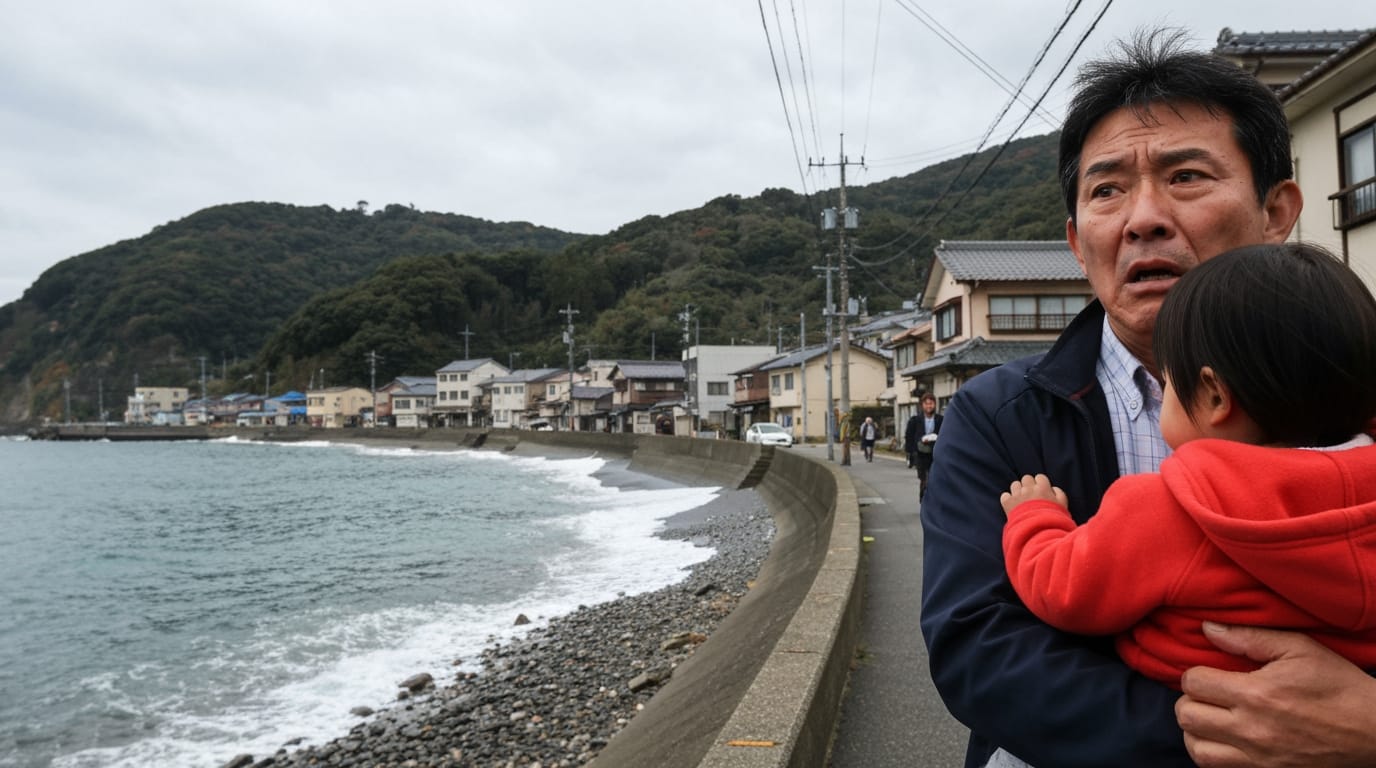
Tokyo, Japan – A devastating magnitude 7.6 earthquake struck Japan's Noto Peninsula on New Year's Day, January 1, 2024, triggering a "major tsunami warning" – the first such severe alert since the catastrophic 2011 Tohoku earthquake and tsunami. The powerful tremor, centered off the coast of Ishikawa Prefecture, unleashed destructive waves along the Sea of Japan coastline, prompting mass evacuations and leaving a trail of widespread destruction, profound human loss, and immense infrastructure damage across the region.
The New Year's Day Tremor and Immediate Response
At precisely 4:10 PM JST on January 1, 2024, the Noto Peninsula was rocked by a shallow, powerful earthquake initially measured at magnitude 7.6 by the Japan Meteorological Agency (JMA) and 7.5 by the United States Geological Survey (USGS). The reverse-faulting shock reached a maximum seismic intensity of Shindo 7 on the JMA scale, the highest possible level, indicating extreme shaking capable of causing widespread destruction. The epicenter was located just 6 kilometers north-northeast of Suzu, a city on the peninsula, at a depth of approximately 10 to 16 kilometers.
Within minutes of the initial jolt, Japan's highly sophisticated tsunami warning system sprang into action. The JMA issued a "major tsunami warning" for Ishikawa Prefecture, predicting waves of up to 5 meters. This marked a critical escalation, as a "major tsunami warning" indicates expected wave heights exceeding 3 meters and is reserved for events with the potential for severe damage and loss of life, a classification not seen since the 2011 disaster. Tsunami warnings and advisories were rapidly extended to large parts of Japan's western coast, stretching from Hokkaido to Nagasaki prefectures, covering significant portions of the Sea of Japan coastline. Coastal residents in Ishikawa, Niigata, Toyama, and Yamagata prefectures were immediately ordered to evacuate to higher ground, highlighting the imminent danger.
The Tsunami's Reach and Initial Devastation
Despite the rapid warnings, tsunami waves quickly inundated coastal areas, with the first waves reportedly reaching the Noto Peninsula within one minute of the quake. The city of Wajima on the Noto Peninsula recorded a tsunami wave of 1.2 meters, though some reports indicated a much higher measured wave of 11.3 meters in Wajima, and waves up to 3 meters were observed near Suzu. Other areas also experienced significant inundation; Kanazawa saw 90 cm waves, while Toyama and Sakata reported 80 cm waves. Smaller waves were noted in numerous other locations, including Nanao, Tsuruga, Kashiwazaki, and Sado Island.
The destructive power of the tsunami was evident in coastal communities. In Suzu, homes were displaced and boats overturned, with eyewitnesses describing waves moving cars and debris. At Iida Port in Ishikawa, the tsunami pushed water up to 100 meters inland, causing widespread flooding. The Ministry of Land, Infrastructure, Transport, and Tourism estimated that the tsunami inundated at least 120 hectares (296 acres) of land and damaged breakwaters along at least seven beaches. The earthquake also caused significant geological uplift, extending the coastline by up to 250 meters in some areas. While the major tsunami warning was eventually downgraded to an advisory and then lifted about 18 hours after the earthquake, the initial impact was severe and widespread.
Human Impact and Cascading Hazards
The Noto Peninsula earthquake and its subsequent tsunami resulted in a tragic loss of life and extensive damage, making it the deadliest earthquake in Japan since the 2011 Tohoku event. As of late 2024, official figures reported around 228 direct fatalities, with an additional 261 disaster-related deaths, bringing the total to nearly 500. These indirect deaths were attributed to the severe physical and mental toll of evacuation, harsh conditions in shelters, fear of aftershocks, and disruptions to essential services like electricity and water. Over 1,400 people sustained injuries. Only two fatalities were directly attributed to the tsunami, a testament to Japan's strong awareness and effective evacuation protocols.
The earthquake caused catastrophic structural damage, impacting over 204,903 structures across nine prefectures. Thousands of homes were completely destroyed (6,445) or partially damaged (23,225), particularly in the towns of Wajima, Suzu, Noto, and Anamizu. Beyond the direct shaking, the region experienced a series of cascading hazards. Landslides were widespread across the mountainous terrain, with an estimated 1,000 occurring in the first month alone. These landslides, alongside liquefaction and ground failures, blocked critical roads, isolated villages, and hampered immediate rescue and relief efforts. A large fire erupted in Wajima, exacerbated by damaged roads that hindered firefighters, further devastating parts of the city. Tens of thousands of homes lost power and access to running water, severely impacting survivors in the cold winter months.
Japan's Advanced Preparedness and Lingering Challenges
Japan's response to the Noto Peninsula earthquake underscored both the effectiveness of its advanced disaster preparedness systems and the formidable challenges inherent in large-scale natural disasters. The Japan Meteorological Agency's tsunami warning system, refined after the 2011 disaster, is among the most sophisticated globally, capable of issuing warnings within minutes of an earthquake. This rapid alert, coupled with a well-drilled public response to evacuation orders, undoubtedly saved countless lives from the tsunami waves. The distinction between a "major tsunami warning" (expected over 3m) and a "tsunami warning" (1-3m) helps convey the urgency and level of threat to the public.
However, the event also exposed significant logistical hurdles. The severe damage to roads, particularly in the rugged Noto Peninsula, created access issues for emergency services and aid distribution, delaying critical early recovery efforts. The harsh winter conditions, including extreme cold, contributed to a high incidence of disaster-related deaths from hypothermia and other health complications, a unique challenge compared to past disasters. Despite Japan's high building standards, the sheer intensity of the ground shaking, particularly the Shindo 7 intensity, led to widespread structural collapse, emphasizing the ongoing need for improved earthquake resistance.
The Road to Recovery and Long-Term Outlook
The Noto Peninsula earthquake inflicted an estimated economic damage ranging from ¥1.1 trillion to ¥2.6 trillion (approximately US$7.4 to US$17.6 billion). The recovery process is expected to be protracted, with the Ishikawa Prefectural Government releasing a nine-year reconstruction plan extending through fiscal year 2032. Initial efforts focused on providing temporary housing, with 6,800 new units planned for completion by the end of 2024, although thousands of evacuees remained in shelters months after the quake. Demolition of severely damaged homes is scheduled to continue until October 2025.
Road repairs are crucial for enabling reconstruction and restoring community life, with significant progress made in reopening impassable routes. Concerns remain about the long-term vitality of the region, which faces challenges such as an aging and shrinking population, potentially hindering the return of displaced residents. International support, including an initial aid package from the United States, underscored global solidarity with Japan in the face of this disaster.
The 2024 Noto Peninsula earthquake and the major tsunami warning it triggered serve as a stark reminder of Japan's vulnerability to seismic activity. While the nation's advanced warning systems and preparedness culture undoubtedly mitigated the tsunami's direct casualty toll, the extensive damage, complex recovery, and the significant number of disaster-related deaths highlight the multifaceted challenges that even the most prepared nations face in the aftermath of such powerful natural phenomena. The long road to recovery will require sustained effort, innovation, and resilience from both the affected communities and the wider Japanese society.


