Tehran Rejects Further Peace Talks as Regional Tensions Escalate
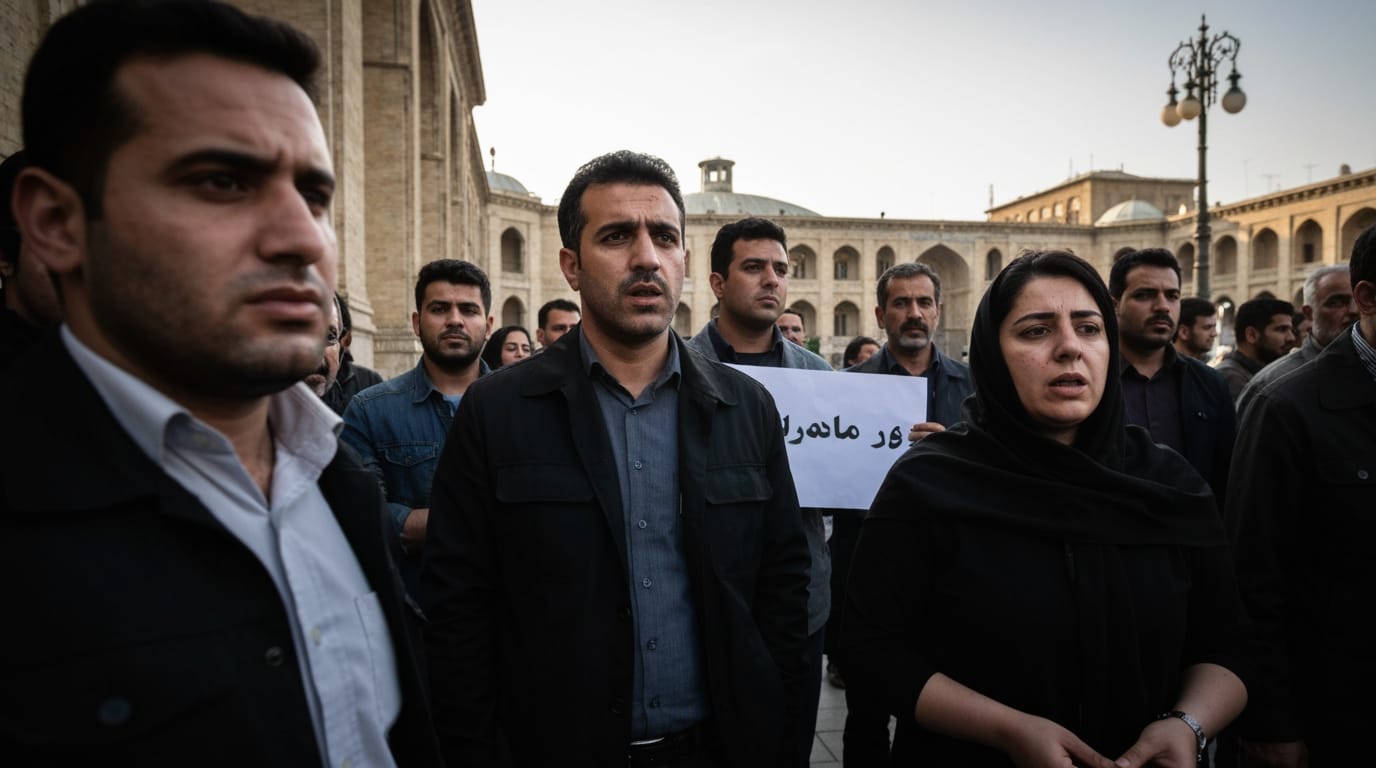
Tehran has definitively stated it has "no plans" for fresh peace talks with the United States, casting a pall over efforts to de-escalate a protracted and increasingly volatile armed conflict. The announcement, delivered through official Iranian media, cited Washington's "excessive demands, shifting positions and constant contradictions," alongside an ongoing naval blockade, as insurmountable obstacles to meaningful diplomacy. This declaration follows the recent collapse of a 21-hour marathon negotiation session in Islamabad, signaling a deepening chasm between the adversaries and raising fears of further regional destabilization.
Diplomacy Falters Amid Hardened Stances
The unequivocal rejection from Tehran comes at a critical juncture, with a two-week ceasefire nearing its expiration and military tensions at a fever pitch. Iran's official news agency IRNA reported on April 20, 2026, that there is "no clear prospect of fruitful negotiations" under current conditions, dismissing reports of an imminent second round of talks in Islamabad as a "media game" and a US pressure tactic. Iranian Foreign Ministry spokesperson Esmail Baghaei emphasized that Washington had already violated the terms of the previous agreement, making further talks unproductive.
The failed Islamabad talks, which included a US delegation led by Vice President JD Vance, Jared Kushner, and Special Envoy Steve Witkoff, ended without a breakthrough, with both sides attributing blame. Iran consistently identified the persistent naval blockade by US forces in the Strait of Hormuz as a primary impediment to diplomatic progress. Tehran views this blockade, which impacts its oil exports, as collective punishment and a direct violation of international law. Conversely, President Donald Trump had expressed optimism for a deal, even while issuing stark warnings of military action should negotiations fail.
The Broadening Scope of the "Iran War"
The current "Iran war" refers to an armed conflict that significantly escalated in February 2026, primarily involving direct military actions between the United States, Israel, and Iran. This conflict has seen US and Israeli forces conduct strikes on Iranian military and nuclear infrastructure, met with retaliatory missile and drone attacks from Iran targeting US bases and regional assets. The roots of this renewed conflict can be traced to the 2018 US withdrawal from the Joint Comprehensive Plan of Action (JCPOA), commonly known as the Iran nuclear deal, and Iran's subsequent acceleration of its uranium enrichment program.
Diplomatic efforts to revive the nuclear deal had been sporadic since 2021, ultimately stalling by late 2023. A brief period of re-engagement in April 2025, mediated by Oman, saw five rounds of talks between the Trump administration and Iran, focused on verification, uranium stockpiles, and future enrichment. However, a two-month deadline set by President Trump for a nuclear peace agreement in April 2025 expired without resolution, directly preceding the current conflict's ignition. This conflict has resulted in significant casualties and an intensification of geopolitical rivalries across the Middle East.
Deeply Entrenched Demands and Unyielding Positions
The core disagreements preventing a diplomatic resolution remain deeply entrenched. The United States has reportedly demanded comprehensive concessions from Iran, including a complete cessation of uranium enrichment, the dismantling of key nuclear facilities, the removal of highly enriched uranium from Iranian territory, an end to Iranian support for regional proxy groups, and unrestricted access to the strategically vital Strait of Hormuz. These demands are seen by Tehran as "excessive" and an affront to its national sovereignty.
Iran, on its part, has maintained its "inalienable right" to enrich uranium and has rejected any proposal for zero enrichment. Iranian officials have also consistently demanded guarantees against future military action, compensation for losses incurred during the conflict, and formal control over the Strait of Hormuz. The contrasting interpretations of the ceasefire are also a major point of contention; while the US accused Iran of violating the ceasefire by targeting ships in the Strait of Hormuz, Iran countered that the US naval blockade itself constituted a violation. Tehran has signaled its preparedness for a prolonged conflict if its demands are not met.
Regional Fallout and Global Economic Concerns
The breakdown of diplomatic channels and the continuation of hostilities carry profound regional and global implications. The Strait of Hormuz, a critical chokepoint through which approximately one-fifth of the world's oil supply passes, has become a dangerous flashpoint. Disruptions in this vital energy corridor have already led to rising oil prices and global fuel shortages, impacting industries from airlines to transportation and creating broader economic instability.
Alarmed by the prospect of a wider regional conflagration, several Gulf states, including Saudi Arabia and Qatar, have actively pursued parallel diplomatic efforts and backchannel communications with Iran. These nations, whose economies and stability are directly threatened by an escalating conflict, are seeking to mediate and de-escalate tensions, underscoring a regional desire to avoid being drawn further into the US-Iran standoff. Despite a historic normalization of relations between Iran and Saudi Arabia in 2023, the current conflict strains the fragile regional stability that had begun to emerge.
The hardened positions from Tehran leave little immediate room for optimism regarding a diplomatic off-ramp. With fundamental disagreements persisting and both sides viewing the other's actions as destabilizing, the potential for continued military confrontation in the Middle East remains high. The international community now faces the challenge of navigating an increasingly complex geopolitical landscape, where economic stability and regional security hang in a delicate balance.


