Japan's Nuclear Resurgence: TEPCO's Restart Plan Ignites Public Concern Amidst Energy Crisis
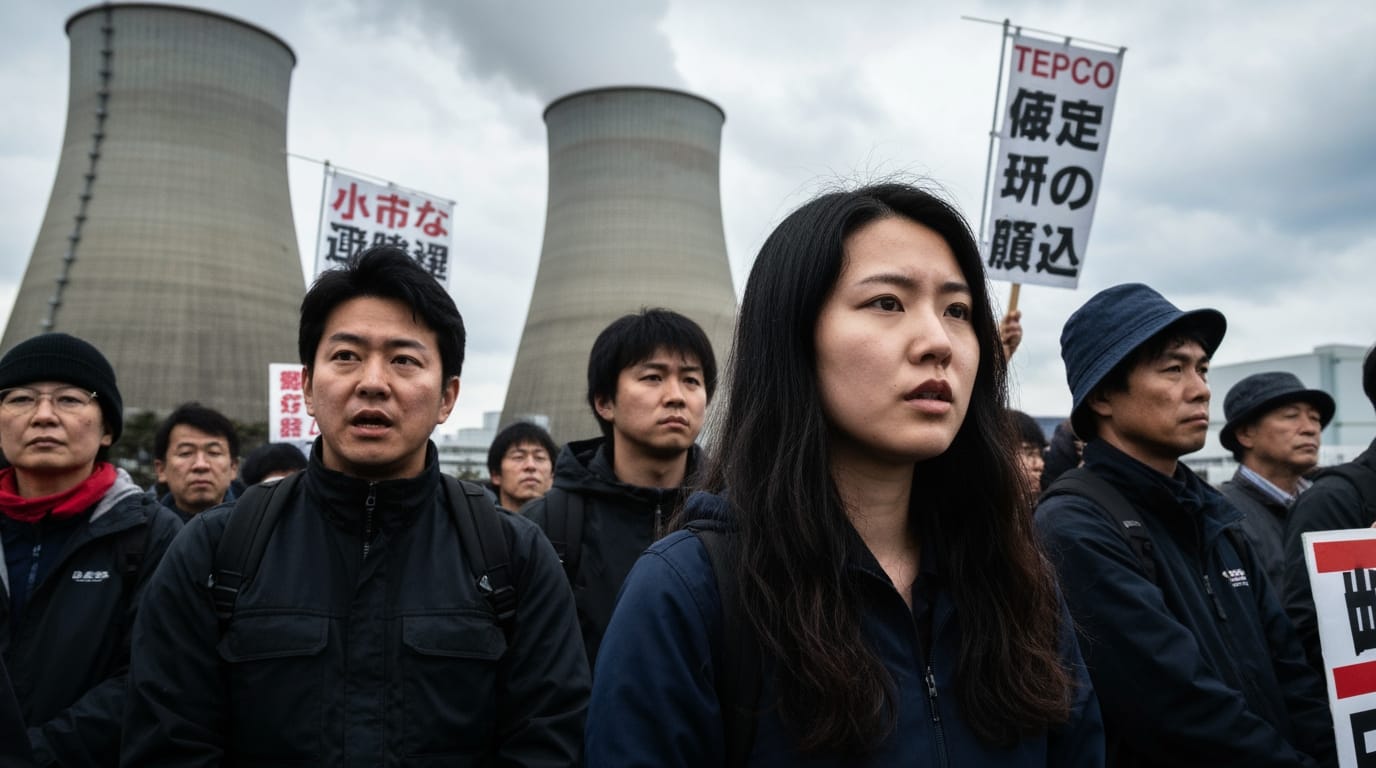
NIIGATA, Japan – Nearly 15 years after the devastating Fukushima Daiichi nuclear disaster, Japan is charting a complex course back to nuclear power, with the recent approval for Tokyo Electric Power Company (TEPCO) to restart a reactor at the Kashiwazaki-Kariwa plant. This move, concerning the world's largest nuclear power facility by capacity, represents a pivotal moment in the nation's energy policy, aimed at bolstering energy security and meeting ambitious climate goals. However, the decision has simultaneously reignited profound public anxiety and distrust, particularly in communities still grappling with the psychological and economic scars of the 2011 catastrophe. The push for restart, driven by economic pressures and a global energy crunch, clashes directly with a deeply ingrained skepticism about nuclear safety, casting a long shadow over Japan's atomic future.
The Return of Kashiwazaki-Kariwa: A Strategic Imperative
The Kashiwazaki-Kariwa nuclear power station, a seven-reactor complex located approximately 220 kilometers northwest of Tokyo in Niigata Prefecture, has been largely dormant since the 2011 Fukushima crisis. On December 22, 2025, the Niigata Prefectural Assembly cleared the way for the restart of the plant's number six reactor, with operations anticipated to commence around January 20, 2026. This approval marks the first time TEPCO, the operator responsible for the Fukushima Daiichi plant, has been permitted to bring a reactor back online since the accident. The Japanese government, under Prime Minister Sanae Takaichi, has been a strong proponent of nuclear restarts, viewing them as crucial for stabilizing energy costs and strengthening the economy.
Japan's energy landscape shifted dramatically post-Fukushima, with all 54 nuclear reactors initially shut down, leading to a heavy reliance on imported fossil fuels. Before 2011, nuclear energy supplied about 30% of Japan's electricity. Today, 60% to 70% of the nation's electricity comes from imported coal and natural gas, costing the country 10.7 trillion yen (approximately $68 billion) last year. This dependence has rendered Japan vulnerable to global energy price fluctuations and geopolitical risks. The government aims to increase nuclear power's share to 20% of the electricity mix by 2040, a target seen as essential for achieving both energy security and its net-zero carbon emissions goals by 2050. The rising demand for electricity, partly fueled by the growth of energy-intensive artificial intelligence data centers, further underscores the perceived urgency of the nuclear comeback.
Fukushima's Unhealed Wounds: A Community's Anguish
Despite the government's economic and environmental arguments, the decision to reactivate Kashiwazaki-Kariwa has been met with significant public opposition, particularly from those who endured the trauma of Fukushima. Surveys conducted in October by Niigata prefectural authorities revealed that 60% of residents believe the conditions for a safe restart have not been met, and nearly 70% expressed unease about TEPCO's ability to operate the facility safely. This deep-seated distrust is rooted in TEPCO's past management of the Fukushima crisis and subsequent safety lapses at Kashiwazaki-Kariwa, including malfunctioning anti-terrorism equipment discovered in 2021 that led to an operational ban.
On the day of the Niigata assembly vote, approximately 300 protesters gathered outside, holding banners with slogans like "No Nukes" and "Support Fukushima." Among them was Ayako Oga, a 52-year-old farmer and anti-nuclear campaigner who was forced to flee the Fukushima exclusion zone in 2011. Her testimony encapsulates the human cost of the disaster, expressing profound fear that others might face similar suffering. "I honestly feel terrified that people who have already suffered mental, physical, and economic damage from the Fukushima nuclear disaster may face the risk of experiencing another nuclear accident," Oga stated. Her sentiments are echoed by many who remain wary of nuclear power, with a 2014 nationwide survey indicating a strong preference for renewable energy over nuclear, especially among those who experienced blackouts or live near nuclear plants.
TEPCO's Pledge: Rebuilding Trust Through Enhanced Safety
In response to widespread skepticism and a mandate to demonstrate its commitment to safety, TEPCO has implemented extensive upgrades at the Kashiwazaki-Kariwa plant. The company asserts it has adopted a comprehensive "defense-in-depth" strategy, aiming to strengthen safety across multiple levels and prepare for a wide range of potential risks. These enhancements include upgraded seawalls, watertight doors, improved filtering systems, mobile generators, and additional fire trucks, all designed to prevent a recurrence of the Fukushima-type accident.
TEPCO spokesperson Masakatsu Takata has emphasized the company's commitment, stating, "We remain firmly committed to never repeating such an accident and ensuring Niigata residents never experience anything similar." Beyond infrastructure improvements, TEPCO has also pledged 100 billion yen ($641 million) over the next decade to support the local community in Niigata, an effort aimed at securing local support and rebuilding fractured relationships. However, the company continues to battle public perception, particularly as the operator of the plant that suffered the world's worst nuclear disaster since Chernobyl.
A Nation at a Crossroads: Balancing Ambition with Anxiety
The debate surrounding Kashiwazaki-Kariwa encapsulates Japan's broader energy dilemma: how to reconcile the pressing need for secure, affordable, and low-carbon energy with the public's lingering fears of nuclear catastrophe. The government views nuclear power as an indispensable component of its future energy mix, recognizing its role in reducing carbon emissions and hedging against the volatility of global fossil fuel markets. Accelerating reactor restarts, extending operational lifespans, and even considering the construction of new reactors are key elements of this strategy.
Yet, the path forward is fraught with challenges. The Niigata Governor, Hideyo Hanazumi, while backing the restart, has also articulated a desire for Japan to ultimately reduce its reliance on energy sources that cause public anxiety. This sentiment highlights the significant political and social hurdles that remain. Critics argue that the push for nuclear power risks delaying Japan's transition to renewable energy sources, while others point out that local consent remains a critical and often unpredictable factor in reactor restarts. The Kashiwazaki-Kariwa restart, therefore, is not merely an energy policy decision; it is a profound societal negotiation between national imperatives and local concerns, between economic necessity and collective memory.
Conclusion: A Precarious Path Forward
The impending restart of Kashiwazaki-Kariwa's reactor six marks a significant, albeit contentious, milestone in Japan's post-Fukushima energy trajectory. Driven by a confluence of economic pressures, environmental targets, and geopolitical realities, the government is determined to bring nuclear power back into the nation's energy portfolio. Yet, the deep-seated public mistrust of TEPCO and the vivid memories of the 2011 disaster continue to fuel a potent anti-nuclear sentiment, particularly in affected communities. The delicate balance between national energy demands and the public's demand for absolute safety will continue to shape Japan's energy future, making the Kashiwazaki-Kariwa plant a critical test case for a nation attempting to navigate a precarious path towards energy security and sustainability.


