Japan's Strategic Compass Turns South: A Deepened Focus on Southeast Asia
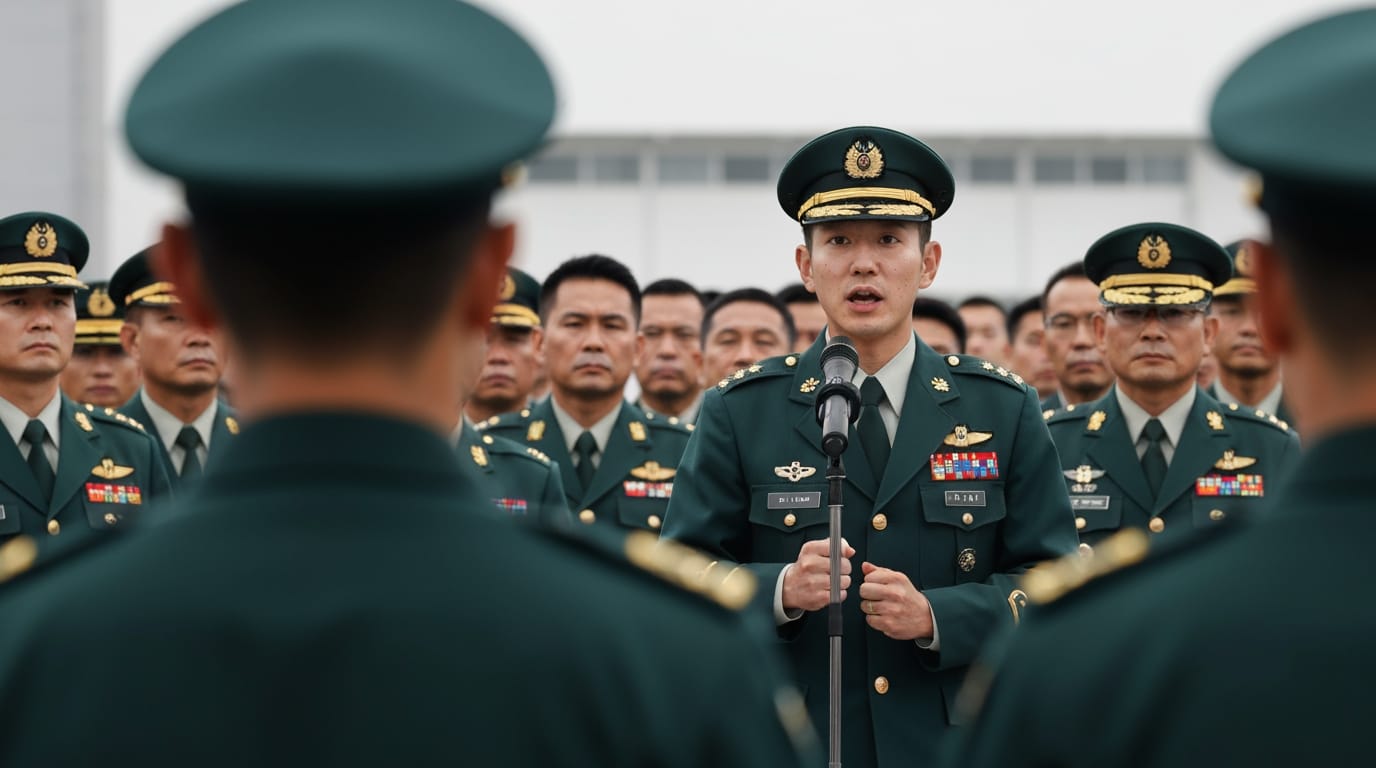
Tokyo's Evolving Indo-Pacific Vision Prioritizes ASEAN Amidst Shifting Geopolitical Currents
Tokyo is recalibrating its comprehensive Indo-Pacific strategy, placing an unprecedented emphasis on Southeast Asia. This strategic pivot, driven by a complex interplay of geopolitical shifts, economic imperatives, and security concerns, aims to bolster regional stability and economic resilience across a vital maritime expanse. Japan's "Free and Open Indo-Pacific" (FOIP) vision, originally articulated years ago, is now manifesting with concrete initiatives, signifying a deliberate and intensified engagement with the Association of Southeast Asian Nations (ASEAN) and its member states. The move underscores Japan's commitment to fostering a rules-based international order, ensuring freedom of navigation, and diversifying critical supply chains in an increasingly contested region.
Redefining Engagement: The Evolving Free and Open Indo-Pacific Vision
The concept of a "Free and Open Indo-Pacific," first introduced by former Prime Minister Shinzo Abe, has matured significantly under subsequent administrations, including the current leadership of Prime Minister Kishida. Initially envisioned as a broad framework for promoting peace, stability, and prosperity, the FOIP strategy has evolved to prioritize tangible cooperation, with Southeast Asia emerging as its indispensable core. This sharpened focus is a direct response to a confluence of factors, including the escalating geopolitical competition, particularly the growing influence and assertiveness of China in the region.
For Japan, the Indo-Pacific, especially the critical sea lanes traversing the South China Sea, represents vital arteries for its trade and energy imports. Approximately 80% of Japan's energy imports pass through these waters. Safeguarding these maritime commons and upholding international law, including freedom of navigation and overflight, are paramount to Japan's national interests. Moreover, global events have highlighted vulnerabilities in concentrated supply chains, prompting Japan to seek greater economic diversification and resilience by encouraging Japanese companies to relocate production from China to Southeast Asia. The updated FOIP plan, announced in March 2023, now explicitly rests on three pillars: strengthening economic foundations, fostering shared growth opportunities, and deepening security cooperation, signaling a holistic approach to regional engagement.
Crucially, Japan consistently underscores the centrality of ASEAN within its FOIP framework. Tokyo actively seeks synergy between its vision and the ASEAN Outlook on the Indo-Pacific (AOIP), recognizing ASEAN as the linchpin of regional cooperation and a crucial partner in maintaining a rules-based order. This approach aims to provide Southeast Asian nations with alternatives to Chinese initiatives, thereby preventing any single power from monopolizing the region.
Strengthening Security Partnerships: The Official Security Assistance Program
A cornerstone of Japan's intensified engagement is the recently launched Official Security Assistance (OSA) program. Introduced in April 2023, the OSA represents a significant departure from Japan's traditional aid policies, marking its first cooperation scheme specifically designed to provide military assistance. Unlike traditional Official Development Assistance (ODA) which focuses on socio-economic growth, OSA provides non-lethal defense equipment, technical training, and infrastructure development to the armed forces or related organizations of "like-minded" countries.
The primary objective of the OSA is to enhance the security and deterrence capabilities of partner nations, thereby contributing to regional peace and stability and preventing unilateral attempts to change the status quo by force. Southeast Asia is a central focus of this policy shift, with the Philippines, Malaysia, and Indonesia among the initial recipients. Thailand is set to join soon, and Cambodia, Vietnam, and Laos have been identified as priority candidates for future expansion. The assistance includes crucial equipment such as patrol boats, communication systems, marine domain awareness equipment, and coastal surveillance radars, directly addressing maritime security concerns in the region. The budget for the OSA program is projected to increase significantly, demonstrating Japan's long-term commitment to enhancing regional security capacities. This proactive stance, particularly in bolstering the maritime capabilities of coastal states, is directly linked to Japan's strategic interests in the South China Sea and its efforts to counter growing regional tensions.
Deepening Economic and Developmental Ties
Beyond security, Japan's pivot includes a robust continuation and expansion of its long-standing economic and developmental cooperation with Southeast Asia. This dimension of engagement is characterized by a focus on "quality infrastructure" investment, designed to be sustainable and transparent, in line with the G20 Principles for Quality Infrastructure Investment. Japan actively promotes connectivity through initiatives like the "Japan-ASEAN Connectivity Initiative," investing in projects that strengthen land, sea, and air corridors, and also supports human resource development.
A key economic driver is the diversification and resilience of supply chains. Since 2020, Japan has provided financial support to Japanese companies relocating production sites from China to Southeast Asian nations such as Vietnam, Thailand, Malaysia, and the Philippines. This strategic relocation aims to mitigate risks associated with over-reliance on a single production base and build more robust global value chains. Furthermore, Japan is deepening cooperation with countries like Vietnam on critical economic security areas, including critical minerals, energy, and AI, underscoring Southeast Asia's role as a new center for global supply chain security. This extensive economic partnership is built on decades of collaboration, with ASEAN serving as Japan's third-largest trading partner, accounting for 15% of its total foreign trade in goods.
Navigating a Complex Geopolitical Landscape
Japan's enhanced engagement in Southeast Asia occurs within a complex geopolitical landscape, necessitating a delicate balancing act. While strengthening ties with individual nations and through multilateral frameworks, Japan must navigate the pervasive influence of China and respect ASEAN's foundational principles of neutrality and non-alignment. Many Southeast Asian countries prefer not to be forced into choosing sides in major power rivalries, a stance reinforced by their historical experiences. Japan's approach aims to offer alternatives to Chinese initiatives, fostering resilience and strategic autonomy for ASEAN member states.
Japan also plays a crucial role in bridging the gap between ASEAN and other strategic groupings like the Quadrilateral Security Dialogue (Quad), comprising Australia, India, Japan, and the United States. While some perceive the Quad's rapid institutionalization as a challenge to ASEAN centrality, Japan views its involvement in both as synergistic and complementary, promoting a shared vision of a free, open, rules-based, stable, and prosperous Indo-Pacific. The Quad's agenda has broadened to include practical cooperation in areas such as climate change, infrastructure, cybersecurity, and health security, aligning with broader regional needs. However, Japan's economic influence in Southeast Asia has relatively diminished compared to China in recent years, presenting a continuous challenge in its efforts to deepen engagement.
Conclusion
Japan's strategic pivot towards Southeast Asia represents a dynamic and multifaceted evolution of its Indo-Pacific strategy. By integrating enhanced security cooperation through the OSA, bolstering economic resilience through supply chain diversification and quality infrastructure investment, and consistently championing ASEAN centrality, Tokyo is cementing its commitment to the region. This comprehensive approach reflects Japan's long-term vision for a stable, prosperous, and rules-based Indo-Pacific, where mutual benefits and shared interests drive regional cooperation. As geopolitical currents continue to shift, Japan's deepened engagement with Southeast Asia will be crucial in shaping the future trajectory of this critical global region.


