Journalist Found Dead in Colombia's Conflict Zone, Highlighting Perils for Local Reporters
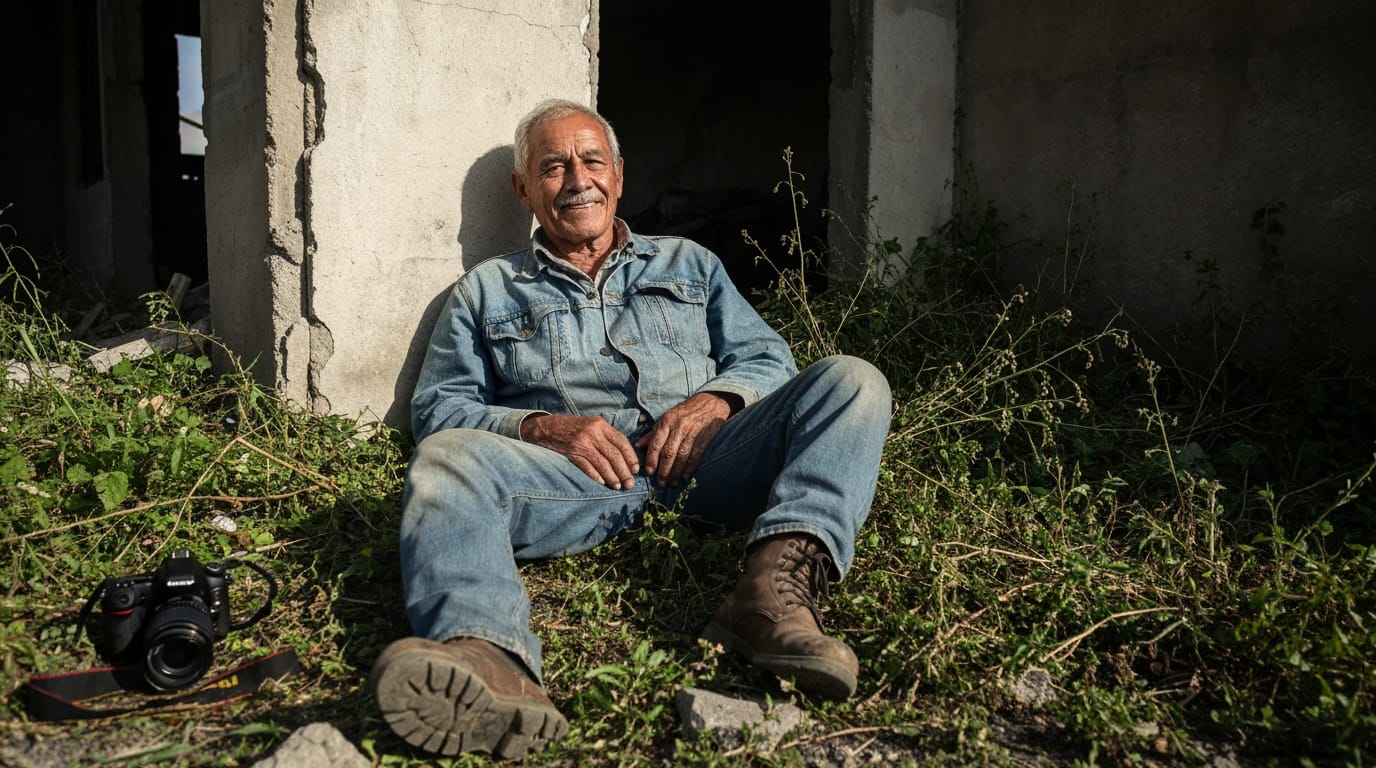
BOGOTÁ, Colombia – The discovery of 25-year-old journalist Mateo Pérez's body in a volatile region of northwestern Colombia on Friday has sent a chilling reminder of the extreme dangers faced by those reporting from the country's conflict-ridden territories. Pérez, who had been missing since Tuesday, was a vital voice for his local community through the online news outlet "El Confidente de Yarumal," and his death underscores the persistent threats from armed groups, drug traffickers, and illegal miners to independent journalism in Colombia. President Gustavo Petro swiftly attributed the killing to a guerrilla leader allegedly seeking control of the illicit gold mining trade, immediately thrusting the incident into the national spotlight and reigniting concerns over press freedom.
A Tragic Discovery in Antioquia
Mateo Pérez's disappearance became a somber reality when his body was located in a rural area of the Antioquia department, approximately five hours north of Medellin. He was reportedly engaged in reporting activities when he went missing earlier in the week. Pérez's work often delved into sensitive local issues, including crime, security, politics, and corruption, alongside covering local accidents and the broader armed conflict in the vicinity of Yarumal. The Foundation for Press Freedom (FLIP) condemned the killing, recognizing Pérez as an essential local voice.
The region where Pérez was reporting and subsequently found is a precarious "disputed zone," characterized by the active presence of dissident factions of the former FARC guerrilla group, drug traffickers associated with the powerful Gulf Clan, and groups involved in illegal gold mining. These entities frequently vie for control over illicit economies, creating an environment where critical reporting is met with extreme hostility. Pérez had reportedly faced legal pressures due to his investigations into these illicit networks. President Petro's direct accusation against Jhon Edison Chala Torrejano, a guerrilla leader, suggests the killing was a targeted act intended to silence reporting on these lucrative and violent trades.
Reporting in a Perilous Landscape
Colombia remains one of the most perilous countries in the world for journalists, particularly those operating in remote or conflict-affected areas. The death of Mateo Pérez is not an isolated incident but rather a stark illustration of a systemic problem where local reporters, often without the protective shield of larger media organizations, are directly confronted by the interests of powerful illegal armed groups. These groups exert control over vast territories, deriving income from cocaine trafficking, illegal mining, and extortion, and frequently use intimidation and violence to dictate what is reported.
Statistics reveal a grim picture: at least 170 journalists have been killed in Colombia since 1977. In the past five years alone, seven of the eight journalists murdered in Colombia were covering local news in smaller cities, towns, or rural areas, highlighting the vulnerability of community-based reporting. The intensification of violence against regional journalists has led to widespread self-censorship, as many media outlets avoid sensitive topics for fear of reprisal, creating "silence" where crucial information should be. Beyond armed groups, journalists also face threats from corrupt politicians and unscrupulous business owners seeking to suppress watchdog reporting.
A Broader Crisis for Press Freedom
The tragic death of Mateo Pérez occurs within a broader context of deteriorating press freedom in Colombia. Multiple press freedom organizations have noted a worrying setback in this field, with a significant increase in threats, judicial harassment, and smear campaigns against journalists. The year 2024 was marked as the deadliest in a decade for journalists in Colombia, continuing a trend of increasing dangers. Between 2022 and 2024, seven journalists were killed in the country, underscoring a consistent pattern of violence.
In response to growing concerns, including the uncertainty surrounding cases like Mateo Pérez's, Colombia's Attorney General's Office recently announced a new directive. Resolution 00119 of 2026 aims to strengthen investigations into threats, attacks, and crimes against media professionals, acknowledging the essential role of journalism in society. This measure seeks to enhance institutional capacity and provide more timely tools for addressing such cases. Despite these efforts, press freedom groups continue to advocate for stronger protections and an end to impunity, which often fuels further violence. The lack of accountability for journalist murders remains a significant challenge, although some cases, such as the sentencing of a man to 43 years for the 2024 killing of journalist Mardonio Mejia Mendoza, offer a glimmer of hope for justice.
The Unyielding Quest for Truth
Mateo Pérez's death is a profound loss for Colombian journalism and a stark reminder of the sacrifices made in the pursuit of truth. It underscores the critical role played by local journalists who report from the front lines of conflict and corruption, often at immense personal risk. Their work is indispensable for informing communities, holding power accountable, and upholding democratic principles. The ongoing violence and intimidation faced by journalists in Colombia not only stifle individual voices but also undermine the public's right to information and the fabric of democracy itself. As investigations into Pérez's killing proceed, the international community and national authorities are urged to redouble efforts to protect journalists, combat impunity, and ensure that those who seek to silence the press are brought to justice, allowing independent reporting to thrive in even the most challenging environments.


