Justice Department Ends Criminal Probe into Fed Chair Powell, Paving Way for Successor
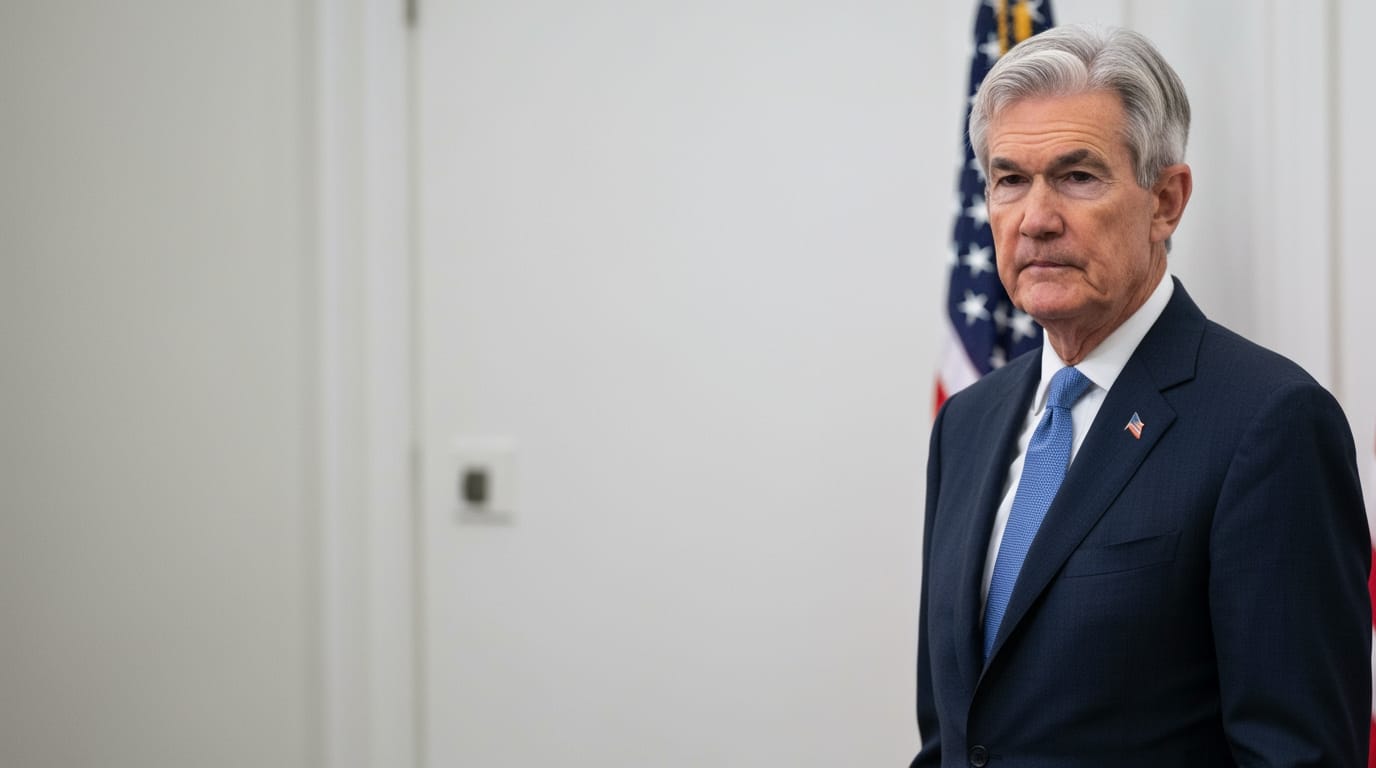
Washington, D.C. — The U.S. Justice Department has formally concluded its criminal investigation into Federal Reserve Chair Jerome Powell, a decision that abruptly shifts the focus of accountability for alleged cost overruns at the central bank to an internal watchdog and significantly clears the path for President Donald Trump's nominee, Kevin Warsh, to assume leadership of the Federal Reserve. U.S. Attorney for the District of Columbia Jeanine Pirro announced Friday that her office was closing the probe, redirecting the inquiry into the Fed’s headquarters renovation expenses to the Federal Reserve’s Inspector General. This development effectively removes a major political and legal hurdle that had complicated the confirmation process for Powell’s likely successor.
The Genesis of a Politically Charged Investigation
The criminal investigation, which burst into public view in January, centered on allegations related to renovation costs for Federal Reserve buildings and Powell's prior testimony concerning those projects. Federal prosecutors had initiated the inquiry in November 2025, reviewing Powell's statements to Congress and examining internal spending records associated with the multi-billion dollar renovation of the Fed's Washington, D.C., headquarters. The project, first approved in 2017, saw its estimated costs rise from an initial $1.9 billion to $2.5 billion.
However, the probe quickly drew scrutiny, with many observers, including Powell himself, characterizing it as a politically motivated effort to pressure the independent central bank. President Trump had been a vocal critic of Powell's monetary policy decisions, frequently expressing frustration over the Fed's reluctance to rapidly cut interest rates. Powell had previously taken the unusual step of publicly stating that the investigation was "not actually about the Fed's renovation but was a pretext meant to pressure the central bank to lower interest rates." He maintained that the threat of criminal charges raised fundamental questions about the Fed's ability to set monetary policy based on economic evidence rather than political intimidation.
The Justice Department's investigation also faced significant legal setbacks. In March, Chief Judge James Boasberg of the U.S. District Court for the District of Columbia quashed grand-jury subpoenas issued to the Federal Reserve, asserting that prosecutors had presented "essentially zero evidence" of criminal conduct by Powell. Judge Boasberg's ruling described the subpoenas as "thin and unsubstantiated" and indicated that their primary purpose was to "harass and pressure" the Fed Chair into either lowering interest rates or resigning.
The Abrupt End of the Probe
U.S. Attorney Pirro's announcement on Friday marked an unexpected conclusion to the high-profile investigation. Just two days prior, Pirro had publicly stated her commitment to continuing the probe, despite the federal judge's ruling that had severely curtailed her office's efforts. In her social media statement, Pirro explained that she had directed her office to close the criminal investigation as the Federal Reserve’s Office of the Inspector General (OIG) would undertake its own inquiry into the building costs. She expressed confidence that the OIG's review would comprehensively address the concerns that initially prompted the subpoenas. However, Pirro also left open the possibility of renewed legal action, cautioning that her office would "not hesitate to restart a criminal investigation should the facts warrant doing so."
The Fed's OIG confirmed it had been evaluating the central bank's renovation project since last July, conducting an independent analysis of "substantial cost increases and overruns." The OIG stated its commitment to completing its review and making the results public, including to Congress.
Implications for Succession and Fed Independence
The closure of the Justice Department's probe carries immediate and significant implications for the leadership of the Federal Reserve. Kevin Warsh, President Trump's nominee to succeed Powell, had faced a critical roadblock in the Senate. Republican Senator Thom Tillis of North Carolina had publicly vowed to block Warsh's confirmation until the investigation into Powell was resolved. With the criminal inquiry now formally dropped, the path for Warsh's confirmation appears significantly clearer, potentially leading to a swift Senate vote before Powell's term as chair ends in May.
This episode highlights the persistent tension between the executive branch and the Federal Reserve, an institution designed to operate with a degree of independence to safeguard economic stability. Critics of the investigation, including some Democratic lawmakers, swiftly condemned the probe's origins and its abrupt end. Senator Elizabeth Warren, a vocal critic of the Trump administration, suggested that the investigation was "bogus" and dropped solely to "clear the path" for what she termed President Trump's "sock puppet," Kevin Warsh.
The broader context also includes previous controversies surrounding the Federal Reserve's ethics and transparency. In 2021, the Fed faced intense scrutiny over stock trading activities by several high-ranking officials, including regional Fed presidents and Vice Chair Richard Clarida. These revelations, which included reports of Powell himself selling between $1 million and $5 million in an index fund just before a significant market downturn in October 2020, prompted a comprehensive review and tightening of the Fed's ethics rules. New rules, formalized in 2022, prohibit senior Federal Reserve officials from purchasing individual stocks or sector funds, holding certain investments, and engaging in short sales or purchasing securities on margin, aiming to prevent conflicts of interest and bolster public confidence.
Conclusion: A Precedent Set, Questions Remain
The Justice Department's decision to close its criminal investigation into Fed Chair Jerome Powell marks the end of an unprecedented inquiry that raised serious questions about political interference in the independence of the Federal Reserve. While the immediate legal pressure on Powell has been lifted, and the way cleared for his nominated successor, the episode leaves an indelible mark on the institution's recent history. The focus now shifts to the Federal Reserve's internal Inspector General to thoroughly examine the renovation cost overruns, while the broader implications for the central bank's autonomy and its relationship with political leaders will likely continue to be debated. The resolution underscores the delicate balance required to maintain public trust in an institution whose decisions profoundly impact the nation's economy.


