Zelenskyy Proposes Azerbaijan as Venue for Ukraine-Russia Peace Talks
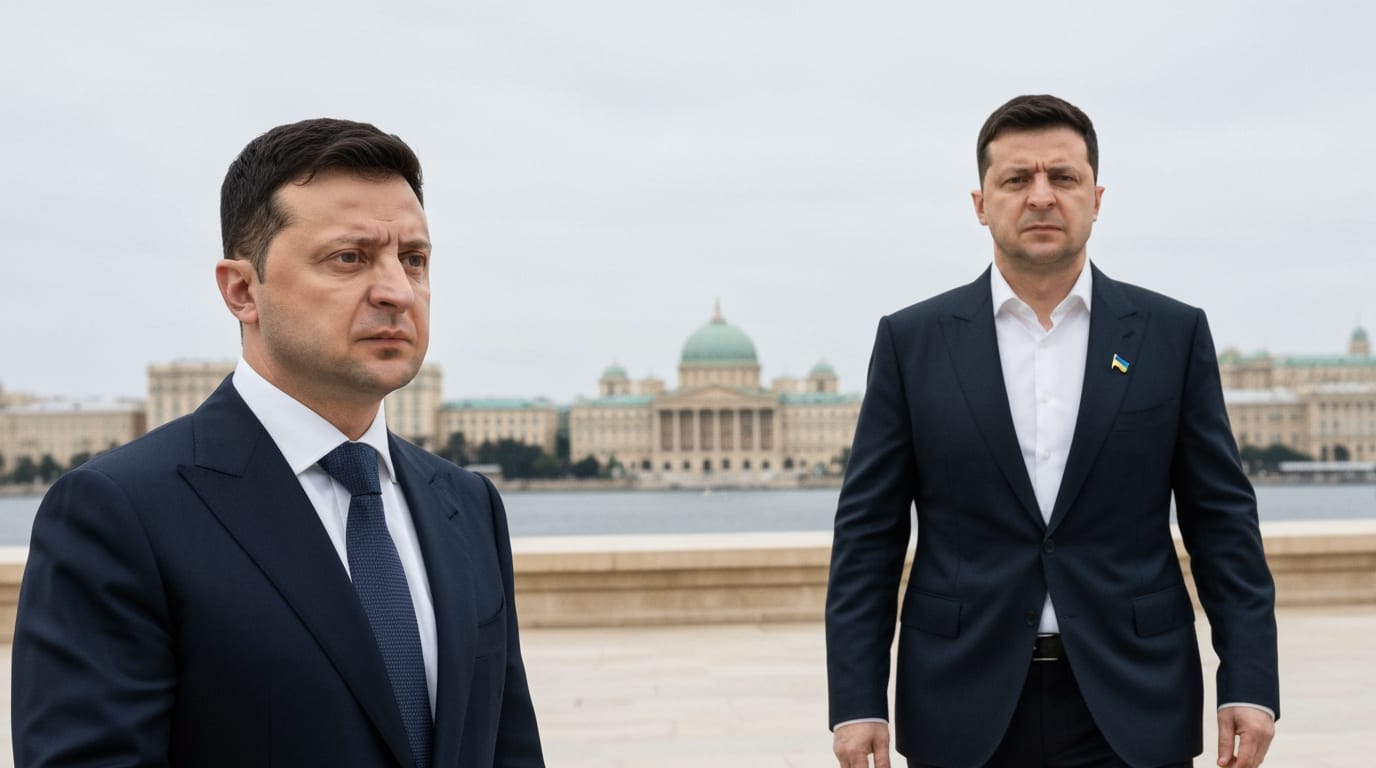
BAKU, Azerbaijan – Ukrainian President Volodymyr Zelenskyy has expressed a readiness to hold a new round of negotiations with Russia in Azerbaijan, provided that Moscow is prepared for genuine diplomacy. The significant offer, made during a joint press statement with Azerbaijani President Ilham Aliyev in Gabala on Friday, April 25, 2026, signals a continued, albeit cautious, pursuit of peace amidst the protracted conflict. Zelenskyy emphasized Ukraine's openness to a trilateral format, similar to previous discussions held in Turkey and with American partners in Switzerland, highlighting Azerbaijan's potential as a neutral ground for reconciliation.
President Zelenskyy’s statement comes during a visit focused on strengthening bilateral ties, particularly in "security and energy". He underscored the importance of partners mediating the negotiation process, stressing that "Ukraine highly values the role of partners in mediating the negotiation process". The proposal introduces a new potential pathway for dialogue, even as previous efforts to end the conflict have faltered due to deep-seated disagreements and a lack of mutual trust. The success of any future talks hinges critically on Russia’s willingness to engage constructively and move beyond its long-standing demands for territorial concessions and Ukraine’s capitulation.
A History of Stalled Diplomacy
The path to peace in the Russo-Ukrainian war has been fraught with challenges since Russia's full-scale invasion in February 2022. Early negotiations commenced swiftly, with the first meeting between Russian and Ukrainian officials held just four days after the invasion, on February 28, 2022, in Belarus. Subsequent rounds took place in Belarus and Antalya, Turkey, in March 2022. During these initial discussions, Russia's demands included Ukraine's surrender and guarantees it would never join NATO, while Ukraine sought a full withdrawal of Russian troops and security assurances.
However, these early negotiations ultimately collapsed. Key stumbling blocks included Russia's insistence on recognition of annexed territories, such as Crimea and parts of the Donbas region, and a proposed veto on Ukraine's defense policies. The revelations of atrocities, such as the Bucha massacre, also severely eroded Ukraine's trust in Russia's sincerity to negotiate in good faith. As Russia's battlefield position deteriorated, its negotiating terms reportedly became less demanding, including a willingness to discuss the status of Crimea. Despite various proposals, including Ukraine's 10-point peace plan presented at a G20 meeting, a mutually acceptable framework for peace has remained elusive. Russia has repeatedly refused calls for a ceasefire and President Vladimir Putin has spurned direct negotiations with Zelenskyy. Recent diplomatic efforts, some involving the United States, have also failed to yield a lasting agreement, with Russia often dismissing such talks.
Azerbaijan's Emerging Role as Mediator
The suggestion of Azerbaijan as a new venue for peace talks underscores its growing diplomatic significance and carefully cultivated foreign policy posture. Since the 2022 invasion, Azerbaijan has maintained a "well-balanced and multi-dimensional stance," rooted in international law and respect for state sovereignty. Crucially, Baku has consistently supported Ukraine's territorial integrity and has provided significant humanitarian aid, including medical supplies, food, clothing, energy equipment like transformers and generators, and assistance for infrastructure reconstruction and demining efforts, totaling over $42 million by July 2025. This consistent support, coupled with a pragmatic approach, positions Azerbaijan as a credible, if cautious, potential mediator.
President Zelenskyy's current visit to Azerbaijan has further solidified ties between Kyiv and Baku. On Friday, the two nations signed six bilateral agreements focusing on defense cooperation and joint industrial production. This deepening strategic partnership, along with Azerbaijan's long-standing energy contributions to Ukraine via SOCAR, suggests Baku could offer a unique platform for dialogue. While Azerbaijan has maintained relations with Russia, its robust support for Ukraine and its territorial integrity demonstrates a level of neutrality that could be conducive to sensitive peace discussions. The country's diplomatic distance from the Kremlin, especially following recent compensation issues between Baku and Moscow over a mistakenly downed Azerbaijani passenger plane in 2024, further solidifies its position as a potentially impartial host.
Challenges and Prospects for Peace
Despite the renewed offer of a negotiating venue, significant obstacles continue to impede a breakthrough in peace talks. Russia's core demands, including the recognition of its sovereignty over annexed regions, remain largely unacceptable to Ukraine, which seeks a full restoration of its territorial integrity. Ukraine's leadership has consistently emphasized that any lasting peace must involve the complete withdrawal of Russian troops and accountability for war crimes. The chasm between these fundamental positions has prevented any meaningful progress in previous discussions.
The human cost of the conflict continues to mount, with prisoner exchanges often being the only visible area of cooperation between Moscow and Kyiv. While Ukraine has demonstrated a willingness to engage in dialogue, the critical determinant for future negotiations lies with Russia. As Zelenskyy stated, Ukraine is ready for talks "if Russia is ready for diplomacy". This condition highlights the deep skepticism regarding Russia's genuine commitment to a diplomatic resolution, particularly given its past actions and stated war aims which extend beyond the currently occupied territories. The international community remains hopeful for a peaceful resolution, with various countries attempting to facilitate discussions. However, until Russia signals a verifiable shift in its negotiating stance, the prospect of successful peace talks, even in a new location like Azerbaijan, will remain a formidable challenge.
The proposal to convene talks in Azerbaijan represents a fresh diplomatic initiative in a conflict that has defied resolution for over two years. While the venue itself might be amenable, the substantive issues at the heart of the conflict remain as complex and intractable as ever. The coming months will reveal whether this new offer can break the diplomatic deadlock or if it, like many before it, will ultimately founder on the shores of geopolitical realities and unyielding demands.


