Karnataka Legislative Assembly Passes Landmark Hate Speech Bill Amid Heated Debates
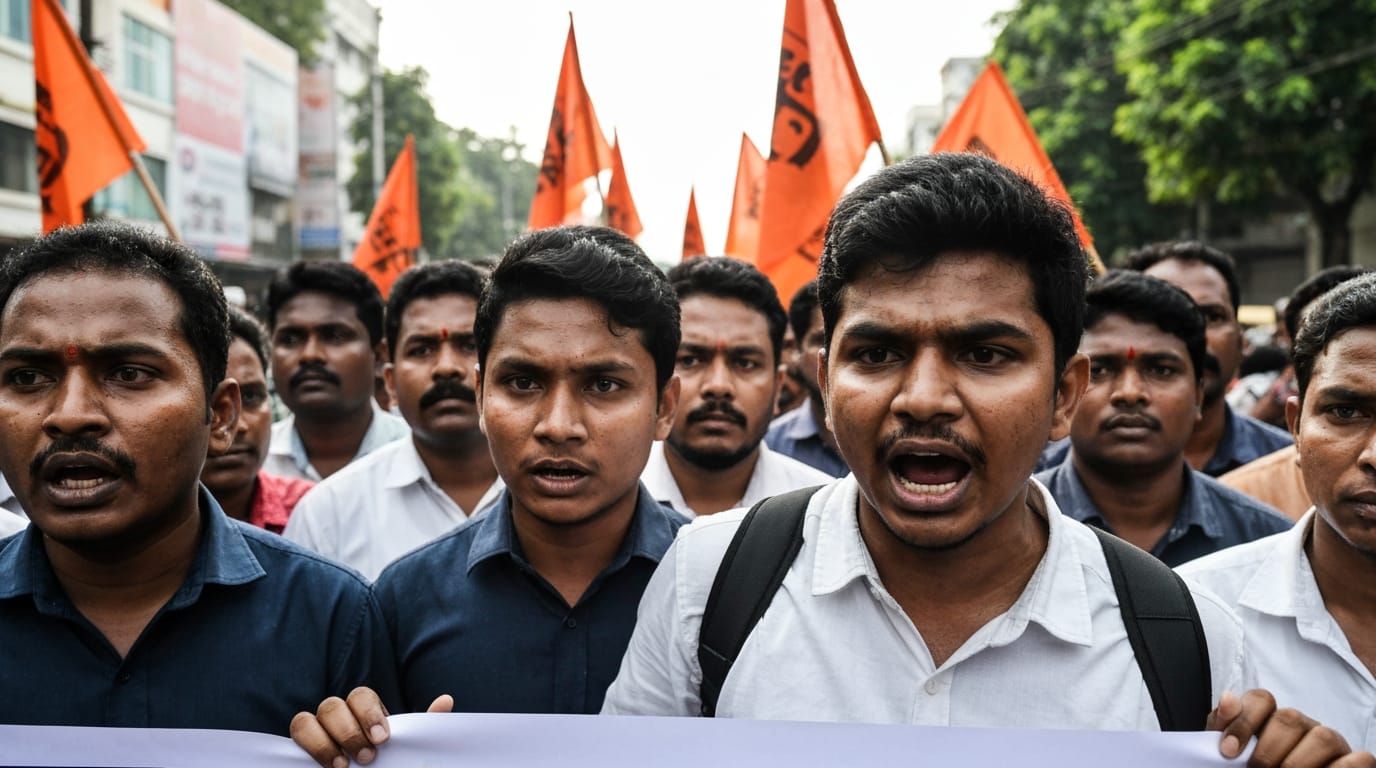
Belagavi, Karnataka – In a significant legislative development, the Karnataka Legislative Assembly on Thursday passed the Karnataka Hate Speech and Hate Crimes (Prevention) Bill, 2025, a pioneering piece of legislation designed to combat the rising tide of communal disharmony and inflammatory rhetoric within the state. The bill, which now awaits further procedural steps to become law, introduces stringent penalties for individuals and organizations found guilty of propagating hate speech, marking Karnataka as the first state in India to enact a specific law explicitly defining and addressing hate speech. Its passage, however, was not without considerable opposition, highlighting the complex balance between maintaining public order and safeguarding fundamental freedoms.
The Legislative Push and Core Provisions
The journey of the Karnataka Hate Speech and Hate Crimes (Prevention) Bill, 2025, commenced with its clearance by the state cabinet on December 4, before being presented in the Assembly on December 10 by Home Minister G. Parameshwara. The Congress government, which spearheaded the bill, emphasized its necessity as a crucial tool for upholding constitutional ideals and preventing discrimination based on religion, race, caste, gender, language, and other protected grounds. Proponents argued that existing laws, such as provisions within the Bharatiya Nyaya Sanhita (BNS), primarily address hate crimes reactively and lack the proactive mechanisms required to tackle speech that incites violence and disharmony. The bill's introduction was also influenced by a Supreme Court judgment that stressed the need to deal firmly with attempts to spread communal hatred, with Minister Parameshwara referencing instances of murders and clashes stemming from hate speech as evidence of the urgent need for this legislation.
At its core, the bill broadly defines "hate speech" as any expression – whether spoken, written, visual, or electronic – made with the intent to cause injury, disharmony, enmity, or ill-will against an individual, group, or community. These protected categories are extensive, encompassing religion, race, caste, gender, sexual orientation, place of birth, disability, and tribe. A "hate crime" is further defined as the communication of such hate speech, including acts of promoting, propagating, inciting, or abetting it. The bill classifies violations as cognizable and non-bailable offenses, triable at the court of a Judicial Magistrate First Class.
The punitive measures outlined in the bill are notably severe. First-time offenders face imprisonment ranging from one to seven years, coupled with a fine of Rs 50,000. For repeat offenses, the punishment escalates to a minimum of two years and can extend up to seven years, along with a fine of Rs 1 lakh. A significant provision also introduces "collective liability," holding organizations accountable for hate speech committed under their purview, with individuals in charge deemed guilty and liable for prosecution. Furthermore, the legislation empowers the government to order the removal or blocking of hate speech content from online platforms and mandates compensation for victims of hate crimes. Exemptions are provided for acts done in good faith or for public interest.
A Backdrop of Communal Tensions
The legislative initiative comes against a backdrop of increasing communal polarization and a series of incidents that have underscored the fragility of social cohesion in Karnataka. The state has witnessed various forms of communal discord, from acts of vigilantism to inflammatory online rhetoric targeting minority communities. The government cited specific communal incidents, including a killing in Mangaluru, as part of the rationale behind introducing the bill. By introducing a comprehensive legal framework, the government aims to proactively address these issues, rather than merely reacting to their consequences. The Home Minister stressed that the legislation is not intended to curb democracy but to protect the vulnerable sections of society and maintain peace and order across the state.
The bill reflects a broader national debate on hate speech, positioning Karnataka's move as a potential model for other states grappling with similar challenges. Officials have articulated that beyond punishment, the law seeks to foster a culture of responsible speech and communal tolerance.
Fierce Opposition and Concerns Over Freedoms
The passage of the bill was met with fierce opposition, particularly from Bharatiya Janata Party (BJP) MLAs, who staged protests during the Assembly proceedings. Opposition Leader R. Ashok tore a copy of the bill, vehemently criticizing it as "Hitlerian" and an infringement on the freedom of expression. Critics voiced serious concerns that the bill could be weaponized by the ruling party to silence political dissent and target opposition voices, drawing parallels to the Emergency era. BJP state president B.Y. Vijayendra explicitly stated fears that the law would be used to muzzle the opposition and even individuals expressing dissent on social media.
A primary point of contention revolves around the perceived vagueness in the definitions of "hate crime" and "disharmony" within the bill. Opponents argued that such broad interpretations could lead to arbitrary application, potentially criminalizing everyday speech or even the quoting of religious texts that might contain passages interpreted as violent. There are also fears that journalists could face unwarranted legal action under the new law.
Legal experts and civil liberties advocates have also raised alarms regarding the bill's stringent penalties, which are harsher than those prescribed under the Bharatiya Nyaya Sanhita for similar offenses. The "non-bailable" nature of the offense and extended imprisonment terms contradict the "bail, not jail" principle often emphasized by the Supreme Court for offenses carrying less than seven years imprisonment. Furthermore, the provision granting the government powers to block online content has sparked concerns about censorship and the potential for bureaucratic hurdles in challenging such directives. Critics contend that the existing legal framework is adequate, and the issue lies more with insufficient investigation and prosecutorial incompetence rather than a lack of legislation. The introduction of collective liability has also drawn criticism, with concerns that it could be used to target civil society groups, advocacy collectives, and media organizations, thereby stifling democratic participation.
Implications and the Path Forward
The Karnataka Hate Speech and Hate Crimes (Prevention) Bill, 2025, represents a bold and contentious move by the state government to address a pressing societal issue. While its stated aim is to curb divisive rhetoric and promote social harmony, the debate surrounding its passage underscores the delicate balance between state power and individual liberties. The effectiveness of the law will ultimately depend on its judicious implementation, the clarity of its interpretation by legal authorities, and the safeguards in place to prevent its misuse.
As Karnataka steps into uncharted legal territory with this legislation, its impact on freedom of expression, political discourse, and social cohesion will be closely scrutinized. The coming months will reveal whether the bill successfully achieves its stated objectives of fostering tolerance and preventing hate-driven offenses, or if it inadvertently curtails legitimate dissent and becomes a tool for political suppression, as feared by its critics. The state's experience will undoubtedly contribute significantly to the national discourse on how best to tackle hate speech in a diverse and democratic society.


