Kenya Mourns the Loss of Craig, Legendary Super Tusker and Conservation Icon
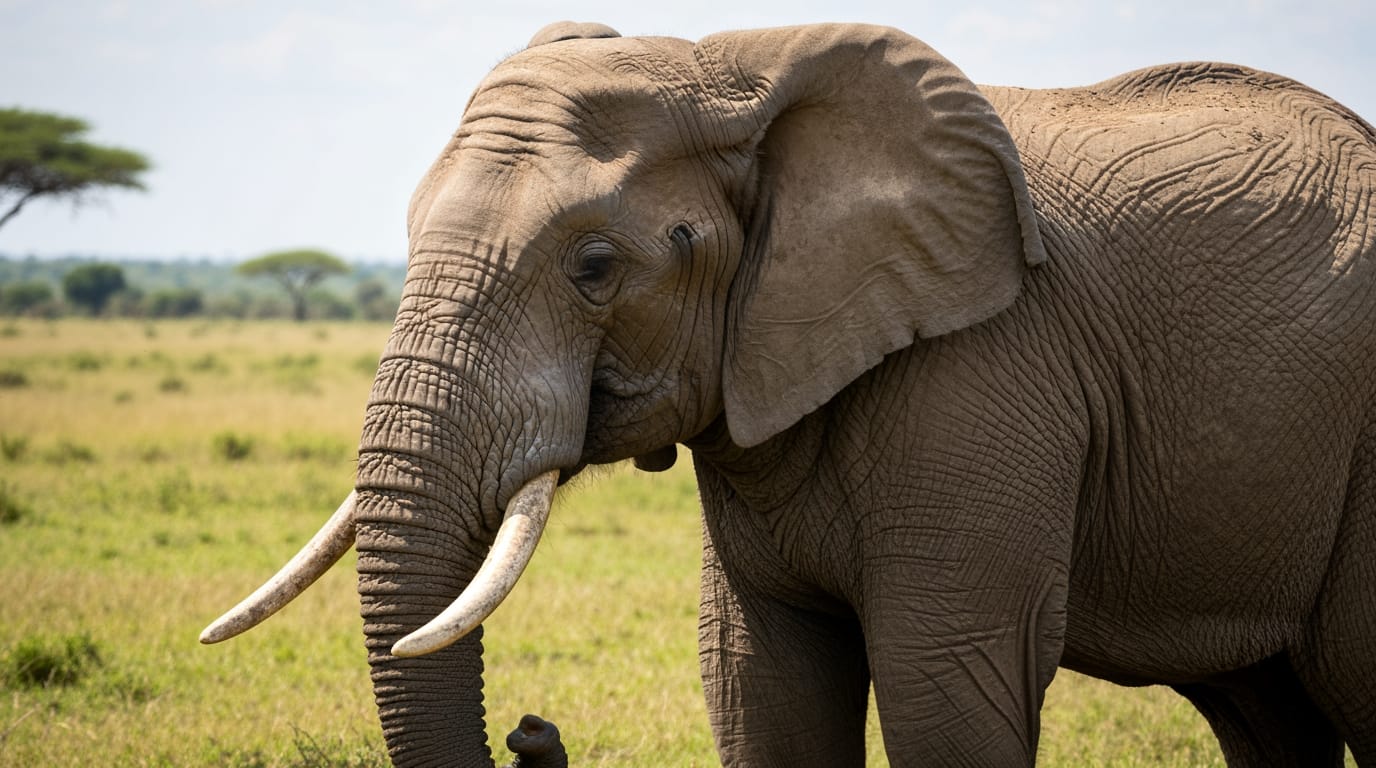
NAIROBI, Kenya – Kenya and the global conservation community are in mourning following the death of Craig, one of Africa's last remaining "super tuskers," an elite class of elephants renowned for their extraordinarily long, ground-sweeping tusks. The majestic bull elephant, celebrated worldwide as a symbol of wildlife conservation and resilience, passed away peacefully at the age of 54 on Saturday, January 3, 2026, in Amboseli National Park. His passing, attributed to natural causes and health issues related to old age, marks the end of an era for the iconic Kenyan landscape and underscores the urgent, ongoing need to protect these magnificent creatures.
The Gentle Giant's Farewell
Craig’s demise was met with an outpouring of grief across Kenya and beyond, as individuals and organizations paid tribute to an animal whose life embodied the triumphs and challenges of African wildlife conservation. For two weeks leading up to his death, Craig had been under continuous veterinary observation in Amboseli National Park after being diagnosed with acute constipation and other age-related ailments. The Kenya Wildlife Service (KWS) and the Amboseli Trust for Elephants confirmed his peaceful passing, expressing gratitude for the efforts that allowed him to live out his natural life in the wild. His long life was a testament to decades of unwavering protection, including anti-poaching patrols, habitat preservation, and robust partnerships with local communities, proving that dedicated conservation efforts can yield significant results. Social media platforms were flooded with tributes, photographs, and personal anecdotes, illustrating how deeply Craig had resonated with the public as a living embodiment of Kenya's natural heritage.
A Life of Majesty and Resilience in Amboseli
Born in January 1972 to Cassandra, the matriarch of Amboseli's formidable CB elephant family, Craig spent his entire life roaming the vast plains of Amboseli National Park, a protected area in southern Kenya famed for its diverse ecosystems and stunning views of Mount Kilimanjaro. What set Craig apart was his status as a "super tusker," a rare designation given to bull elephants whose tusks each weigh more than 45 kilograms (approximately 100 pounds). His tusks were not only impressive in their weight, estimated to exceed 50 kilograms each, but also in their magnificent length, often sweeping the ground as he walked, a sight that captivated countless visitors and photographers. Indeed, Craig was widely considered to possess the largest tusks of any living elephant and was regarded as one of the most photographed elephants globally.
Beyond his striking physical attributes, Craig was equally renowned for his remarkably calm, gentle, and dignified demeanor. Unlike many wild elephants, he often allowed visitors to approach, patiently pausing as cameras clicked and videos rolled, transforming him into an unwitting ambassador for Amboseli. This serene disposition, coupled with his immense size, made him a truly unforgettable spectacle for tourists and researchers alike. His survival through periods when elephant populations across East Africa were decimated by poaching, particularly during the 1970s and 1980s when Kenya's elephant numbers plummeted from over 160,000 to fewer than 20,000, cemented his status as a beacon of hope and a testament to successful protective measures.
Craig's Enduring Legacy in Conservation
Craig's significance extended far beyond his individual presence. As one of Africa's critically few super tuskers—a population now estimated to be fewer than 30 across the entire continent—he represented a vanishing lineage whose genetic traits are crucial for the species' long-term survival. Decades of selective poaching have, in many regions, led to a genetic shift towards smaller-tusked or even tuskless elephants, making the preservation of Craig's powerful bloodline invaluable. Through his numerous offspring, Craig ensured that his unique genes and gentle temperament would be passed on to future generations, contributing directly to the genetic diversity and resilience of the Amboseli elephant population.
His life also highlighted the crucial role of collaborative conservation. The Kenya Wildlife Service, working in conjunction with conservation partners like the Amboseli Trust for Elephants and local Maasai communities in Kajiado County, provided the sustained protection necessary for Craig to thrive. This integrated approach, combining anti-poaching patrols, habitat management, and community engagement, allowed Craig to live freely and safely, setting an example for wildlife management globally. Craig also became a focal point for conservation awareness and finance; in 2021, East African Breweries Limited adopted him through its popular Tusker beer brand, underscoring the growing importance of private-sector partnerships in supporting wildlife protection efforts across Africa.
The Future of African Giants
Craig's passing is a poignant reminder of the fragility of Africa's super tuskers and the ongoing challenges faced by elephant populations. While Kenya has seen encouraging progress in recent years, with the national elephant population growing from 36,280 in 2021 to 42,072 in 2025, the threat of poaching, human-wildlife conflict, and habitat loss persists. Super tuskers, in particular, remain highly vulnerable targets for the illegal ivory trade due to the sheer size of their tusks.
However, Craig's life story is also one of immense hope and the power of dedicated conservation. His ability to survive and thrive for over five decades in the wild, guiding younger bulls and contributing to the ecosystem as an "engineer," showcases the vital social and ecological roles these magnificent animals play. His memory will undoubtedly inspire continued efforts to safeguard the remaining super tuskers and their habitats. As Amboseli and the world bid farewell to this gentle giant, his legacy lives on in his offspring, the awareness he generated, and the robust conservation frameworks that protected him, serving as a powerful testament to the enduring commitment required to secure a future for Africa's iconic wildlife. The story of Craig is a compelling call to action, urging sustained global support for the preservation of these irreplaceable natural treasures.


