Swiss Bar Managers Face Criminal Probe After Deadly New Year’s Blaze Claims 40 Lives
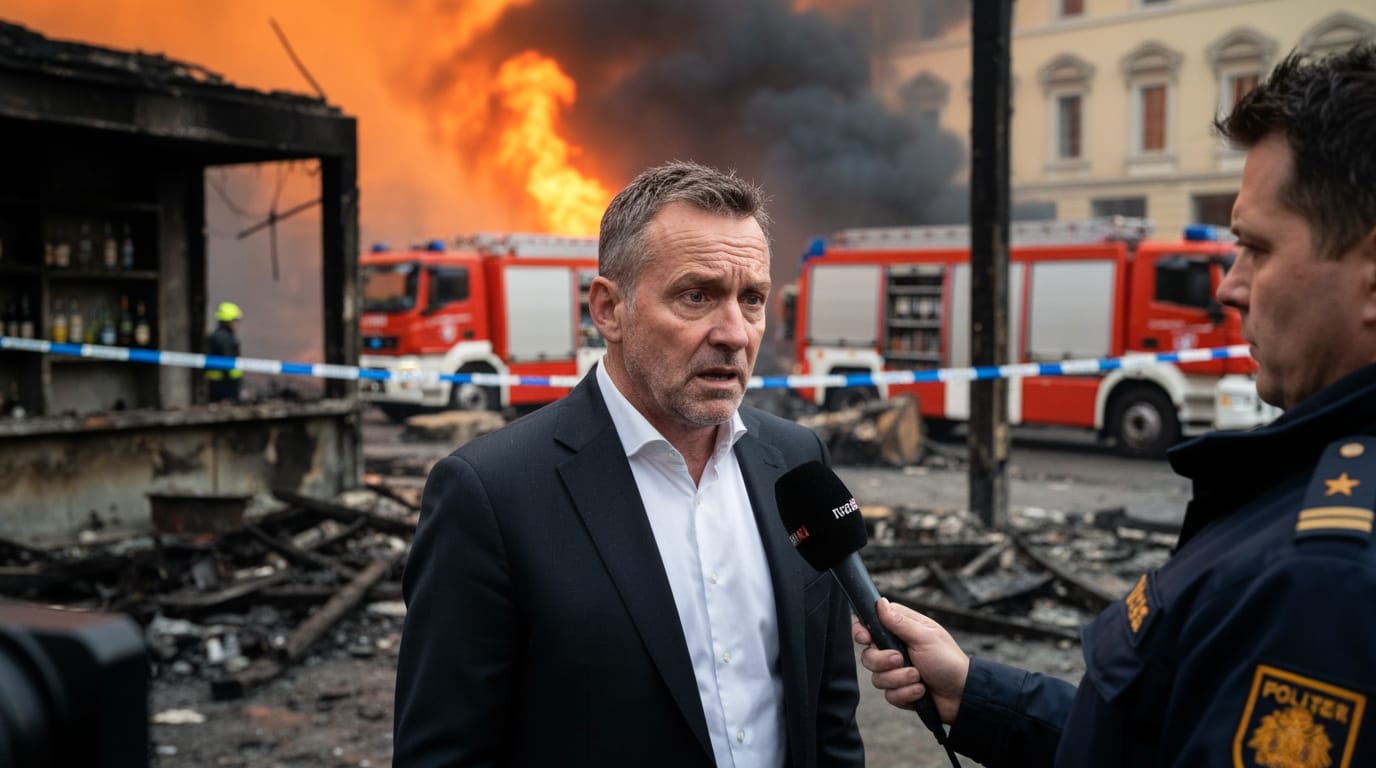
Crans-Montana, Switzerland – A devastating fire that ripped through a popular New Year's Eve celebration at Le Constellation bar in the Swiss Alpine resort of Crans-Montana has led to a criminal investigation into the establishment's managers. The inferno, which occurred in the early hours of January 1, 2026, claimed the lives of 40 individuals and left 119 others injured, many severely, casting a somber shadow over the start of the new year. Authorities are now probing potential negligence, with the tragic event raising serious questions about fire safety protocols in nightlife venues across the country.
Night of Celebration Turns to Tragedy
The festive atmosphere at Le Constellation bar, a venue popular with a young clientele, rapidly descended into chaos around 1:30 AM on Thursday, January 1, 2026. Initial investigations suggest that sparklers, reportedly attached to champagne bottles as part of the celebrations, ignited sound-dampening material on the bar's low ceiling. Footage from partygoers reportedly showed the sparklers coming into contact with insulation material, and some witnesses described a barman carrying a lit candle in a bottle that ignited the wooden ceiling. The fire spread with alarming speed, triggering what experts describe as a "flashover," where combustible gases ignite violently, engulfing the crowded space in flames.
The immediate aftermath was one of panic and desperation. Accounts describe people struggling to escape from the basement level, which functioned as a music and dance venue, up a single narrow staircase and through a solitary door. Many victims, mostly in their teens to mid-20s, sustained severe burns, making identification a painful and lengthy process for relatives now facing an agonizing wait for news. The intensity of the blaze resulted in 40 fatalities, with an additional 119 people injured, necessitating the transfer of many to hospitals beyond the Valais canton as local intensive care units quickly reached capacity. Tributes, including candles and cuddly toys, have since appeared near the sealed-off bar, a stark reminder of the lives lost.
Criminal Investigation Targets Bar Management
In the wake of the disaster, Swiss authorities have launched a formal criminal investigation into the managers of Le Constellation bar. The two managers, identified as a French couple, Jacques and Jessica Moretti, were questioned by investigators. Jessica Moretti was reportedly present at the venue during the fire and sustained burns. The Valais canton prosecutor's office has stated that the managers are suspected of negligent homicide, negligent bodily harm, and causing fire by negligence. Valais Attorney General Beatrice Pilloud confirmed that while there was no initial penal liability, the investigation would thoroughly examine the circumstances surrounding the tragedy.
The scope of the investigation extends to critical safety aspects. Authorities will determine whether the use of sparklers was permitted inside the bar and if the sound-dampening materials on the ceiling complied with existing regulations. Questions have also been raised about the adequacy of fire extinguishers and the number and accessibility of escape routes. The bar's basement, where the fire originated, was reportedly classified as a "lounge" rather than a "nightclub," a distinction that Swiss media suggest could have subjected it to less stringent fire safety regulations.
Scrutiny on Safety Regulations and Compliance
The tragic events have brought Switzerland's generally strict fire safety regulations under intense scrutiny. Swiss planning laws typically mandate that public venues with a capacity exceeding 200 people must have multiple exits. Le Constellation, with a stated capacity of 300 people, reportedly had only one narrow staircase connecting its ground floor to the basement where the fire began, potentially hindering evacuation efforts.
Furthermore, Swiss regulations require furnishings in public venues to be certified as non-flammable, and any interior pyrotechnics to receive explicit permission under very strict conditions. Investigators are now assessing whether these requirements were met and if the acoustic foam on the ceiling adhered to fire-retardant standards. Local residents reportedly described safety standards at Le Constellation as lax, with one suggesting that "people used to smoke inside; you could do whatever you wanted." This public perception contrasts sharply with the expectation of high safety standards in Swiss establishments.
The Valais region's top security official, Stéphane Ganzer, acknowledged the severity of the incident, stating that such a "huge accident with a fire in Switzerland means that something didn't work — maybe the material, maybe the organization on the spot." The investigation will aim to clarify not only the immediate cause but also any systemic failures in oversight or compliance that contributed to the devastating loss of life.
Broader Implications and Call for Accountability
The Crans-Montana fire has drawn parallels to other global nightclub tragedies, such as the 2001 Volendam fire in the Netherlands and the 2003 Station nightclub fire in the United States, all of which highlighted the critical importance of stringent fire safety measures, non-flammable materials, and clear, accessible escape routes in crowded venues. These incidents often lead to tightened regulations and increased enforcement.
The ongoing criminal investigation underscores the gravity with which Swiss authorities are approaching the incident. Should criminal liability be established, the managers could face significant penalties under Swiss law for negligent offenses, including custodial sentences or monetary penalties, particularly if their negligence endangered lives.
As investigators meticulously piece together the events of that fateful New Year's night, the focus remains on ensuring accountability and preventing future tragedies. The Crans-Montana fire serves as a stark and painful reminder of the potentially catastrophic consequences when safety regulations are overlooked or circumvented, particularly in places designed for public recreation and celebration. The findings of this investigation will likely have far-reaching implications for safety protocols in hospitality venues across Switzerland and beyond.


