Ukraine's Fight for Focus: Zelenskyy Seeks Steadfast Support from Macron Amid Mideast Turmoil
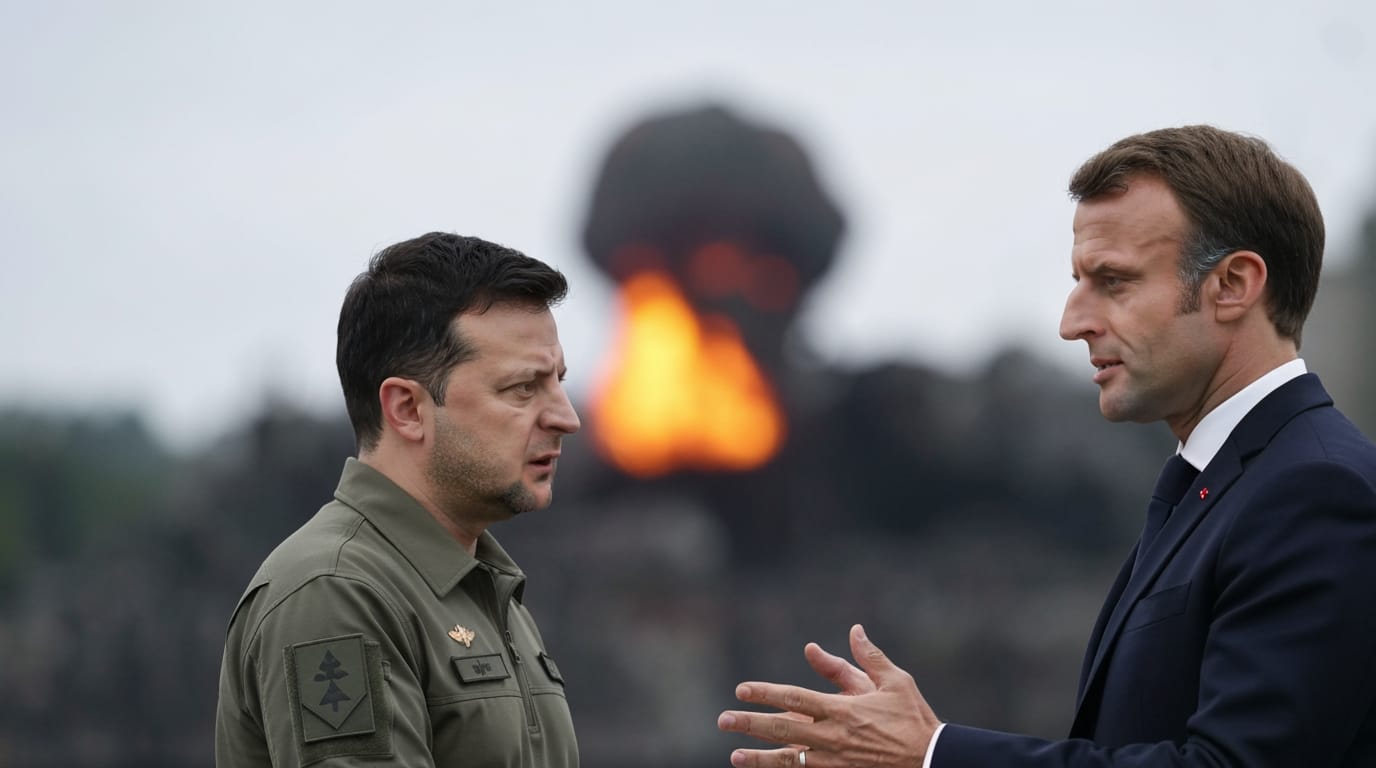
PARIS, FRANCE – Ukrainian President Volodymyr Zelenskyy arrived in Paris on Friday, March 13, 2026, for critical talks with French President Emmanuel Macron, aiming to shore up vital support for Kyiv as a burgeoning conflict involving Iran increasingly threatens to eclipse the nearly four-year-old war in Eastern Europe. The meeting underscores a growing concern in Kyiv and among its Western allies: the escalating tensions in the Middle East risk diverting crucial military aid, financial resources, and diplomatic attention away from Ukraine's existential struggle against Russian aggression.
Zelenskyy’s unscheduled visit to the Élysée Palace comes at a precarious moment for Ukraine, which is grappling with acute shortages of air defense missiles and awaiting a substantial financial aid package from the European Union. The Ukrainian leader's itinerary included seeking "reassurances of support" from one of Kyiv's most pivotal Western partners, according to sources close to the discussions. The broader diplomatic landscape is one where, despite unwavering public commitments, the sustained focus on Ukraine is being tested by new geopolitical realities.
A Crucial Appeal for Continued Aid
The core of President Zelenskyy’s agenda in Paris centered on reinforcing Ukraine's defense capabilities and securing concrete commitments for future assistance. In recent statements, Zelenskyy has emphasized that each international meeting must yield tangible outcomes, specifically new air defense decisions, fresh aid packages, and enhanced opportunities to protect Ukrainian skies. This urgency is amplified by the relentless Russian strikes against Ukrainian territory, making robust air defense a paramount concern for Kyiv.
French President Macron, a staunch advocate for Ukraine, aimed to reaffirm France and Europe's "unwavering support". A French presidency official stressed ahead of the visit that "nothing – no crisis, no development – will divert our attention from Ukraine, which remains for us a major security issue". Discussions between the two leaders were expected to cover Ukraine's immediate military and humanitarian needs, as well as the longer-term prospects for establishing peace in Europe. These talks also align with ongoing efforts to broker a potential ceasefire in the protracted conflict, an effort that has seen a flurry of diplomatic activity involving various international actors.
The Expanding Shadow of the Iran War
The primary challenge overshadowing the Franco-Ukrainian discussions is the escalating conflict involving Iran. For months, international observers have warned that a significant widening of hostilities in the Middle East could inevitably command the attention of global policymakers, potentially relegating the war in Ukraine to a more regional concern in the eyes of some distant capitals. This shift in focus is not merely conceptual; it carries profound practical implications for Kyiv.
One of the most immediate concerns is the potential impact on the supply of critical weaponry, particularly air defense systems. Zelenskyy has publicly warned that Ukraine’s already acute shortage of air defense missiles will likely be exacerbated by the widening Middle East conflict. He recently highlighted that Gulf Arab states have utilized more PAC-3 air defense missiles against Iranian attacks in a matter of days than Kyiv has received from Washington over four years, a stark illustration of the diversion of military resources. This reallocation of defensive assets poses a significant threat to Ukraine’s ability to protect its cities and infrastructure from Russian aerial assaults.
Beyond military hardware, the Iran conflict also introduces considerable financial strain. The unrest has contributed to a surge in global oil prices, inadvertently bolstering Russia’s revenue streams at a time when Ukraine is struggling financially. Compounding this, a proposed 90-billion-euro loan from the European Union, intended to provide Kyiv with crucial funding for weapons and other necessities, has yet to be finalized. This financial uncertainty, coupled with rising energy costs, paints a challenging economic picture for Ukraine.
Iran's Direct Role in the Ukrainian Conflict
Adding another layer of complexity to the international landscape is Iran's direct, documented involvement in the war against Ukraine. Since the full-scale Russian invasion in February 2022, Iran has provided significant military support to Moscow, most notably through the supply of advanced uncrewed aerial vehicles (UAVs), specifically the Shahed 131 and Shahed 136 loitering munitions. These Iranian-made drones have been extensively used by Russian forces to target Ukrainian cities and critical infrastructure, resulting in numerous casualties.
The diplomatic fallout from this alliance has been severe. Ukraine has formally designated Iran's Islamic Revolutionary Guard Corps (IRGC) as a terrorist organization, citing their support for Russia and their violent suppression of domestic protests. French President Macron has previously engaged his Iranian counterpart, Ebrahim Raisi, urging Tehran to "immediately end" its military support for Russia’s "war of aggression" against Ukraine, emphasizing the severe "security and humanitarian consequences" of Iran's drone deliveries. The White House has also reported on Russia's acquisition of these drones, with some intelligence suggesting plans for a drone factory to be built on Russian territory with Iranian materials.
Navigating a Shifting Diplomatic Landscape
President Zelenskyy's visit to Paris is part of a broader, intensified diplomatic push by Kyiv to maintain global solidarity and secure a "just and lasting peace". The discussions in Paris followed a meeting between Ukrainian and U.S. officials in Florida, described as productive, aimed at refining a proposed U.S.-backed peace plan. However, this plan has drawn criticism from some European allies who voiced concerns that certain tenets might disproportionately favor Russian demands.
Macron, for his part, has consistently advocated for robust security guarantees for Ukraine in any future peace settlement, going as far as endorsing the deployment of a "reassurance force" on land, at sea, and in the air to ensure Ukraine's long-term security. The complexity of the current geopolitical environment, with the Middle East increasingly demanding global attention, necessitates a delicate balancing act for Western leaders. Turkish President Recep Tayyip Erdogan has also stressed that efforts to end the war in Ukraine should not be sidetracked by the widening conflict involving Iran. Similarly, Latvian President Edgars Rinkevics asserted that the war in Iran must not overshadow military and financial support for Ukraine. These statements reflect a shared recognition of the dual challenges facing the international community.
Conclusion: A Persistent Call for Unwavering Support
The meeting between Presidents Zelenskyy and Macron in Paris underscores the critical juncture at which the war in Ukraine now stands. While France and other European allies reiterate their steadfast commitment, the shadow cast by the escalating conflict in the Middle East is undeniable. Ukraine's ability to defend itself, particularly in terms of air defense and financial stability, is increasingly vulnerable to the diversion of global resources and attention.
As diplomatic efforts continue to seek a pathway to a "truly reliable peace" for Ukraine, leaders like Macron face the formidable task of maintaining international focus on Kyiv's plight amidst multiple, overlapping global crises. The outcome of this balancing act will significantly influence not only the trajectory of the war in Ukraine but also the broader geopolitical stability of Europe and beyond. The international community's capacity to address both crises concurrently, without allowing one to overshadow the other, remains a defining challenge of the current era.


