European Advisers Convene in Kyiv to Chart Future Path for Ukraine Amid Intensified Diplomatic Efforts
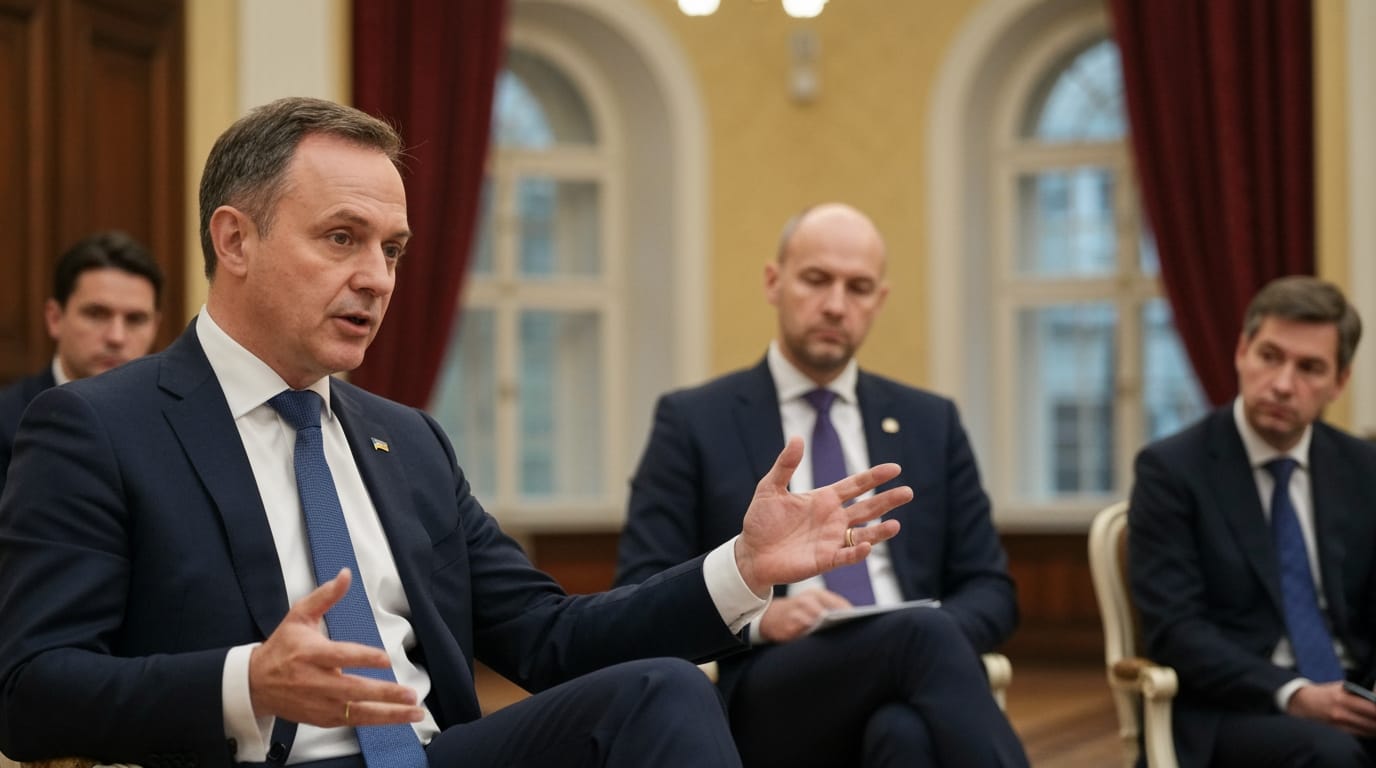
KYIV, Ukraine – Top national security advisors and high-level representatives from numerous European nations, alongside officials from NATO, the European Council, and the European Commission, converged in Kyiv today, January 3, 2026, for crucial discussions aimed at coordinating further steps in support of Ukraine. This high-stakes gathering underscores the international community's sustained commitment to Kyiv's defense, economic stability, and Euro-Atlantic integration amidst ongoing conflict.
The meetings, part of an accelerated diplomatic push, bring together delegates from a "Coalition of the Willing" that includes Germany, the United Kingdom, France, Italy, Spain, Latvia, Estonia, Lithuania, Poland, Finland, Canada, the Netherlands, Sweden, and Norway, with Danish representatives also participating. The United States delegation is joining the pivotal talks virtually, highlighting the breadth of international engagement. Ukraine's National Security and Defense Council Secretary, Rustem Umerov, emphasized the busy agenda, which is set to cover pressing security and economic issues, the development of framework documents, and the close coordination of future actions with international partners.
Intensified Diplomatic Landscape
Today's discussions follow a series of significant diplomatic engagements initiated by Ukrainian President Volodymyr Zelenskyy. On December 30, Zelenskyy announced these early January meetings, signaling a renewed push to maintain diplomatic momentum. Just days prior, on December 28, President Zelenskyy met with U.S. President Donald Trump in Florida, where a draft agreement outlining security guarantees for Ukraine and a 20-point peace plan were central to their talks. These preceding dialogues set the stage for the current Kyiv gathering, which is seen as a critical preparatory step for a subsequent leader-level meeting of the Coalition of the Willing scheduled for January 6 in Paris.
President Zelenskyy has articulated a clear expectation for these meetings: to ensure productivity, increase support, and foster greater political confidence in both security guarantees and a comprehensive peace agreement. The emphasis on security guarantees is particularly pertinent, as Ukraine seeks robust assurances against future aggression, a central component of any potential long-term peace settlement. While the peace negotiations, including those initiated by President Trump, have been ongoing for weeks, a resolution to the nearly four-year-long conflict remains elusive, primarily due to Russia's demands for territorial concessions, which Kyiv steadfastly rejects.
Core Agenda: Security, Economy, and Reforms
The comprehensive agenda for the Kyiv consultations reflects the multifaceted challenges facing Ukraine. Beyond immediate security concerns related to the conflict, economic stability and long-term reforms are paramount. Discussions are anticipated to delve into strengthening Ukraine's defense capabilities, coordinating military aid, and ensuring sustained financial assistance. This aligns with the broader European commitment, exemplified by the European Union's approval of a €90 billion interest-free loan program for Ukraine's needs in 2026 and 2027, signaling Europe's readiness to bear a significant portion of the financial responsibility.
Moreover, the meetings will address the intricate process of Ukraine's integration into European structures. The European Union Advisory Mission (EUAM) Ukraine, active since 2014, continues to play a vital role in this regard. EUAM focuses on advising and supporting Ukrainian authorities in reforming its civilian security sector, promoting good governance, rule of law, and human rights in line with EU standards. Its mandate was notably adjusted in 2022 to facilitate the investigation and prosecution of international crimes and support the re-establishment of government functions in liberated territories, with a reinforced mandate extended until May 2027. Projects like the €8 million initiative to stabilize liberated territories, providing essential equipment and training to law enforcement agencies, underscore the practical support being rendered.
The Path to EU Accession and Long-Term Stability
Ukraine's aspiration for full membership in the European Union forms a significant backdrop to these discussions. European Commission President Ursula von der Leyen has articulated that Ukraine's accession to the EU is a "key security guarantee" against Russia, emphasizing the long-term benefits of such expansion for both Ukraine and the broader European continent. While Ukraine officially submitted its application for EU membership shortly after the full-scale invasion in February 2022 and received candidate status in June 2022, the path to accession involves rigorous reform.
A ten-point reform plan for 2026 has been agreed upon by EU ministers, focusing on strengthening institutions, progressing in 'Fundamentals' like rule of law and public administration, and advancing towards EU membership. This demonstrates Ukraine's determination and the EU's commitment to providing necessary political, financial, and technical assistance. The EU has also extended temporary protection for over four million Ukrainian refugees until March 2026 and implemented the Ukraine Facility, providing up to €50 billion in grants and loans for 2024-2027 to support macroeconomic stability, recovery, and modernization aligned with EU rules. These ongoing efforts are crucial for Ukraine's long-term stability and its ability to withstand external pressures.
Conclusion: A Unified European Front
The convergence of European national security advisors in Kyiv today serves as a powerful demonstration of a unified and proactive European front in supporting Ukraine. The intensive diplomatic calendar for early 2026, encompassing meetings at advisor and leader levels, reflects a strategic commitment to not only address immediate security and economic needs but also to solidify Ukraine's long-term integration into the European family. As discussions progress on security guarantees, economic assistance, and comprehensive reforms, the international community reiterates its unwavering resolve to stand with Ukraine, aiming for a just and lasting peace that upholds its sovereignty, territorial integrity, and democratic future. These coordinated efforts are critical in navigating the complexities of the ongoing conflict and laying the groundwork for Ukraine's post-war recovery and a more secure European continent.