Cuba Announces Release of 51 Prisoners in Vatican-Brokered Agreement
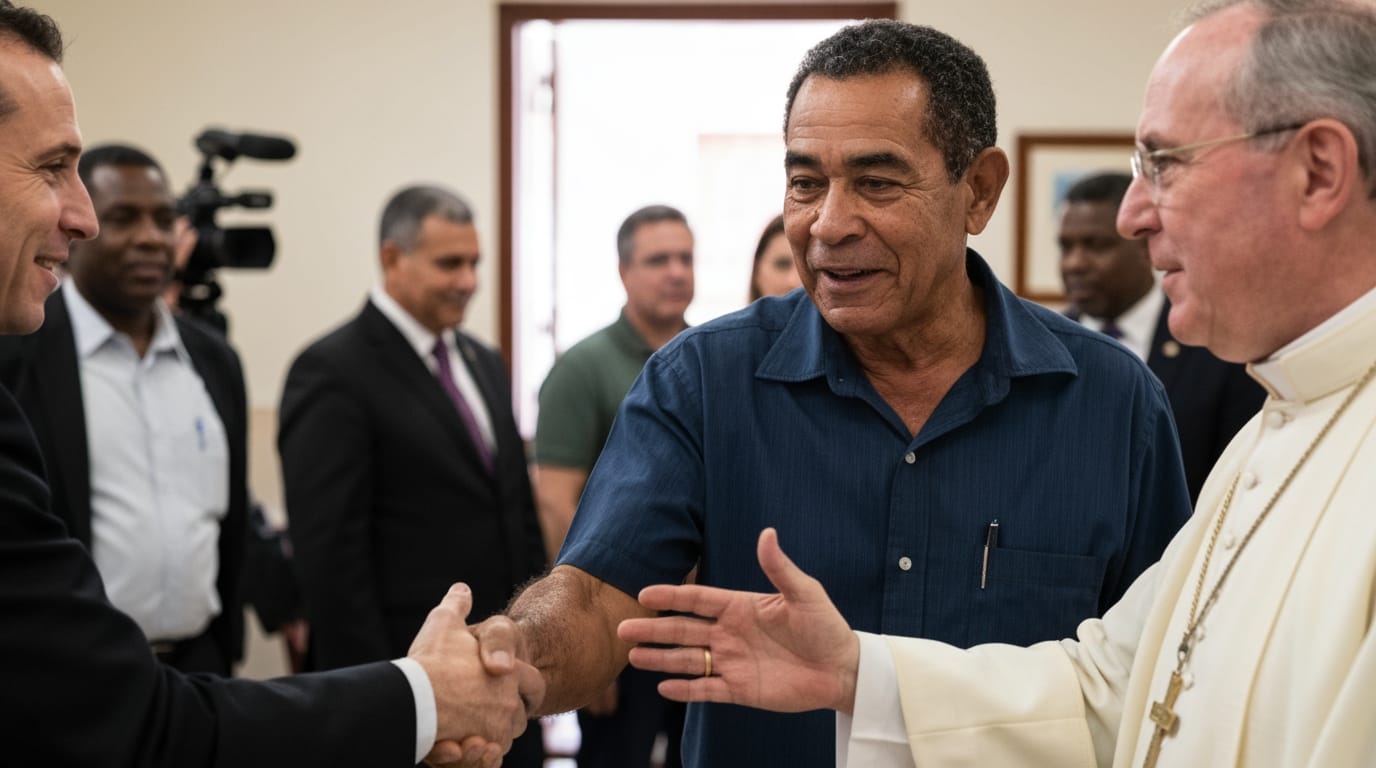
HAVANA – Cuba's government has announced it will release 51 individuals from its prisons in the coming days, a move that follows recent dialogues with the Vatican and comes amidst a period of renewed international engagement and domestic challenges for the island nation. The decision, publicly communicated by Cuba's Foreign Ministry, underscores the Catholic Church's enduring role as a diplomatic conduit in Havana's relations with the wider world.
This latest development arrives as Cuba navigates a complex international landscape, including ongoing pressures from the United States and a challenging internal economic situation. While the specific identities or charges of the 51 prisoners were not immediately disclosed, the Foreign Ministry indicated that all "have served a significant portion of their sentences and have maintained good conduct in prison." The announcement is framed by Havana as a gesture of goodwill, reflecting the close and historically fluid relationship between the Cuban state and the Vatican.
A Pattern of Vatican Diplomacy
The Catholic Church has a well-established history of mediating between the Cuban government and the international community, particularly concerning prisoner releases. This role has intensified in recent years, demonstrating the Vatican's sustained commitment to humanitarian issues on the island. The current announcement of 51 releases echoes a similar, larger initiative in January 2025, when Cuba began a gradual release of more than 500 prisoners, a decision also linked to appeals from the Vatican and Pope Francis's call for clemency during the 2025 Jubilee Year.
Significant past interventions include the release of approximately 200 individuals during Saint John Paul II's visit in 1998, thousands more before Pope Benedict XVI's arrival in 2012, and an additional 3,500 prisoners ahead of Pope Francis's 2015 visit. These instances highlight a recurring pattern where major papal engagements with Cuba are often preceded or accompanied by humanitarian gestures from the Cuban government. Pope Francis, in particular, has made ministering to prisoners a priority, advocating for their dignity and release, especially in the context of the Holy Year, which encourages acts of reconciliation and forgiveness. The Vatican's Secretary of State, Cardinal Pietro Parolin, has praised such decisions as "significant acts of hope" that align with the Jubilee's spirit of renewal and mercy.
Broader Geopolitical Context
The recent prisoner release unfolds within a dynamic period for Cuba's foreign relations, notably with the United States. The January 2025 release of a larger group of prisoners coincided with the Biden administration's stated intent to lift the U.S. designation of Cuba as a state sponsor of terrorism. While the Cuban government has not explicitly linked these actions, observers suggest a correlation, indicating the Vatican's diplomatic efforts may have provided leverage in broader discussions aimed at improving bilateral relations. This intricate interplay of diplomacy, humanitarian appeals, and geopolitical maneuvering showcases the Vatican's unique position as a trusted interlocutor.
International pressure regarding human rights and political freedoms in Cuba has been a constant. Organizations like Prisoners Defenders reported 1,214 political prisoners in Cuba as of February 2026, maintaining that the government continues to detain individuals for expressing dissent. The Cuban government, however, typically classifies such individuals as common criminals or those who have committed crimes against state security, often citing accusations of receiving foreign funding.
Unanswered Questions and Future Prospects
While the release of 51 prisoners is welcomed by human rights advocates, the lack of specific details surrounding their cases leaves several questions unanswered. It remains unclear how many, if any, of the released individuals are considered political prisoners by international human rights organizations. The Cuban government's statement that the prisoners "have served a significant portion of their sentences" could imply a range of offenses, not solely politically motivated ones.
The ongoing dialogue between Cuba and the Vatican, punctuated by these releases, signals a potential path forward for humanitarian concerns and perhaps broader political reforms. However, the international community continues to call for the unconditional release of all political prisoners and for fundamental changes to laws that restrict freedom of expression and assembly. Each prisoner release, whether of 51 or 500, contributes to an evolving narrative of Cuba's engagement with global norms and its complex relationship with faith-based diplomacy.
In conclusion, Cuba's decision to release 51 prisoners, facilitated by Vatican diplomacy, represents another significant, albeit measured, step in a long history of negotiations between Havana and the Holy See. This gesture reflects the Vatican's persistent advocacy for human dignity and reconciliation, particularly in the context of the Jubilee Year. While the immediate impact on Cuba's human rights record or its international standing remains to be fully assessed, the event underscores the enduring influence of the Catholic Church in fostering dialogue and catalyzing humanitarian actions within the tightly controlled political landscape of Cuba. The true measure of this and previous releases will ultimately be seen in whether they pave the way for more comprehensive reforms and a greater respect for fundamental freedoms on the island.


