Kenya Suspends Kidney Transplants at Hospital Amid Trafficking Allegations
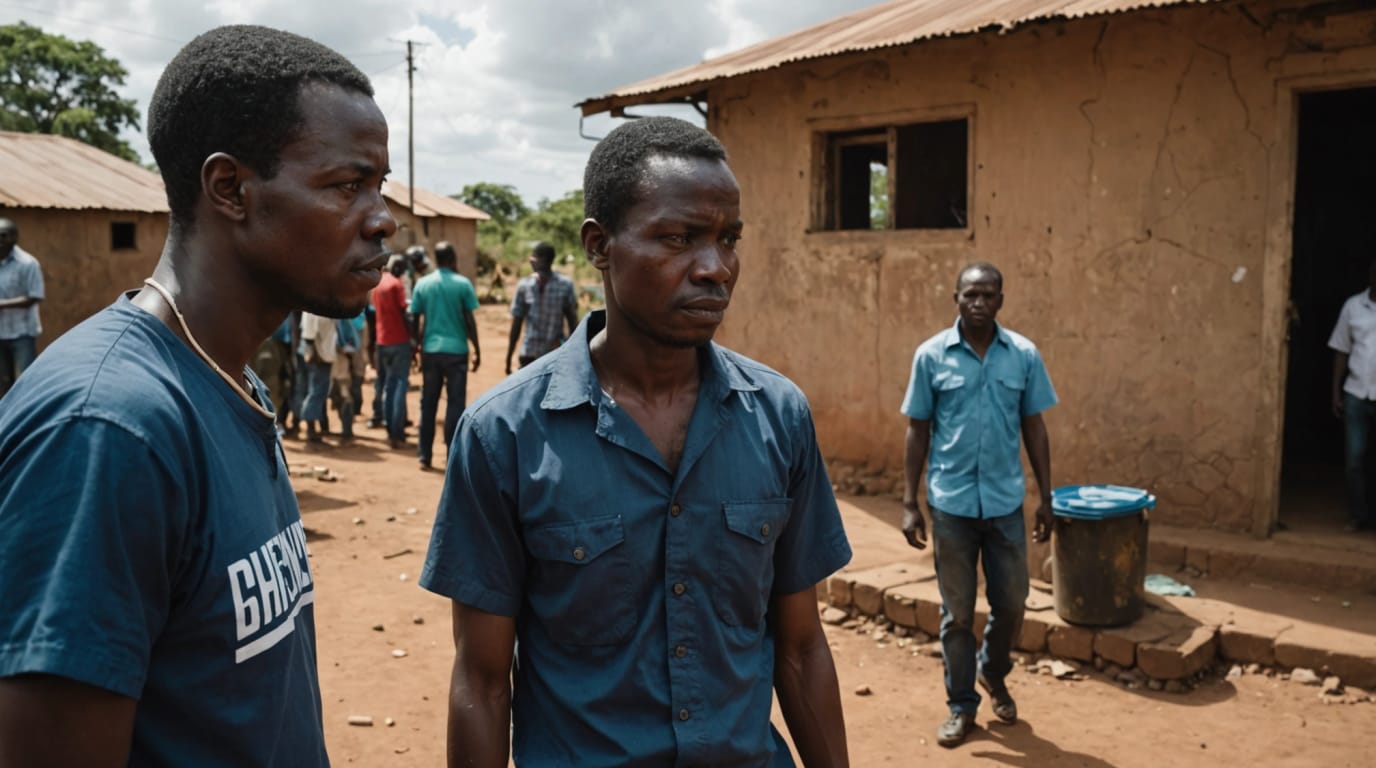
Kenya's Ministry of Health has suspended kidney transplant services at Mediheal Hospital in Eldoret following a report by German broadcaster Deutsche Welle (DW) that exposed a potential organ trafficking ring operating within the facility. The suspension, announced Thursday, comes amid growing concerns about ethical breaches and potential exploitation of vulnerable donors.
Government Intervention and Investigation
Health Cabinet Secretary Aden Duale stated that the suspension is effective immediately and will remain in place until further notice. He cited "credible concerns from government and citizens regarding the facility's adherence to required ethical standards in the conduct of transplant procedures" as the primary reason for the action. Duale has directed patients currently receiving or seeking transplant-related services at Mediheal to seek care at eight other licensed kidney transplant facilities, including Kenyatta National Hospital and Moi Teaching and Referral Hospital.
In addition to the suspension, Duale announced the formation of an Independent Expert Committee to conduct a comprehensive audit of all kidney transplant services at Mediheal Group of Hospitals over the past five years. The committee will comprise experts from public and private health facilities, professional associations, and relevant regulatory bodies. Their investigation will focus on governance, clinical practices, ethical compliance, and patient safety protocols. The committee is expected to submit its report within 90 days.
DW Report Exposes Alleged Trafficking Network
The government's actions follow the release of an investigative documentary by DW, Der Spiegel, and ZDF, which alleged that Mediheal Hospital was involved in a global organ trafficking syndicate. The report claimed that the operations initially involved kidney recipients from Somalia and donors from Kenya. However, the scope of the alleged racket widened in 2022 to include recipients from Israel, and by 2024, from Germany. Donors were also reportedly flown in from Azerbaijan, Kazakhstan, and Pakistan.
The DW report further alleged that some donors were coerced into signing documents falsely identifying them as relatives of recipients they had never met. In many instances, they consented to kidney removals without fully understanding the health risks involved, with some allegedly underage at the time of surgery. The investigation highlighted the vulnerability of impoverished individuals who were allegedly lured into selling their kidneys for as little as $2,000.
Hospital's Response and Previous Scrutiny
Mediheal Hospital's Group Vice President in charge of operations, Maryline Limo, has denied the allegations, insisting that the facility adheres to all legal and ethical guidelines. She stated that the hospital is not responsible for sourcing donors and that patients come to the facility with their own donors. Limo also attributed the hospital's international clientele to its high success rate, claiming a 99% success rate for kidney transplants.
However, this is not the first time Mediheal has faced scrutiny. In December 2023, the Ministry of Health formed a multidisciplinary fact-finding mission to investigate concerns about transplant procedures at the hospital. The team, comprised of transplant specialists, ethicists, and representatives from various regulatory bodies, was tasked with verifying claims of unethical practices and assessing compliance with clinical, legal, and ethical standards. While the team produced a report, it was reportedly not signed due to dissenting opinions, and its findings were not made public. The report did find that in many cases donors and recipients were not related and that some high-risk transplants were conducted. It recommended that "the allegation of organ trafficking must be investigated by relevant authorities."
Legal Gray Areas and Challenges
The DW report highlighted a legal gray area in Kenya that may be exploited by organ trafficking syndicates. According to Willis Okumu, an expert from the Institute for Security Studies, there is no specific law preventing individuals from donating a kidney for money, making it difficult to prosecute those involved in such transactions. This legal ambiguity, coupled with the desperation of vulnerable populations, creates an environment conducive to exploitation.
A local private investigator in Eldoret, who has been tracking the illegal transplant trade, claimed that at least two other hospitals are also involved. The investigator also stated that they have encountered difficulties due to external forces and powerful people who may be involved, suggesting the presence of organized crime.
Implications and Future Actions
The suspension of kidney transplant services at Mediheal Hospital and the ongoing investigation have significant implications for both patients and the broader healthcare system in Kenya. Patients in need of kidney transplants may face delays in receiving treatment, while the investigation could reveal systemic issues within the country's organ transplant program.
The Ministry of Health has stated that it will conduct a follow-up visit to Mediheal Hospital to assess compliance and conduct a comprehensive clinical audit. The ministry also plans to audit all other kidney transplant facilities in the region. These actions signal a commitment to addressing the alleged unethical practices and ensuring the safety and well-being of patients and donors.
Conclusion
The alleged organ trafficking scandal at Mediheal Hospital has exposed a dark underbelly of the global transplant industry. The Kenyan government's swift response, including the suspension of services and the launch of an investigation, demonstrates a commitment to addressing the issue and protecting vulnerable populations. The outcome of the investigation will likely have far-reaching consequences for the future of organ transplantation in Kenya and may prompt reforms in the legal and regulatory frameworks governing the practice. The case also underscores the need for increased vigilance and international cooperation to combat organ trafficking and ensure ethical practices in healthcare.


