Kenyan Energy Sector Rocked by High-Level Resignations Amidst Fuel Manipulation Probe
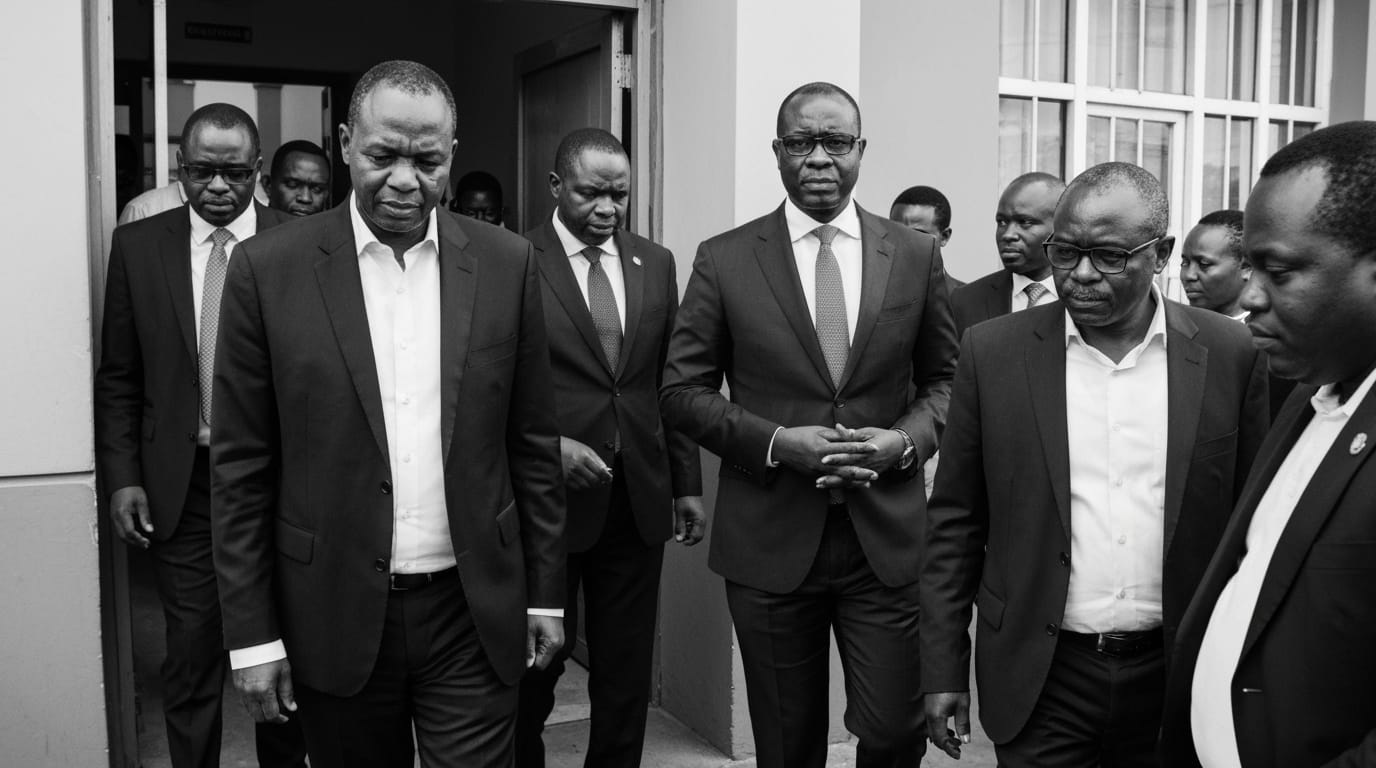
NAIROBI, Kenya – Kenya's vital energy sector is facing a significant upheaval following the resignations of three top executives, including a Principal Secretary, amidst an escalating government investigation into alleged fuel manipulation and irregular procurement practices. The high-profile departures signal a determined push by the government to tackle deep-seated corruption within the country's petroleum supply chain, an industry critical to the nation's economic stability.
The resignations, confirmed on Saturday, April 4, 2026, by Chief of Staff and Head of Public Service Felix Koskei, came just two days after the officials were arrested by investigative agencies. Those stepping down are Petroleum Principal Secretary Mohamed Liban, Kenya Pipeline Company (KPC) Managing Director Joe Sang, and Energy and Petroleum Regulatory Authority (EPRA) Director General Daniel Kiptoo Bargoria. Their exits are directly linked to accusations of falsifying in-country fuel stock data, creating a misleading impression of an impending shortage, and subsequently orchestrating an irregular emergency fuel procurement at inflated prices and of substandard quality. The government has made it clear that these actions constitute serious breaches of public trust and may amount to economic crimes, vowing firm and decisive action against all culpable individuals and entities.
Allegations of Data Falsification and Irregular Deals
At the heart of the ongoing inquiry are allegations that senior officials systematically manipulated data regarding local fuel reserves. This manipulation, according to preliminary findings, was seemingly designed to exploit rising global oil prices and public anxiety, thereby manufacturing a false perception of an imminent supply crisis. Such misrepresentation, the government states, directly led to the Ministry of Energy and Petroleum procuring an emergency cargo of fuel outside the established Government-to-Government (G2G) framework. This emergency shipment was reportedly acquired at prices significantly above contracted rates, in blatant disregard of proper emergency procurement procedures, and was allegedly of substandard quality. The scale of the alleged irregular deal has been cited as potentially involving billions of shillings. In addition to the top three officials, administrative actions have been initiated against Joseph Wafula, Deputy Director of Petroleum, and Joel Mburu, KPC Supply and Logistics Manager, as investigations broaden.
Undermining the G2G Framework
The alleged fraudulent activities represent a direct challenge to Kenya's Government-to-Government (G2G) fuel supply agreement, a framework introduced in 2023 with the explicit aim of stabilizing fuel availability, shielding the market from global price volatility, and easing pressure on foreign exchange reserves. The G2G arrangement was a strategic intervention implemented after the country experienced severe fuel shortages in 2022, which led to long queues at filling stations and unsafe practices. Since its inception, the government maintains that the G2G framework, involving contracted suppliers such as Aramco Trading Fujairah, ADNOC Global Trading Ltd, and Emirates National Oil Company Singapore Pte Limited, has ensured uninterrupted fuel supplies, stable pump prices, and a reduced fiscal burden from subsidies. The recent scandal, however, suggests a concerted effort by a few to subvert these safeguards for personal gain.
A particularly alarming detail emerging from the probe involves the alleged diversion of a substantial 60,000-metric-tonne fuel consignment. This cargo, carried by the vessel MV Paloma and believed to have docked in Mombasa between March 27 and March 29, 2026, was initially destined for Angola but was reportedly rerouted to Kenya under unclear circumstances. Detectives suspect this cargo, originating from Saudi Aramco, may have entered the Kenyan market outside the official G2G import framework after being resold through international intermediaries.
Broader Economic and Trust Implications
The integrity of Kenya's fuel supply chain carries immense economic significance. Fuel is widely considered the backbone of the Kenyan economy, with price fluctuations directly impacting inflation and the cost of goods and services across all sectors. Kenya, largely dependent on imported conventional fuel, is highly susceptible to global market dynamics and supply chain disruptions, as evidenced by the impact of events like the Russia-Ukraine war on fuel prices and overall inflation. Therefore, any manipulation within this critical sector not only threatens the financial well-being of businesses and citizens but also erodes public trust in governmental oversight and regulatory bodies.
The government has reiterated its commitment to protecting national interests and ensuring full accountability, referring the case to investigative agencies for a thorough inquiry. This decisive action underscores the seriousness with which authorities are treating these allegations, recognizing the potential for economic sabotage. The ongoing investigations are expected to scrutinize procurement processes, fuel import documentation, and internal data reporting systems across key energy agencies.
A History of Sectoral Challenges
This latest scandal unfortunately aligns with a historical pattern of corruption concerns within Kenya's energy sector. Past reports and analyses have highlighted instances of systemic corruption, particularly within the electricity sector, involving cartels and malpractices that have negatively impacted consumers. Issues ranging from inflated electricity bills to difficulties in accessing the grid without resorting to bribery have plagued the industry for years, leading to a public perception of pervasive corruption. The current probe into fuel manipulation underscores the persistent challenges in safeguarding the integrity of essential public services and resources.
Conclusion
The resignations of top energy executives in Kenya, triggered by a wide-ranging fuel manipulation probe, mark a pivotal moment in the nation's fight against corruption. The allegations of data falsification, irregular procurement of substandard fuel, and the undermining of a critical G2G framework threaten to destabilize an already sensitive sector and erode public confidence. As the government presses forward with its full inquiry and punitive actions, the outcome will not only determine the fate of those implicated but also serve as a crucial test of Kenya's resolve to uphold transparency and accountability in its governance. The successful resolution of this scandal is paramount to re-establishing trust, ensuring energy security, and safeguarding the economic future of millions of Kenyans.


