Kenyan High Court Rejects Rastafari Bid for Religious Cannabis Exemption, Citing Lack of Essentiality and Prematurity
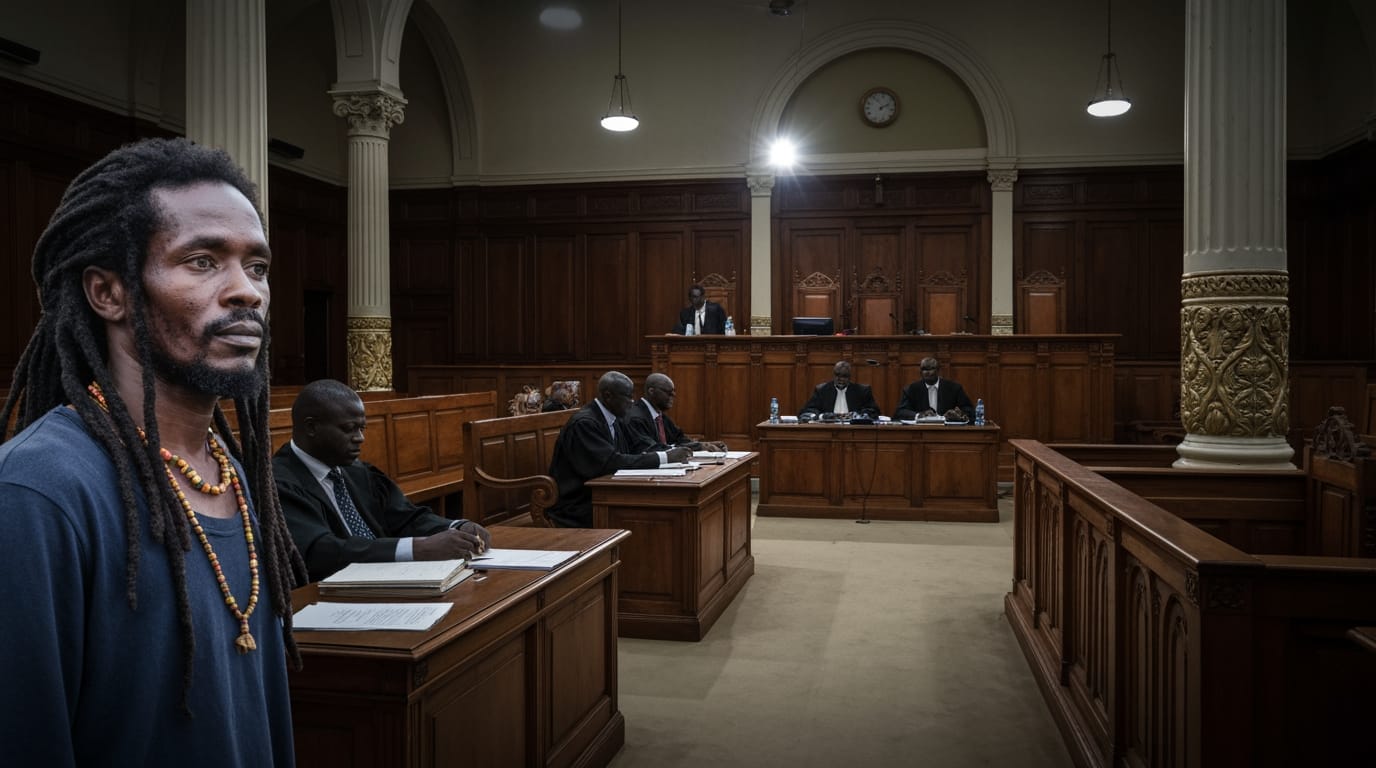
NAIROBI, Kenya – In a highly anticipated ruling that reverberates through religious freedom circles and drug policy reform advocates, Kenya’s High Court on Wednesday, July 15, 2026, dismissed a petition by the Rastafari Society of Kenya seeking a constitutional exemption for the sacramental use of cannabis. The decision maintains the nation's stringent anti-narcotics laws, delivering a significant setback to the community that regards cannabis, or bhang, as a holy sacrament essential to their spiritual practices. Justice Bahati Mwamuye, presiding over the case in Nairobi, ruled that the petitioners failed to adequately demonstrate that cannabis use was an indispensable tenet of the Rastafari faith and highlighted their bypass of existing legal mechanisms for exemptions.
The landmark judgment underscores the intricate legal and societal challenges at the intersection of religious liberty, public health, and drug control in Kenya. For years, members of the Rastafari community have faced legal persecution under the Narcotic Drugs and Psychotropic Substances (Control) Act, 1994, which criminalizes the cultivation, possession, and use of cannabis. This ruling, however, has ignited calls for a broader national conversation on the country's drug policies, even as the Rastafari community vows to challenge the decision in higher courts.
The Court's Verdict and Immediate Fallout
Justice Mwamuye’s ruling centered on two primary arguments for dismissal. Firstly, the court found insufficient evidence to prove the indispensability of cannabis to the Rastafari religion. Witnesses presented by the Rastafari Society of Kenya reportedly admitted that while cannabis is used as a sacrament, its consumption is not mandatory, and some adherents practice the faith without it. This led the court to conclude that its use was a "preferred mode of worship, not a requirement of the faith." The judge further noted that granting an exemption would necessitate a robust constitutional and legal framework, which the petitioners did not provide, particularly one that could prevent abuse or undermine existing drug control efforts.
Secondly, the court determined that the petition was premature because the Rastafari community had not exhausted available licensing and exemption avenues under the law before seeking constitutional relief. This procedural misstep meant the court lacked jurisdiction to entertain the petition at this stage, Justice Mwamuye concluded. Following the announcement, Rastafarians gathered at Nairobi's Freedom Corner to protest, expressing deep disappointment and describing Kenya's drug laws as "satanic." Many chanted, beat drums, and some openly smoked cannabis in defiance, underscoring their commitment to what they consider a fundamental spiritual practice. The legal team representing the Rastafari Society of Kenya has indicated their intent to appeal the High Court's decision, aiming to bring the matter before the Court of Appeal.
Under Kenya's current laws, cultivation of cannabis carries severe penalties, including up to 20 years in jail or a fine of up to $1,900, or three times the market value of the plants. Simple possession for personal use can result in imprisonment for up to 10 years, a fine of up to $2,000, or both. These strictures have long placed Rastafarians in a precarious position, forcing many to conduct their rituals in secrecy or risk arrest and harsh sentences.
The Rastafarian Argument for Spiritual Observance
The Rastafari Society of Kenya, alongside its spokesperson Mwendwa Wambua (also known as Ras Prophet), initiated the constitutional challenge arguing that the criminalization of cannabis directly infringed upon their rights to freedom of religion, privacy, dignity, equality, and association. For Rastafarians, cannabis, often referred to as "the holy herb" or "ganja," is far more than a recreational substance; it is considered a sacrament, an aid to meditation, spiritual enlightenment, and a means of connecting with their God, Jah. They argued that its use is central to their worship, fostering inner peace and spiritual growth.
The petitioners sought specific declarations that provisions of the Narcotic Drugs and Psychotropic Substances (Control) Act were unconstitutional to the extent that they prohibited the sacramental use of cannabis by Rastafarians during private worship and at designated places of worship. Importantly, they clarified that their bid was not for the wholesale legalization of cannabis but for a limited, religious exemption, akin to how other communities in Kenya are legally permitted to chew miraa (khat), a mild stimulant, as part of their cultural and recreational rites. They contended that their faith, though originating elsewhere, is now deeply rooted in Kenya and deserves similar accommodation under the constitutional protections for religious freedom.
The community has a distinctive connection to Kenyan history, particularly through their dreadlocks, a symbol of their faith that also resonated with anti-colonial Mau Mau fighters. This historical resonance, combined with a 2019 High Court ruling that recognized Rastafarianism as a protected religion after finding a school unlawfully expelled a student for wearing dreadlocks, had fueled hopes for a favorable outcome in this case.
Judicial Scrutiny and Rationale
Justice Mwamuye's detailed judgment meticulously navigated the delicate balance between constitutional guarantees of religious freedom and the state's responsibility to uphold public order and safety. He clarified that while the Kenyan Constitution indeed protects freedom of religion and belief, these rights are not absolute and can be limited when necessary to safeguard public health, safety, and the broader public interest. The court emphasized that the Narcotic Drugs and Psychotropic Substances (Control) Act is a law of general application, designed to protect all citizens, and is not specifically directed at any particular religion.
The judge’s skepticism regarding the essentiality of cannabis to Rastafari practice was a critical factor. The admission by the petitioners' own witnesses that "the use of cannabis is not mandatory and that some Rastafari do not use it at all" directly undermined their claim of indispensability. This distinction between a preferred practice and a fundamental requirement proved decisive in the court's eyes, suggesting that the religious freedom argument did not meet the high legal threshold required to override public safety concerns embedded in drug legislation. Furthermore, the court was not presented with a viable framework to manage a religious exemption without potentially opening floodgates for abuse or complicating law enforcement efforts against illicit drug trafficking.
Broader Implications and Societal Dialogue
The High Court's ruling carries significant implications beyond the Rastafari community, impacting the broader discourse on religious freedom and drug policy reform in Kenya. While the immediate outcome is a reaffirmation of existing prohibition laws, Justice Mwamuye's commentary within the judgment itself signaled an acknowledgment of shifting realities. He noted the increasing prevalence of cannabis use in Kenya and observed that the "status quo appears untenable." The judge explicitly called for a "full and frank conversation on cannabis and which direction we should take," emphasizing that this is "not just a a question for the Rastafari community but one that cuts across society."
This judicial suggestion for a national debate hints at a potential pathway for legislative review and reform, indicating that while the courts may be bound by current statutes and evidentiary standards, the societal conversation around cannabis is evolving. The ruling highlights a tension between judicial interpretation of existing laws and the growing public interest in reconsidering drug policies, particularly as several nations globally move towards decriminalization or legalization.
However, public opinion remains divided. While advocates see potential in regulated cultivation and trade for economic benefits and medicinal uses, others, like Nairobi resident Jedidah Ng'ang'a, a Christian, expressed satisfaction with the ruling, stating a disapproval of marijuana use in the country. The High Court’s decision, therefore, not only reflects the legal landscape but also mirrors the complex societal attitudes that continue to shape Kenya's approach to cannabis.
Conclusion
The Kenyan High Court's rejection of the Rastafari bid for a religious cannabis exemption marks a pivotal moment in the nation's legal and social history. By upholding the Narcotic Drugs and Psychotropic Substances (Control) Act, the court has reaffirmed the current legal framework, placing religious observance that involves cannabis in direct conflict with state law. The ruling, grounded in the lack of proven essentiality and procedural prematurity, nonetheless opens a broader discussion, as highlighted by Justice Mwamuye’s call for a national dialogue on cannabis policy.
As the Rastafari Society of Kenya prepares its appeal, the debate surrounding religious freedom, public health, and drug reform in Kenya is far from over. This case underscores the challenges faced by minority religious groups seeking accommodation within secular legal systems, while simultaneously prompting a larger societal reflection on the future of drug laws in a country grappling with evolving global perspectives and local realities. The outcome of future legal challenges and legislative discussions will undoubtedly shape the balance between individual freedoms and collective well-being in Kenya for years to come.


