Klimt's Lost Portrait of African Prince Resurfaces After Decades
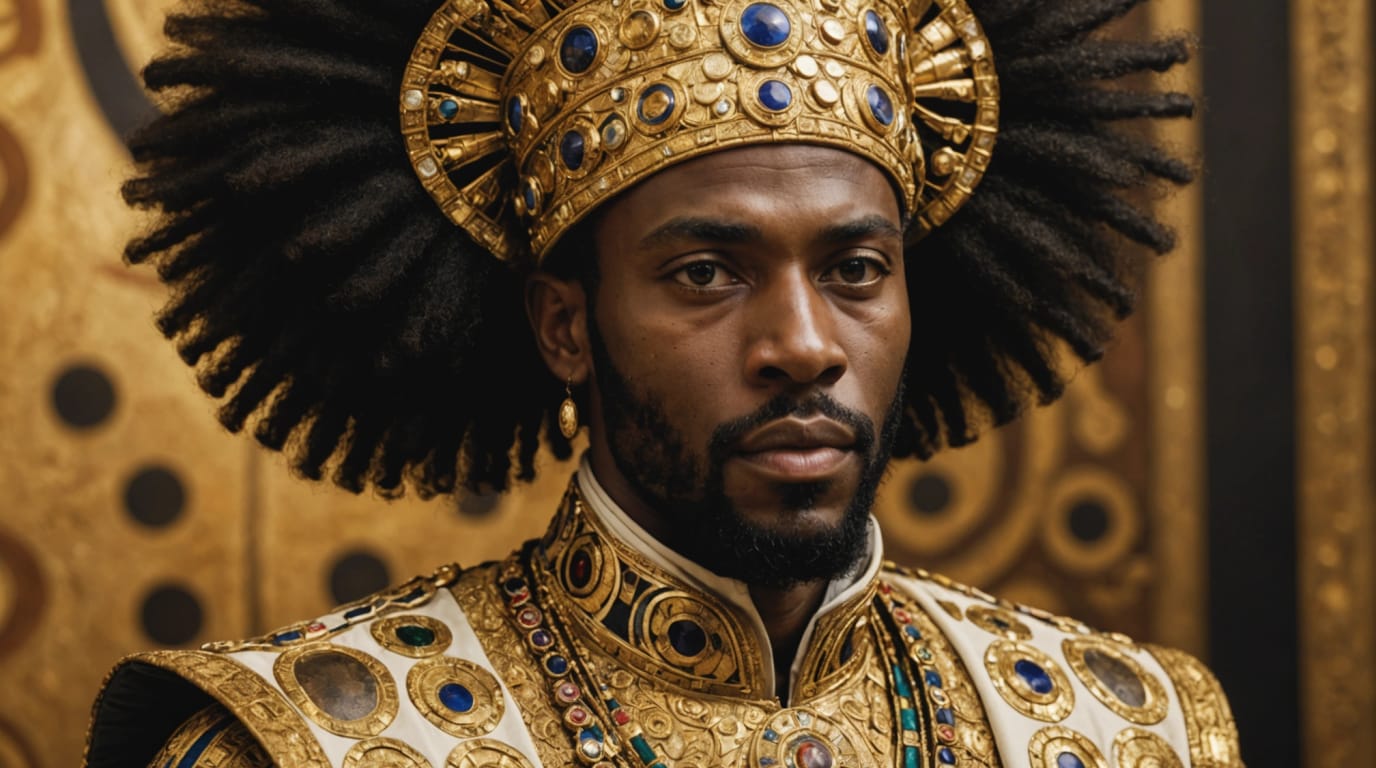
A long-lost portrait by Austrian master Gustav Klimt, depicting an African prince, has reemerged after being unseen for decades, captivating the art world and shedding light on a little-known chapter of Viennese history. The painting, titled "Prince William Nii Nortey Dowuona," is currently on display at the TEFAF art fair in Maastricht, Netherlands, with a price tag of €15 million ($16.4 million). Its rediscovery offers a rare glimpse into Klimt's early work and raises questions about cultural representation and colonialism in the late 19th century.
A Collector's Discovery and Expert Confirmation
The story of the portrait's rediscovery began in 2021 when a collector couple approached the W&K - Wienerroither & Kohlbacher gallery in Vienna with a poorly framed and heavily soiled painting. Despite its condition, the painting bore a barely visible estate stamp by Gustav Klimt, piquing the gallery's interest. Recognizing the potential significance of the piece, the gallery consulted with Alfred Weidinger, a renowned Klimt expert and author of the artist's catalog raisonné. Weidinger quickly identified the painting as the lost portrait of Prince William Nii Nortey Dowuona, a work he had been searching for two decades.
The Subject: Prince William Nii Nortey Dowuona
Prince William Nii Nortey Dowuona was a member of the Osu tribe, part of the Ga people from present-day Ghana, which was then under British colonial rule. In 1897, Prince Dowuona traveled to Vienna as part of an ethnographic exhibition at the Tiergarten am Schüttel, a zoo that also hosted displays of people from various parts of the world. These exhibitions, common at the time, presented people in settings meant to recreate their native environments, often reinforcing colonial stereotypes.
During the exhibition, Klimt and his artist friend Franz Matsch had the opportunity to paint Prince Dowuona. Klimt's portrait captures the prince in profile, with loose brushstrokes of florals in the background. Matsch's portrait, a more conventional frontal depiction, is now housed in a museum in Luxembourg. Klimt's version remained in his possession and was auctioned off from his estate in 1923 as "Portrait of a Negro, in three-quarter profile facing right, with a white coat around his shoulders."
A Tumultuous History and Restitution
After being auctioned from Klimt's estate, the painting was loaned to an exhibition in 1928 by Ernestine Klein, who, along with her husband Felix, had converted Klimt's studio into a villa. As a Jewish couple, the Kleins fled Vienna in 1938 to Monaco, just before World War II. The painting's whereabouts remained a mystery until 2023. Following extensive restoration efforts and a restitution settlement with Klein's heirs, the artwork is now making its reappearance in public. The Belvedere, the Wien Museum, and the Museum Kunstpalast in Düsseldorf have all returned artworks to the heirs, noted Weidinger.
Art Historical Significance and Ethical Considerations
The rediscovery of "Prince William Nii Nortey Dowuona" is significant for several reasons. It expands our understanding of Klimt's early artistic development, showcasing his experimentation with decorative elements that would later characterize his signature style. Weidinger notes that the painting's composition and pictorial execution indicate Klimt's turn toward decorative elements, which would characterize his later work, and are directly related to his portraits of later years. In terms of time and style, it is close to the famous Sonja Knips portrait of 1898.
However, the painting's history also raises ethical considerations about the representation of non-European people in art and the legacy of colonialism. The ethnographic exhibitions of the late 19th century, in which Prince Dowuona was displayed, were often exploitative and reinforced racist stereotypes. The rediscovery of this portrait prompts reflection on the complex relationship between art, colonialism, and cultural appropriation.
A Window into Vienna's Past
The story of Klimt's portrait also provides a glimpse into Vienna's vibrant cultural scene at the turn of the 20th century. The Ashanti exhibition attracted large audiences, with up to 10,000 people a day visiting the Tiergarten am Schüttel. The Osu people were allowed to leave the village, and chronicles of the time report invitations that African guests received from the Viennese, and not infrequently therefore visited them at home or went to the theater or cafes. Klimt's Prince would also be portrayed by another artist. This suggests a degree of interaction and exchange between Viennese society and the visiting Osu people, even within the context of a problematic ethnographic exhibition.
The rediscovery of Gustav Klimt's portrait of Prince William Nii Nortey Dowuona is more than just an art historical event; it is a cultural moment that invites us to confront the complexities of the past. As the painting goes on display for the first time in decades, it serves as a reminder of the power of art to both reflect and shape our understanding of history, identity, and cultural exchange. The portrait is the rare artwork that can boast a television documentary that explores its story, produced by InterSpot film and slated for broadcast during 2025.