Kosovo Plunges into Fresh Elections Amid Deepening Political Paralysis
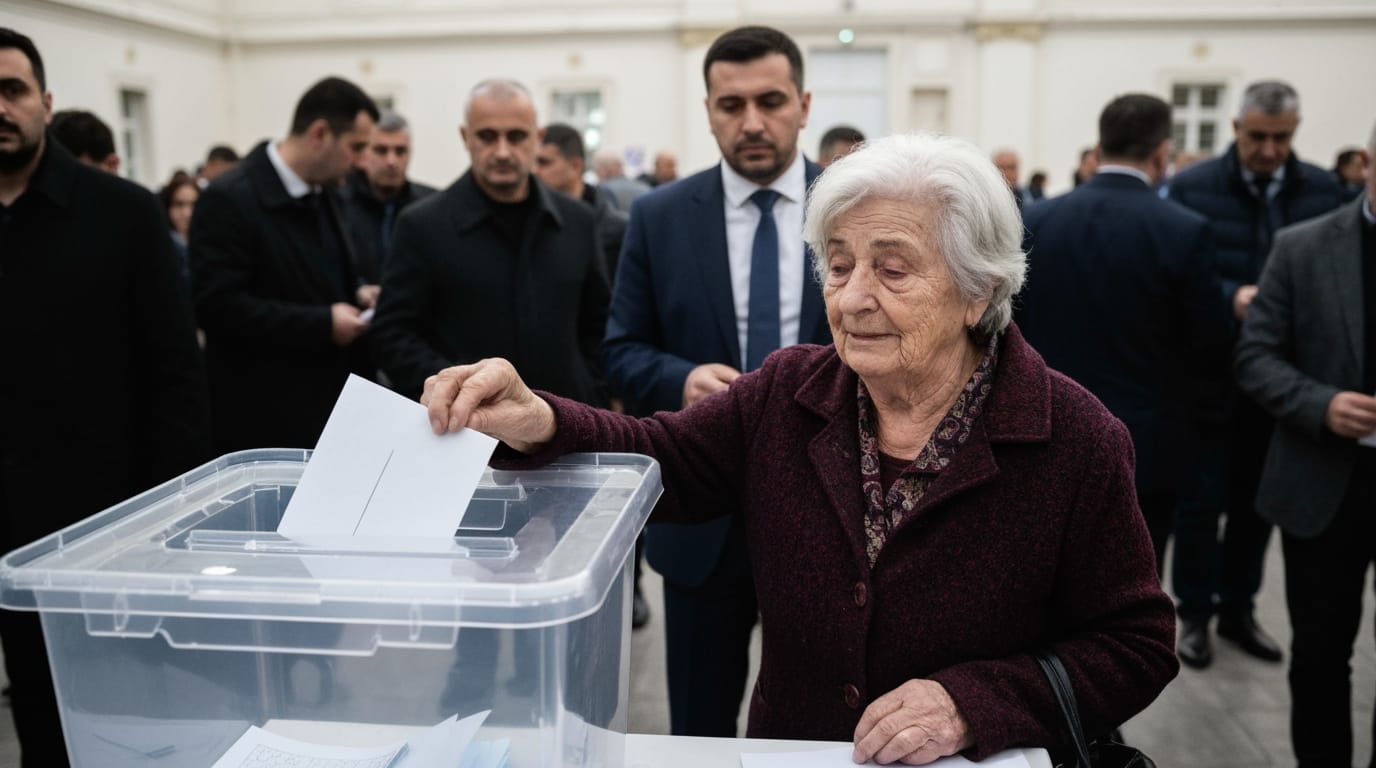
PRISTINA, Kosovo – Less than a year after its last parliamentary vote, Kosovo is once again heading to the polls on December 28, 2025, in a desperate bid to break a protracted political deadlock that has crippled governance and stalled critical reforms in Europe’s youngest nation. This snap election follows an inconclusive general election on February 9, 2025, which saw the governing Vetëvendosje (VV) party secure a plurality but fall short of the majority needed to form a stable government, plunging the country into months of legislative paralysis and economic uncertainty.
The repeated electoral cycles underscore a deep-seated fragility within Kosovo's political system, where fragmented parliamentary representation and intense rivalries routinely impede the formation of functional administrations. With the nation's institutions operating in limbo, citizens face the mounting consequences of delayed budgets, stalled development projects, and a compromised international standing.
The Endless Cycle of Elections and Unstable Governments
Kosovo’s political landscape has been marked by frequent elections and short-lived governments since its declaration of independence in 2008. The February 9, 2025, election results saw Prime Minister Albin Kurti’s Vetëvendosje party emerge as the single largest force, garnering 42.3% of the vote and securing 48 out of the 120 seats in the Assembly. However, this was not enough to achieve the 61-seat simple majority required to form a government independently.
The subsequent months were characterized by fruitless negotiations and a legislative stalemate that prevented the parliament from undertaking its basic functions. Efforts to elect a speaker, a crucial step to initiate parliamentary work, reportedly failed over 31 sessions and more than 50 rounds of voting by late August. This prolonged impasse ultimately led President Vjosa Osmani to dissolve the parliament in November 2025 and schedule the new elections for December 28, 2025.
This pattern of instability is not new. Historically, Kosovar governments have struggled to complete full four-year terms, with the average cabinet duration recorded at just 240.9 days as of 2020. The year 2020 alone witnessed three different governments, highlighting the systemic challenges in establishing political consensus. Observers remain skeptical that the current snap election will definitively resolve the impasse, fearing the potential for yet another hung parliament and further instability. Moreover, the political crisis could deepen if lawmakers fail to elect a new president by April 2026, when President Osmani's mandate expires, potentially triggering another round of elections.
Deep Roots of the Deadlock
Several factors contribute to Kosovo's persistent political deadlock. A highly fragmented party system often results in no single party securing an outright majority, making coalition building a complex and often unstable process. Opposition parties have repeatedly resisted joining a Kurti-led coalition, with some analysts pointing to accusations of arrogance and a tendency to alienate both domestic and international allies as contributing factors.
The structure of the electoral system, which reserves 20 seats for non-majority communities, including the Serb List—a party largely backed by Belgrade—further complicates government formation. Prime Minister Kurti has reportedly rejected cooperation with the Serb List, adding another layer of difficulty to securing a parliamentary majority.
Adding to the internal political challenges are ongoing tensions with Serbia. Kurti's hardline stance on dismantling Serbian-run institutions in the north of Kosovo, while popular with his domestic base, has been met with criticism and even sanctions from the European Union and the United States. Washington has accused Kurti's administration of fueling instability, and the crucial dialogue with Serbia, a prerequisite for Kosovo's EU integration, remains frozen. These international pressures and internal divisions create a complex environment that often prioritizes political maneuvering over collaborative governance.
The Steep Price of Instability: Economic and Social Impact
The political paralysis has inflicted a severe toll on Kosovo's economy and social fabric. Economists have warned of "drastic consequences," characterizing political instability as a significant "tax" on the economy. This climate deters crucial foreign investment and diverts governmental focus from much-needed economic reforms.
One of the most immediate and critical impacts is the failure to approve a state budget for 2026. Without a functioning parliament, a government operating in a technical mandate lacks the constitutional authority to make such significant fiscal decisions. This budgetary vacuum risks disrupting the payment system, endangering public sector salaries, and compromising internal governance, particularly in essential sectors like healthcare and education.
Beyond the budget, the legislative gridlock has frozen key reforms and prevented the ratification of vital international agreements. Hundreds of millions of euros in foreign assistance and loans, including approximately 820 million euros in EU subsidies and 1 billion euros from the European Union and World Bank, are currently at risk of being unratified or unclaimed. This directly impacts development projects and undermines Kosovo's ability to progress.
Furthermore, the prolonged political vacuum has left dozens of state institutions without permanent leadership, contributing to inefficiency and a lack of accountability. The cumulative effect is a palpable sense of disillusionment among the populace, with many citizens feeling the direct consequences of political inaction and expressing skepticism about any immediate improvement in their daily lives. The continuous instability also contributes to a significant exodus of young people seeking opportunities abroad.
Looking Ahead: A Fraught Path to Stability
As Kosovo once again votes, analysts express guarded optimism, with many believing the December 28 election may not fundamentally alter the political landscape. Another fragmented parliament remains a strong possibility, potentially extending the period of political uncertainty. The international community continues to monitor the situation closely, with both the EU and the US urging stability and responsible governance.
The path forward for Kosovo is fraught with challenges. Achieving political maturity and fostering sincere dialogue between opposing factions are crucial for breaking the cycle of repeated elections and short-lived governments. The urgent need for a stable, functional government capable of tackling economic woes, implementing essential reforms, and navigating complex international relations, particularly with Serbia, remains paramount for Europe's youngest nation to secure its long-term stability and prosperity.


