Kyiv Endures Mass Exodus Amid Crippling Blackouts as Winter Worsens Humanitarian Crisis
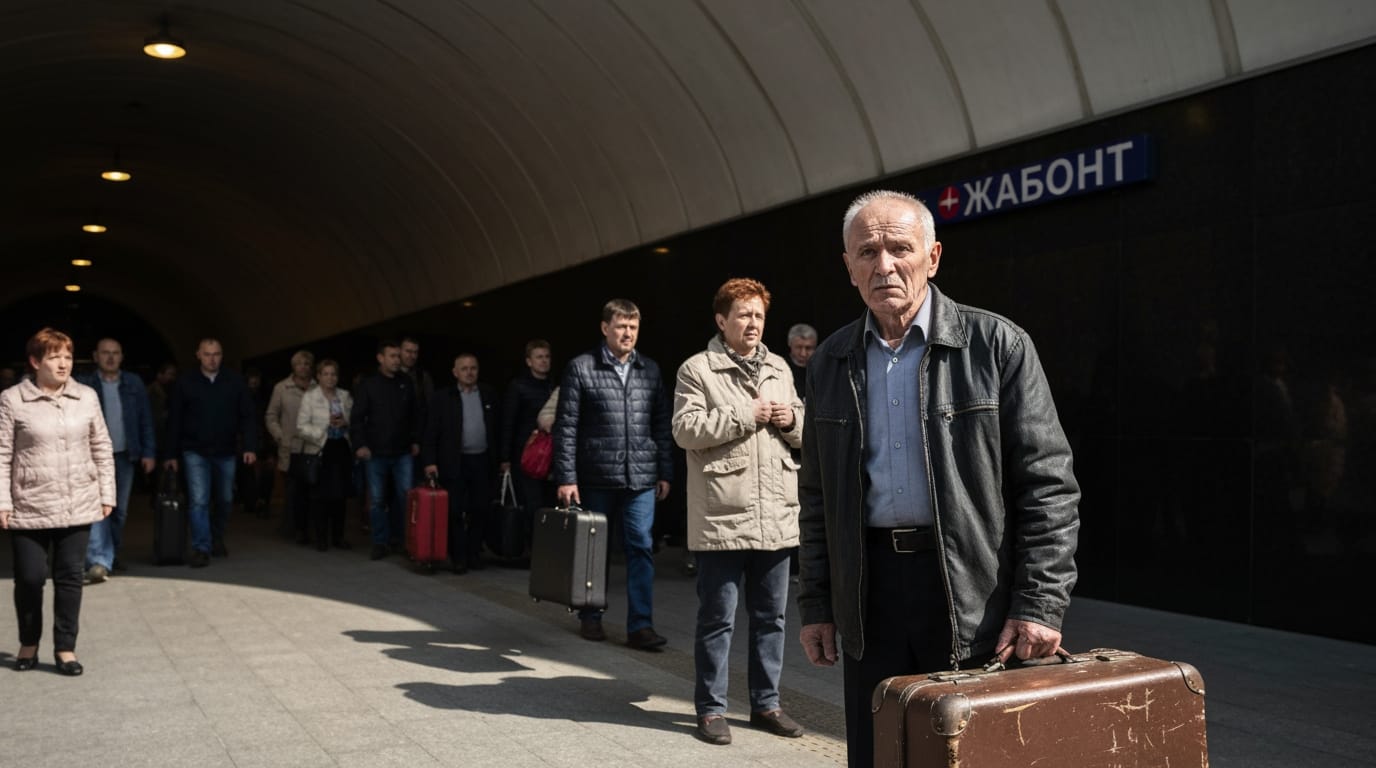
KYIV, Ukraine – Thousands of residents have departed Ukraine's capital, Kyiv, as relentless Russian attacks on the nation's energy infrastructure plunge the city into widespread blackouts and severe cold, exacerbating a humanitarian crisis already four years into the conflict. The deliberate targeting of heating and electricity networks has transformed the harsh winter into a formidable weapon, forcing an untold number of civilians to seek refuge from freezing temperatures and prolonged periods without essential services.
The exodus comes as Kyiv faces what Mayor Vitali Klitschko has described as the most challenging winter since the full-scale invasion began, with daily life severely disrupted for millions.
The Weaponization of Winter: A Strategic Assault on Infrastructure
Russia's ongoing military strategy includes systematic strikes against Ukraine's critical energy infrastructure, turning the cold winter months into a brutal battleground for civilians. These coordinated assaults, often involving missiles and drones, aim to destroy substations, power plants, and heating systems, plunging cities like Kyiv into darkness and extreme cold. As of late January, temperatures have plummeted to as low as -20°C in some regions, with Kyiv experiencing an average of 18 hours of daily power outages.
Ukrainian Energy Minister Denys Shmyhal noted that January 22 marked "the most difficult day for the energy system since the blackout in November 2022," highlighting the escalating severity of the situation. These attacks have damaged generating equipment and broken distribution networks, forcing continuous emergency shutdowns across the country. The humanitarian impact is profound, leaving hundreds of thousands without access to heat, electricity, or water. The United Nations human rights chief condemned these strikes as "cruel" and a clear violation of international law, underscoring the deliberate targeting of civilian infrastructure.
A City Empties: Disputed Numbers, Undeniable Strain
The severe conditions have prompted a significant outflux of residents from Kyiv. Mayor Vitali Klitschko reported that approximately 600,000 people left the capital in January alone, attributing the mass departure to the lack of heating and prolonged power outages. This figure, according to Klitschko's press service, was calculated using mobile phone billing data. However, the Kyiv City Military Administration has not corroborated this specific number, suggesting that if such a large proportion of the population had indeed left, the electricity situation might not be as dire.
Despite the discrepancy in exact figures, the cumulative impact of the war on Ukraine's population is undeniable. Since the onset of the invasion, Ukraine has lost nearly 10 million inhabitants, with its population now estimated at around 32 million, representing a reduction of approximately 25%. While this broader demographic shift encompasses the entire nation and various factors, the recent blackouts in Kyiv have certainly contributed to localized displacement. The first year of the full-scale invasion saw large-scale blackouts that led to a 60% increase in people fleeing the country, setting a precedent for the current wave of departures. Klitschko had previously urged residents in early January to "temporarily leave the city" if they had the means, recognizing the deteriorating conditions.
Life in the Dark and Cold: Daily Hardships and Human Cost
For those who remain in Kyiv, daily life has become a grueling test of endurance. Residential buildings, many of which are high-rises, frequently lose heating and electricity, turning apartments into freezing traps. After a particularly intense attack on January 20, over 1 million people in Kyiv were left without power, and more than 4,000 apartment buildings lacked heat. By January 21, thousands of these buildings still remained without heating. Residents resort to wearing multiple layers indoors, with some homes experiencing temperatures as low as -15°C (5°F).
The impact on children is particularly severe. Schools in Kyiv and other regions have extended their winter breaks into February, and online learning, a common adaptation during the conflict, is severely hampered by intermittent power and internet access. This disrupts education and further isolates children, affecting their mental well-being. Beyond homes, the lack of electricity affects water supply, transport systems—causing metro disruptions and increased taxi fares—and communication networks, making even basic tasks challenging. The psychological toll of enduring constant threats, freezing conditions, and an uncertain future is taking a significant toll on the morale of the population.
Resilience and Response: Aiding a Struggling Population
In the face of these formidable challenges, Ukrainian authorities and international aid organizations are working to provide critical support to Kyiv's residents. The Ukrainian Red Cross, in coordination with the International Federation of Red Cross and Red Crescent Societies (IFRC), has established heating points where people can find warmth, hot meals, warm drinks, and charging stations for their phones. Municipal authorities have expanded this network, creating over 1,200 "Invincibility Centers" or "Points of Resilience" across the capital. These centers offer warmth, water, electricity, and even equipped sleeping areas for prolonged outages, with additional mobile kitchens deployed to provide hot food to vulnerable citizens. Since the beginning of the year, over 130,000 people have utilized these centers.
Emergency repair crews are working around the clock, often in perilous subzero conditions, to restore damaged electrical systems. Despite these efforts, the scale of destruction means that repairs are often temporary fixes, vulnerable to subsequent attacks. The Ukrainian government declared a national energy state of emergency on January 14, 2026, granting increased flexibility to manage resources and prioritize essential services. International partners are also stepping up; Denmark, for instance, has pledged an additional €20 million in support for Ukraine's energy sector. However, Ukrainian officials continue to seek more air defense systems to protect critical infrastructure from further damage.
An Unyielding Struggle
The current energy crisis in Kyiv represents a stark escalation of Russia's tactics, aiming to break the spirit of the Ukrainian people through prolonged suffering. While thousands have left, and many more grapple with daily hardships, the collective resilience of Kyiv's remaining residents and the concerted efforts of humanitarian organizations and authorities offer a vital lifeline. The ongoing battle for light and warmth underscores the profound human cost of the conflict, pushing the city to its limits as it endures its most brutal winter yet.


