Kyiv Mayor Suggests Ukraine May Need to Cede Territory for Peace
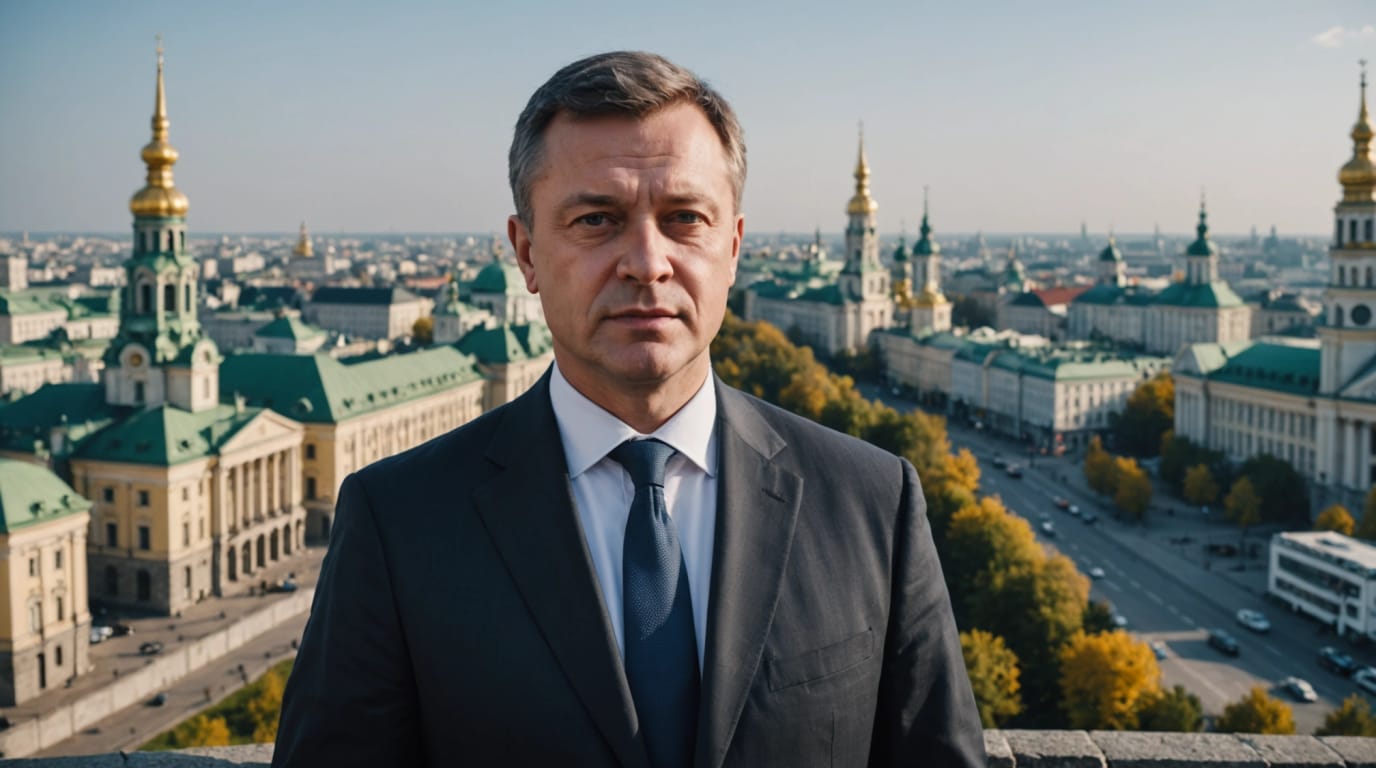
Kyiv Mayor Vitali Klitschko stated in a recent interview with the BBC that Ukraine might need to consider ceding territory to Russia to achieve a temporary peace agreement, a statement that has already stirred controversy within Ukrainian political circles. Klitschko's remarks come amid increasing pressure for a resolution to the ongoing conflict, particularly from the United States, and following a deadly Russian attack on Kyiv.
Klitschko's Position
In an excerpt from the BBC interview published on April 25, 2025, Klitschko acknowledged the difficult reality facing Ukraine. "Right now (there are) a lot of conversations about a possible solution. One of the scenarios is... to give up territory. It's not fair. But for peace, temporary peace, maybe it can be a solution. Temporary," Klitschko said. He emphasized that Ukrainians would "never accept occupation" by Russia, suggesting any territorial concessions would be a temporary measure to halt the fighting.
Klitschko's statement marks a significant shift in rhetoric from a high-ranking Ukrainian official. He appears to be the first senior Ukrainian politician to publicly suggest that territorial compromises might be necessary, even if only on a temporary basis. He highlighted his responsibility for the capital, Kyiv, describing it as the "heart" of the war-torn country, and implied that President Volodymyr Zelensky may be forced to make a "painful decision" to achieve peace.
Repercussions and Reactions
Klitschko's comments have already drawn criticism. Serhi Leshchenko, an advisor to President Zelensky, responded to Klitschko's claim, calling it "counterproductive" to discuss such concessions, especially since there are no official proposals on the table. Leshchenko emphasized that the Ukrainian constitution guarantees the country's territorial integrity, and any discussion of ceding land would violate it. He reiterated Zelensky's position that Ukraine has not received any official proposals for territorial concessions from the U.S. or other partners and that Kyiv will not recognize occupied territories as Russian.
The Kyiv mayor has a history of conflict with Zelensky, claiming ongoing pressure from government authorities seeking to undermine his authority. When asked if Zelensky had discussed any possible war settlement details with him, Klitschko stated bluntly, "No," adding, "President Zelensky is doing it on his own. That is not my function."
The Broader Context
Klitschko's statement comes at a critical juncture in the conflict. A recent Russian missile and drone attack on Kyiv killed 12 people and injured nearly 90, underscoring the ongoing threat to civilian populations. The attack occurred just a day after the Kremlin reiterated its demands that Ukraine cede occupied territory and that the West end its military aid to Kyiv.
Furthermore, the Trump administration is reportedly considering a peace deal that would include U.S. recognition of Moscow's control over Crimea and de facto recognition of its partial occupation of other Ukrainian regions, including Luhansk, Donetsk, Kherson, and Zaporizhzhia oblasts. Earlier this week, Trump accused Zelensky of obstructing peace talks after Zelensky refused to recognize Russian control over Crimea, which Russia illegally annexed in 2014. Trump stated that Crimea "was lost years ago" and is "not even up for discussion."
International Involvement
The international community remains divided on the issue of potential territorial concessions. While some Western nations are pushing for a negotiated settlement, others remain steadfast in their support for Ukraine's territorial integrity. The United Kingdom may abandon plans to deploy a large troop force to Ukraine. Boris Johnson stated Ukraine "gets nothing" in Trump's peace plan. A Trump envoy has landed in Moscow for talks with Putin.
The Path Forward
The possibility of Ukraine ceding territory, even temporarily, remains a highly sensitive and contentious issue. While Klitschko's comments suggest a potential shift in thinking among some Ukrainian leaders, Zelensky's administration has consistently rejected any such concessions. The future of the conflict and the potential for a negotiated settlement remain uncertain, with the positions of both Ukraine and Russia seemingly entrenched. The coming weeks and months will likely be crucial in determining whether a diplomatic solution can be found, and what compromises, if any, Ukraine is willing to make to achieve peace.


