Labour Faces Existential Crisis After Historic By-Election Defeat in Gorton and Denton
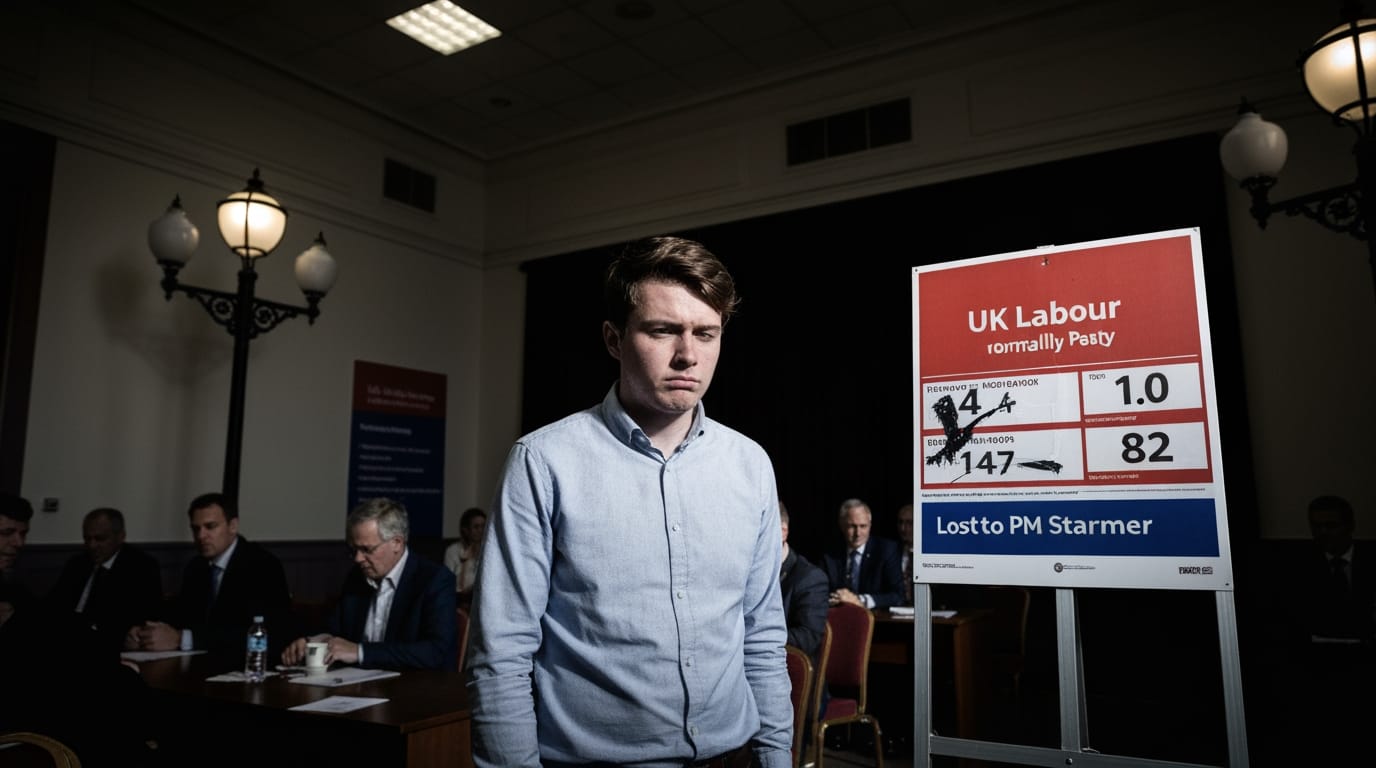
MANCHESTER, UK – Britain's ruling Labour Party has been plunged into a profound period of introspection following an unprecedented by-election defeat in the traditionally staunch Labour stronghold of Gorton and Denton, Manchester. The shock result, which saw the Green Party clinch victory and Labour relegated to a humiliating third place behind Reform UK, marks a significant blow to Prime Minister Keir Starmer and his leadership, intensifying questions about the party's direction and electoral strategy just months into their term in government.
A Seismic Shift in a Labour Heartland
The by-election for the Gorton and Denton parliamentary seat, held on February 27, 2026, was triggered by the resignation of former Labour MP Andrew Gwynne on health grounds. What was anticipated to be a routine defense for Labour, a party that had comfortably secured the constituency in the July 2024 general election with nearly 51% of the vote, spiralled into a calamitous outcome.
Green Party candidate Hannah Spencer, a 34-year-old plumber and local councillor, emerged victorious, securing 14,908 votes, representing a significant 40.7% of the total. This performance delivered a majority of 4,402 votes for Spencer, making her the Green Party's fifth Member of Parliament and their first ever by-election win in the North of England. The scale of the Green victory was particularly striking given that the seat was ranked 127th on their target list.
Labour's candidate, Angeliki Stogia, garnered only 9,364 votes, a mere 25.4% of the vote share, marking a precipitous fall from the 18,555 votes the party received in 2024. This abysmal showing positioned Labour behind Reform UK, whose candidate Matt Goodwin secured second place with 10,578 votes (28.7%). The Conservative candidate, Charlotte Cadden, received a paltry 706 votes (1.9%), losing her deposit, while the Liberal Democrats managed 653 votes. Turnout for the by-election stood at 47.6%.
For a constituency Labour had dominated for decades, with some commentators pointing to nearly a century of control, the third-place finish represents an "embarrassing" and "catastrophic" setback. Professor Robert Ford, an elections expert, described the result as a "nightmare scenario" for the government.
Unpacking Labour's Electoral Vulnerabilities
The stunning defeat in Gorton and Denton is attributed to a confluence of factors, both local and national, laying bare significant vulnerabilities within the Labour Party's current political project. A key point of contention has been Prime Minister Starmer's direct intervention in blocking popular Greater Manchester Mayor Andy Burnham from standing as the Labour candidate in the by-election. Critics argue that Burnham's strong local appeal might have stemmed the tide of discontent, and the decision to prevent his candidacy is now a significant source of internal party criticism.
Beyond candidate selection, broader disaffection with Starmer's government appears to have played a decisive role. Observers note Starmer's waning popularity, coupled with sluggish economic growth, a series of perceived policy U-turns, and recent scandals, contributed to a deep fall in the party's support. Labour's immigration policies, aimed at attracting Reform UK voters, are also cited as alienating elements of the party's traditional left-wing base. The message from voters, according to the Green Party's campaign, was a rejection of being "let down and looked down on."
The election also highlighted a strategic miscalculation by Labour, which reportedly focused its campaign efforts on countering Reform UK, arguing that only Labour could prevent a Reform victory. However, this strategy backfired as Green Party support surged, demonstrating that progressive voters felt they had an alternative to Labour, even against Reform. Reform UK's candidate, Matt Goodwin, controversially suggested that the Green victory was due to a "coalition of Islamists and woke progressives" in the constituency.
Starmer's Leadership Under the Microscope
The Gorton and Denton result has undeniably intensified the scrutiny on Prime Minister Starmer's leadership. The defeat, just 18 months after Labour came to power, has prompted renewed calls for a significant change in direction from within the party and from affiliated trade unions. Former Labour Deputy Leader Angela Rayner reportedly called the result a "wake-up call," urging the party to "be braver" and rededicate itself to "a Labour agenda that puts people first." Some Labour MPs and union leaders have even openly questioned Starmer's future, with one MP stating that the Prime Minister must "look in the mirror and make a decision about his own personal future."
Polls consistently suggest Starmer is among the most unpopular British prime ministers since records began, and this by-election loss will do little to assuage fears within his party regarding his electoral appeal. The pressure is particularly acute with crucial local and devolved elections approaching in May, which could further test Labour's resilience.
A Fractured Political Landscape
The by-election in Gorton and Denton serves as a stark illustration of the fracturing traditional two-party system in British politics. The significant gains made by both the Green Party and Reform UK at the expense of the major parties signal a growing willingness among the electorate to look towards insurgent political forces.
While Labour grapples with its third-place finish, the Conservative Party's dismal performance, securing less than 2% of the vote, underscores its own struggles in areas where Reform UK is gaining traction. This multi-polar dynamic presents a complex challenge for both established parties, as they contend with a electorate increasingly willing to embrace alternatives across the political spectrum. Veteran pollster John Curtice noted that the result shows the "Conservative-Labour duopoly that has long dominated post-war British politics has never looked weaker."
Looking Ahead: An Uncertain Path
The loss of Gorton and Denton represents more than just a single parliamentary seat; it signifies a potent shift in voter sentiment and a serious challenge to Labour's perceived electoral dominance. The result forces a painful re-evaluation of strategy and leadership within the party. With a general election looming, the coming months will be critical for Prime Minister Starmer and the Labour Party to demonstrate their capacity for adaptation and reconnection with a rapidly evolving and increasingly demanding electorate. The message from Manchester is clear: voters are hungry for change, and they are prepared to look beyond traditional allegiances to find it.


