Lahore's Skies Reclaim Their Colors: Basant Festival Soars Anew After Decades-Long Ban
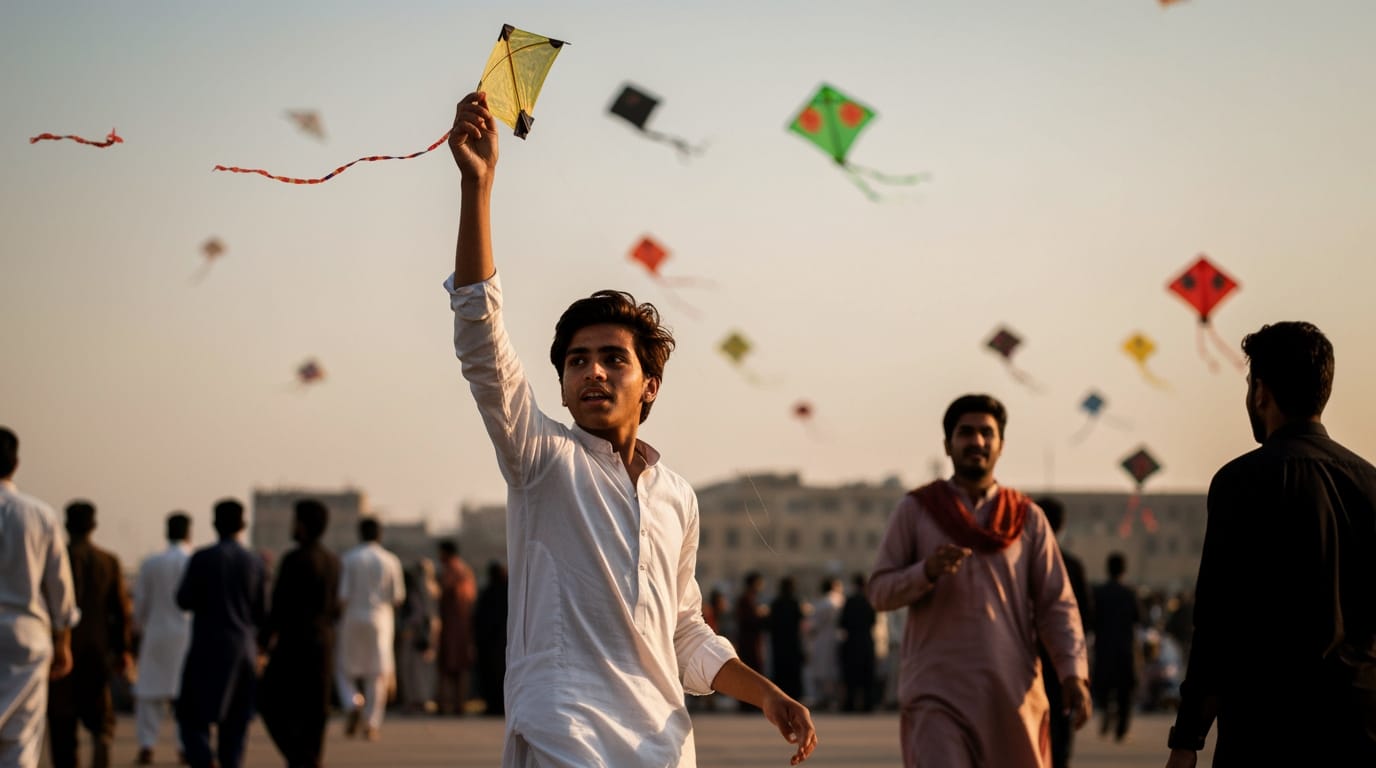
LAHORE, Pakistan – After nearly two decades of silence, the vibrant skies of Lahore are once again set to burst into a kaleidoscope of colors as the Basant kite-flying festival makes its highly anticipated return. The Punjab government's decision to revive the cherished cultural event, scheduled for February 6-8, 2026, has ignited a wave of excitement and nostalgia across the city, though it comes with stringent safety measures designed to prevent a recurrence of past tragedies. For a generation that knew Basant only through stories and faded photographs, this marks a profound reclaiming of a tradition deeply woven into the fabric of Lahori identity.
The Sky Awakens: A Cultural Rebirth for Lahore
Basant, a spring-time Punjabi festival, traditionally marks the arrival of spring, rooted in both Hindu agrarian and Sufi traditions across the subcontinent. It is more than just a festival; it is a profound cultural statement, symbolizing renewal, joy, and the welcoming of warmer days. For Lahoris, it has long been an occasion defined by dazzling kite battles, joyous music, festive gatherings, and elaborate culinary preparations, transforming rooftops into lively arenas of celebration. The absence of Basant had left a palpable void, depriving an entire generation of the communal joy and spirited competition that characterized the event. Its return is viewed not merely as entertainment, but as the restoration of a cultural identity that, as Chief Minister Maryam Nawaz highlighted, is "inseparable from the cultural taste and temperament of Lahore."
The streets and historic squares of Punjab, particularly Lahore, are once again buzzing with activity. Markets, notably the historic Mochi Gate, one of Old Lahore's Mughal-era entrances, are bustling with thousands pouring in to purchase kites and related paraphernalia. Hotels and rooftops within the Walled City (Androon Lahore) are reportedly booked, some at exorbitant prices ranging from 2.1 million to 5.5 million rupees for the three-day festivities, as families and friends prepare to gather and witness the spectacle. Families are turning the occasion into reunions, inviting relatives and friends who had been apart for years, while older residents are seizing the opportunity to teach children, many of whom are experiencing Basant for the first time, the art of kite control. This surge in demand has also brought a significant economic boost, with kite sellers reporting sales nearing one billion rupees ($3.5 million) for kites and string alone. Traditional kite makers and small food vendors, whose livelihoods were severely impacted during the ban, are now experiencing renewed hope and a surge in income.
The Shadow of Safety: Why Basant Was Banned
The colorful spectacle of Basant came to an abrupt halt in 2007, when the Lahore High Court imposed a complete ban following a series of tragic incidents. The primary cause of concern was the widespread use of hazardous kite strings, often referred to as "manjha," which were coated with nylon, metal powder, or other chemically treated, abrasive materials. These lethal strings transformed the festive activity into a serious public safety crisis. Reports detailed numerous fatal injuries, particularly to motorcyclists, whose throats and limbs were tragically cut by the nearly invisible, razor-sharp lines. Beyond the human cost, the dangerous strings also caused widespread power outages and other civic disruptions, turning a celebration of spring into a source of fear and tragedy. For nearly two decades, the joy of Basant was overshadowed by these grim realities, leading to its eventual prohibition.
Navigating the Revival: Strict Regulations and Vigilance
The return of Basant is not without careful consideration and extensive new regulations, signaling a strong commitment from the Punjab government to prioritize public safety. The ban was officially lifted in December 2025, with celebrations now scheduled under tight restrictions. Lahore has been meticulously divided into three zones—ranging from high-risk to relatively safe areas—to more effectively regulate kite flying. Crucially, the sale and use of hazardous kite strings, such as those made from metallic thread, chemically treated materials, or oversized kites, remain strictly prohibited. Only cotton string is permissible for use.
To ensure compliance, enforcement agencies have been tasked with rigorous monitoring and swift action against violations. Manufacturers of kite-flying materials are now required to register through deputy commissioners and the provincial e-Biz digital portal, ensuring that only permissible materials are produced and sold. Furthermore, motorcyclists, historically the most vulnerable to injuries, have been instructed to install protective metal rods at the front of their bikes. Additional safety protocols include barring dilapidated rooftops, prohibiting loud music and fireworks, and restricting kite flying near sensitive areas like airports. The government has even announced three public holidays during the festival period to encourage controlled and responsible participation. Some neighborhoods have taken proactive steps by organizing volunteers to monitor rooftop safety, highlighting a collective community effort to ensure the festival's safe conduct.
Economic Currents and Public Sentiment
The long-awaited return of Basant has already injected significant vitality into Lahore's economy. The multi-million dollar potential of the festival, which was largely lost during the ban, is now being realized, with markets overflowing with buyers and vendors. The surge in demand for kites, strings, and related accessories has created a boom for local businesses. Beyond the direct sales of kite paraphernalia, the ripple effects are evident in the food and hospitality sectors. Households are preparing elaborate menus featuring traditional barbecue, malai boti, and sweets like ladoos and gajrela, treating the three-day celebration almost like a wedding feast.
Public sentiment regarding the revival is a complex mix of overwhelming joy and cautious optimism. The palpable excitement is evident in the booked rooftops and bustling markets, as Lahoris eagerly reclaim a cherished part of their heritage. For many, the return is about reclaiming cultural memory, reviving lost traditions, and bringing color and community spirit back into daily life. However, the memories of past tragedies linger, leading to a degree of apprehension. The strict regulations and visible enforcement efforts aim to assuage these concerns, but the success of the revival will ultimately hinge on the collective adherence to safety guidelines and the authorities' ability to manage the festivities responsibly.
A Precarious Balance: Celebrating Culture with Caution
The return of Basant to Lahore's skies represents a powerful cultural resurgence, allowing a new generation to experience the vibrant traditions that define their city. It underscores the enduring human need for celebration and connection, particularly after a prolonged absence. The decision to lift the ban, spearheaded by Chief Minister Maryam Nawaz, reflects a delicate balance between preserving a cherished cultural heritage and ensuring the paramount safety of its citizens. While the enthusiasm is undeniable and the economic benefits are immediate, the success of this revived festival will ultimately depend on the effectiveness of the new safety protocols and the collective responsibility of all participants. As kites once again dance across the azure, Lahore embarks on a hopeful journey to redefine Basant, ensuring it remains a symbol of joy and spring, rather than a harbinger of tragedy.


