UN Warns: 4.5 Million Girls Face Genital Mutilation Risk in 2026, Urgent Action Demanded
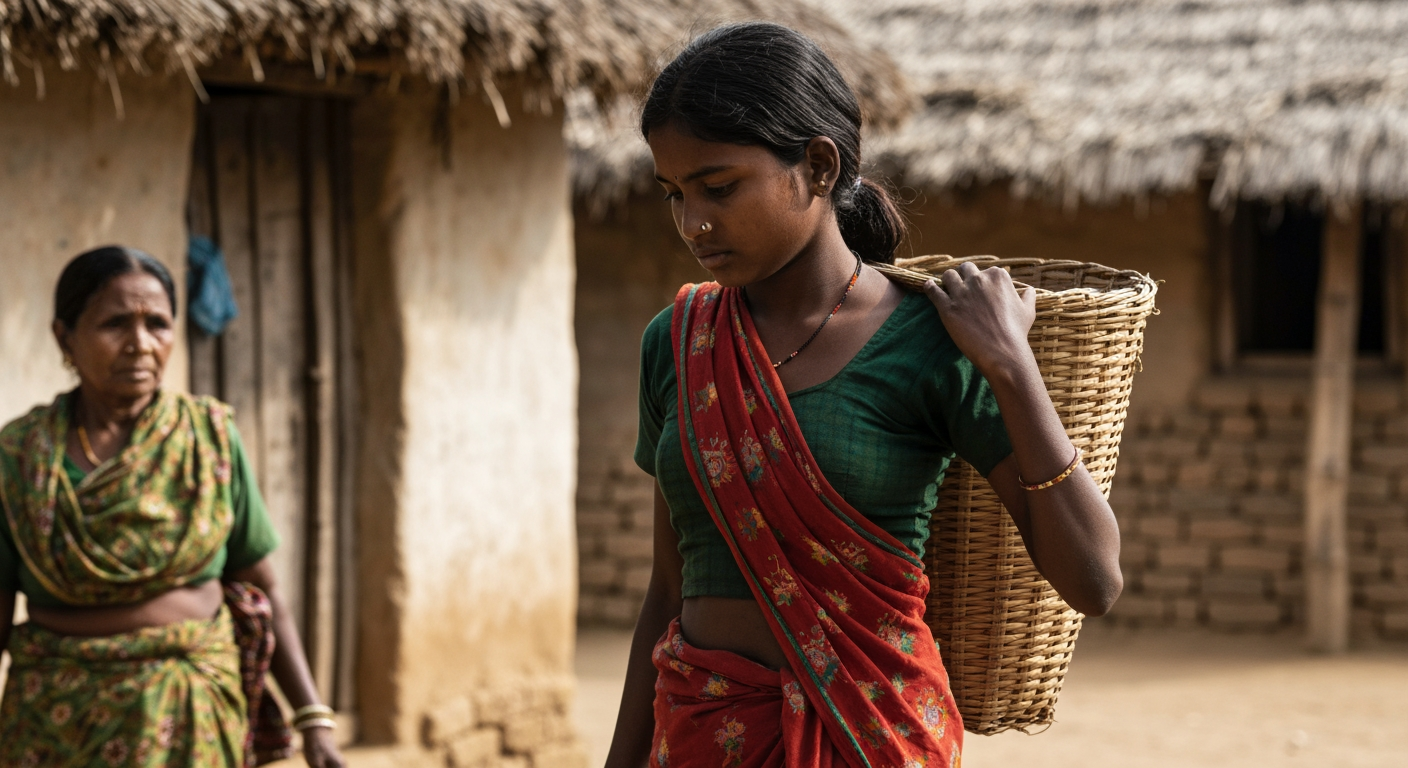
New York – The United Nations has issued a stark warning, revealing that an estimated 4.5 million girls are at risk of undergoing female genital mutilation (FGM) in 2026 alone. This alarming projection underscores a persistent global crisis, with millions more already living with the profound and often lifelong physical and psychological scars of the practice. On the International Day of Zero Tolerance for Female Genital Mutilation, observed February 6, 2026, UN leaders called for renewed commitment and investment to accelerate efforts towards eradicating this human rights violation.
A Looming Crisis: Millions at Risk
The sobering figure of 4.5 million girls facing FGM in the coming year highlights the urgent need for global intervention. These young girls, many under the age of five, are vulnerable to a practice recognized internationally as a grave violation of human rights. Beyond those at immediate risk, more than 230 million women and girls globally are currently living with the devastating consequences of FGM. This deeply entrenched practice is not confined to a single region; it is reported in 94 countries across various continents, including Africa, Asia, and the Middle East, and even pockets of Europe and North America due to migration patterns. The sheer scale of the issue demands immediate and coordinated action to safeguard the health, well-being, and fundamental rights of millions.
The Enduring Harm of FGM
Female Genital Mutilation encompasses all procedures involving the partial or total removal of the external female genitalia, or other injury to the female genital organs for non-medical reasons. It is a practice devoid of any medical justification and poses severe, immediate, and long-term health risks. Girls subjected to FGM often endure excruciating pain, heavy bleeding, and a high risk of infection, including HIV, particularly when unsterilized instruments are used. The complications can extend throughout a woman's life, leading to chronic pain, infertility, menstrual problems, and severe complications during childbirth that endanger both mother and child. Beyond the physical trauma, FGM inflicts deep, lasting psychological damage, including anxiety, depression, and post-traumatic stress. The United Nations emphasizes that FGM cannot be justified on any grounds, whether cultural, religious, or traditional, as it fundamentally violates the human rights of girls and women.
Obstacles to Eradication: A Complex Battle
Despite decades of advocacy and intervention, several complex factors continue to impede efforts to eradicate FGM. Population growth in countries where the practice is prevalent is a significant concern; by 2050, nearly one in three births globally will occur in the 29 countries in Africa and the Middle East where FGM is concentrated. In some nations like Somalia and Mali, where prevalence rates are extremely high, the female population is projected to more than double or nearly triple, potentially increasing the number of affected girls.
Furthermore, the UN highlights a troubling trend of declining international support and funding cuts in health, education, and child protection, which are crucial for prevention efforts. These resource constraints risk reversing hard-won gains. A "systematic pushback" and arguments for "medicalizing" FGM also present significant challenges, attempting to legitimize the practice under the guise of medical supervision, despite the UNFPA asserting it is never safe or medically necessary. The persistence of FGM is also fueled by the false notion that efforts to abandon it are driven by foreign influence, creating resistance within communities. Moreover, broader global trends, such as humanitarian crises, economic hardships, conflicts, and a growing pushback against gender equality and child rights, further exacerbate the vulnerability of girls to FGM.
Momentum for Change: Progress and Prevention
Despite these formidable challenges, progress has been made, demonstrating that eradication is achievable with sustained commitment. Over the last three decades, the number of girls subjected to FGM has dropped significantly, from one in two to one in three, with half of this progress occurring in the last decade alone. This acceleration is largely attributed to effective community-led movements that are successfully shifting social norms. Globally, nearly two-thirds of populations in countries where FGM is prevalent now support its elimination.
The economic argument for prevention is also compelling. Managing the lifelong physical and mental health complications of FGM costs health systems approximately $1.4 billion annually. In stark contrast, a targeted investment of $2.8 billion is estimated to prevent 20 million cases, yielding a tenfold return of $28 billion. This underscores that prevention is not only a moral imperative but also an economic one.
UN agencies, including UNICEF and UNFPA, are at the forefront of these efforts through the UNFPA-UNICEF Joint Programme on the Elimination of Female Genital Mutilation. Their strategies focus on promoting girls' agency, building youth-led movements, engaging women-led organizations, and diversifying funding. Interventions include health education, engaging religious and community leaders, mobilizing parents and health workers, and leveraging media to raise awareness. Countries like Ethiopia and Kenya, for instance, have shown significant progress, with FGM rates falling by 30% over the past 30 years. Comprehensive services for survivors, including healthcare, psychosocial support, and legal assistance, remain essential.
A Call to Action for 2030
As the world approaches the 2030 deadline for the Sustainable Development Goals, including the target to eliminate FGM, the critical juncture demands intensified efforts. The theme for this year's International Day of Zero Tolerance for FGM, "Towards 2030: No End to FGM Without Sustained Commitment and Investment," serves as a powerful reminder. Achieving elimination requires galvanized political momentum, robust community action, and adequate financial resources. The UN calls upon governments, international organizations, civil society, and communities to pool resources and strengthen collective action. By reinforcing partnerships, scaling effective solutions, and amplifying the voices of girls and survivors, the international community can safeguard progress and accelerate action to ensure that no more girls are subjected to this harmful practice. The goal of eradicating FGM by 2030 is ambitious but remains within reach with renewed global dedication.
Related Articles


Ratko Mladić, "Butcher of Bosnia" and Convicted War Criminal, Dies at 84
THE HAGUE, Netherlands – Ratko Mladić, the former Bosnian Serb military commander known as the "Butcher of Bosnia" and convicted of genocide, war crimes, and crimes against humanity, has died at the age of 84. Serbian...


Long-Awaited 9/11 Mastermind Trial Set for 2028, Decades After Attacks
GUANTANAMO BAY, Cuba – Nearly a quarter-century after the devastating terror attacks of September 11, 2001, a military judge has finally set a trial date for Khalid Sheikh Mohammed, the alleged mastermind behind the...