Landfill Collapse in Conakry Claims Dozens of Lives Amidst Heavy Rains
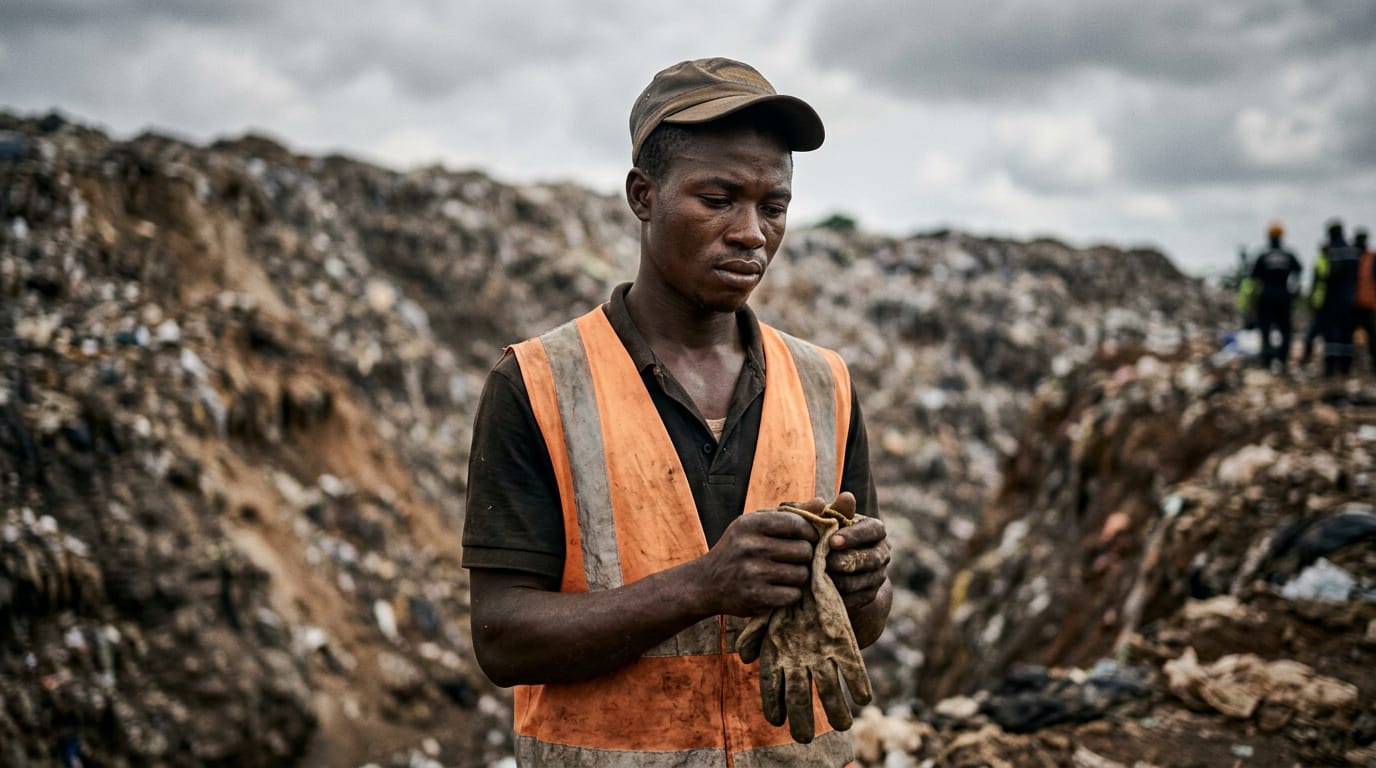
CONAKRY, Guinea – A catastrophic landslide at the Dar-es-Salam landfill in Guinea’s capital, Conakry, on Sunday, August 23, 2026, has resulted in the deaths of at least 22 people, with government officials reporting figures as high as 30 fatalities and six seriously injured. The early morning collapse, triggered by intense overnight rains, sent a torrent of refuse cascading onto adjacent homes, burying sleeping residents and once again highlighting the perilous conditions faced by communities living in the shadow of the city’s burgeoning waste mountain. Rescue efforts are ongoing, as emergency services and volunteers sift through the debris in a desperate search for survivors.
Disaster Strikes at Dawn
The tragedy unfolded around 2:00 a.m. local time in the Bbessia district’s Dar-es-Salam neighborhood, a densely populated area situated perilously close to the landfill. Heavy rains, which began hours earlier, saturated the massive accumulation of waste, causing a significant portion of the mountainous refuse to give way. Shacks and makeshift homes at the base of the dump were instantly engulfed, leaving little chance for those inside to escape. Initial reports from the civil protection service indicated at least 22 confirmed deaths, while other government sources placed the toll at 30, with six individuals sustaining serious injuries. Witnesses described a scene of chaos and devastation, as neighbors and emergency crews, including residents and rescuers using an excavator, rushed to pull bodies from the mud and debris. The sheer volume of displaced waste and the instability of the site have complicated rescue operations, with fears that the final death toll could still rise.
A History of Hazard: The Dar-es-Salam Landfill
The Dar-es-Salam landfill, also known as La Minière, is Conakry's largest and most notorious dump, having operated since 1987, or even as far back as 1980, despite being originally intended for a mere 20 years of use. For decades, it has served as the primary repository for Conakry's burgeoning waste, receiving an estimated 1,600 tonnes of garbage daily, although one report suggests ten tonnes per day. The site has long been a source of concern for authorities and residents alike, particularly during the rainy season. Past incidents have seen sections of the refuse mountain collapse onto homes, causing casualties. The government had previously issued orders for people to move away and for safety measures to be implemented due to the inherent danger of collapses. In a cruel twist of fate, the landfill was reportedly designated for closure on the very day the disaster occurred, according to sanitation officers.
Living on the Edge: The Human Cost of Neglect
The communities surrounding the Dar-es-Salam landfill exemplify the dire consequences of inadequate urban planning and waste management. Generations have grown up in the vicinity of the dump, often with little alternative housing or economic opportunity. This proximity to decaying waste has created a severe public health crisis. Residents are constantly exposed to thick, toxic smoke from continuous fires within the dump, leading to widespread respiratory illnesses. Health experts warn of long-term consequences, including pneumonia, chronic obstructive pulmonary disease, and even the potential for bronchopulmonary cancer among the local population.
Beyond the health risks, the landfill is a paradoxical lifeline for many impoverished Guineans. Hundreds, including women, children, and teenagers, work as informal waste pickers, or "ragpickers," sorting through garbage to recover materials for resale. Despite the immense health dangers—working without protective gear and often falling ill—this labor provides a meager income essential for survival. The incident tragically underscores the vulnerability of these communities, whose lives are literally intertwined with the unstable waste infrastructure.
A Call for Urgent and Sustainable Solutions
In the wake of this latest catastrophe, Guinean ministers overseeing urban planning, housing, and territorial administration have visited the site to assess the damage and oversee rescue operations. However, the recurring nature of such disasters necessitates more than just immediate response; it demands systemic reform. Environmentalists and waste specialists have long advocated for a complete overhaul of Guinea's waste management system. Experts emphasize the need for sustainable solutions, including the establishment of modern waste treatment centers, improved recycling infrastructure, and the safe relocation of the Dar-es-Salam landfill. Currently, Guinea's recycling rate stands at less than 5%, highlighting the immense potential for improvement.
The incident also serves as a stark reminder of broader environmental challenges facing West Africa. Shifting rainfall patterns, coupled with rampant deforestation and rapidly expanding urban populations, are increasing the risk of deadly landslides and similar environmental disasters across the region. As the dust settles and the difficult task of recovery continues in Conakry, the international community and the Guinean government face an urgent mandate to implement comprehensive solutions that prioritize human safety and environmental sustainability, ensuring that no more lives are lost to preventable tragedies at the foot of a mountain of trash.