Lebanese Civilians Bear Brunt of Escalating Israel-Hezbollah Conflict
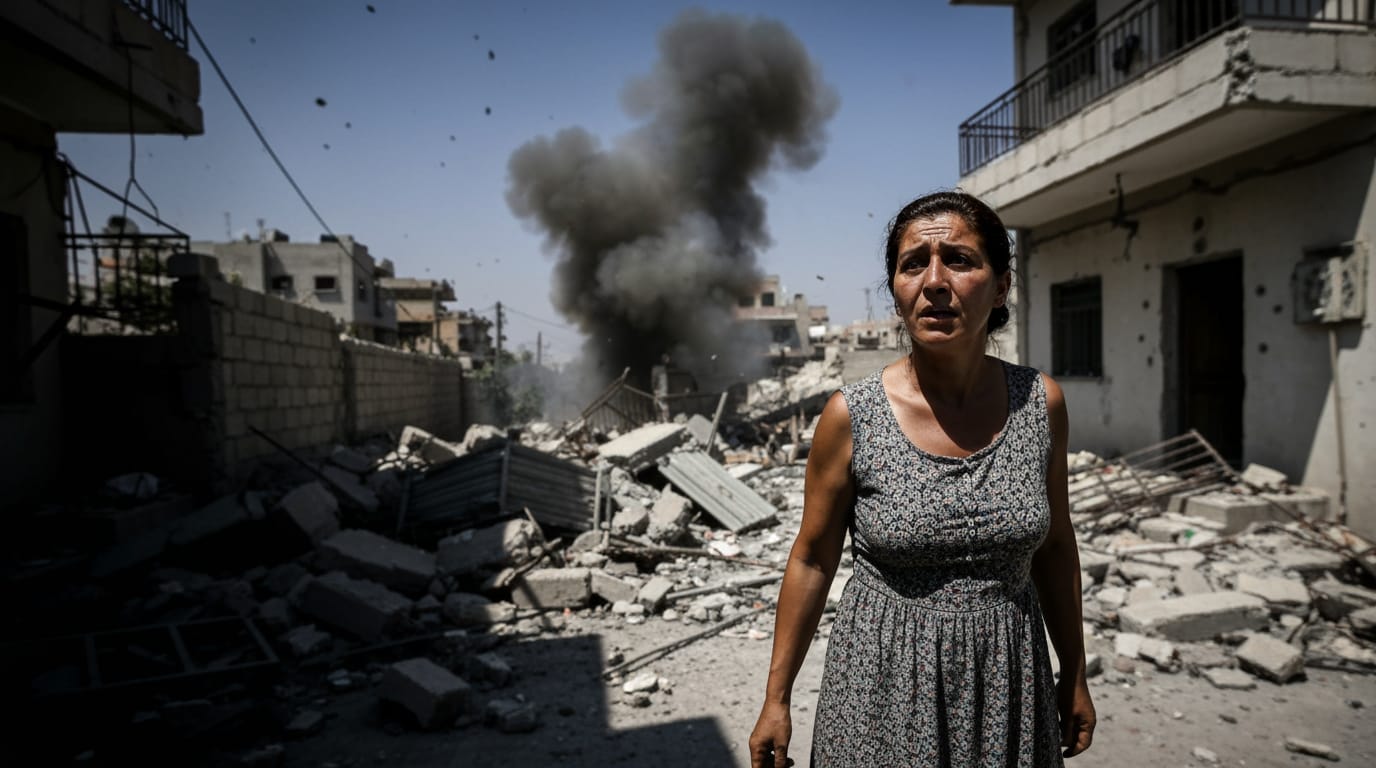
BEIRUT, Lebanon – As military operations between Israel and Hezbollah intensify across the southern Lebanese border and beyond, civilians in Lebanon are facing an escalating humanitarian crisis, marked by widespread displacement, significant casualties, and the profound destruction of their economy and infrastructure. While Israel asserts its actions target Hezbollah's military capabilities, the Lebanese population finds itself caught in the crossfire, enduring a disproportionate share of the conflict's devastating consequences.
The current escalation, which intensified significantly from early March 2026, has seen Lebanese towns and villages subjected to extensive bombardment, leading to a profound human toll and deepening a crisis in a nation already grappling with severe economic instability. United Nations agencies and humanitarian organizations are sounding alarms over violations of international law and the dire conditions faced by millions.
A Devastating Human Toll and Mass Displacement
The human cost of the ongoing conflict in Lebanon is staggering. More than 3,800 people have been killed, with a substantial number of these being civilians. Over 1.2 million Lebanese individuals, representing more than 20% of the country's population, have been displaced from their homes, particularly from southern Lebanon, the Bekaa Valley, and parts of Beirut's southern suburbs. The displacement includes over 300,000 children, with many families forced to flee with little to no warning, often multiple times.
UN Human Rights reports have documented numerous incidents raising serious concerns about adherence to international humanitarian law. Operations by Israeli forces in Lebanon have involved cases of direct attacks on civilians, including medical personnel, and residential buildings, sometimes leveling multi-story structures and killing entire families. In many instances, warnings for evacuation were reportedly absent or ineffective, preventing safe civilian withdrawal. The Lebanese Ministry of Public Health reported that over 2,700 people have been killed and more than 8,400 injured as of early May 2026. The World Health Organization (WHO) has also highlighted that 110 healthcare workers have been killed in the line of duty in Lebanon since October 2023, with reports of attacks on healthcare facilities and personnel persisting.
Lebanon's Economy and Infrastructure Shattered
The conflict has inflicted a severe blow on Lebanon's already fragile economy and vital infrastructure. The World Bank estimates the cost of physical damages and economic losses in Lebanon at approximately $8.5 billion as of late 2024, with total direct and indirect losses potentially reaching $20 billion by the end of 2026 if the conflict persists. This compounds a pre-existing economic crisis that saw Lebanon's GDP contract by over a third between 2018 and 2023. The current conflict is projected to further contract Lebanon's real GDP growth by at least 6.6% in 2024 and between 7% and 10% in 2026.
Housing has been the hardest-hit sector, with almost 100,000 housing units partially or fully damaged, amounting to $3.2 billion in losses. Entire villages, particularly in southern Lebanon near the Blue Line, have been reduced to rubble. Beyond residential areas, critical civilian infrastructure, including bridges, water infrastructure, and medical facilities, has been damaged or destroyed, hindering humanitarian access and basic services. Sectors like commerce, tourism, hospitality, and agriculture have also suffered immense losses, impacting livelihoods and exacerbating poverty. An estimated 166,000 individuals have lost their jobs, corresponding to a loss of $168 million in earnings. The Lebanese government, which had initially hoped for a budget surplus, has been forced to allocate $50 million in emergency spending to support the displaced.
Blurring Lines: Hezbollah's Presence and Civilian Vulnerability
A central and complex aspect of the conflict's impact on civilians is Hezbollah's reported strategy of embedding military infrastructure within civilian areas. Israeli military officials and reports indicate that Hezbollah has extensively utilized civilian structures, including homes, apartment buildings, schools, and public facilities, to store weapons and conduct military operations. This practice, often referred to as using "human shields," complicates military responses and inherently increases the risk to non-combatants.
The Israeli military states its operations aim to destroy this "terror infrastructure" and prevent Hezbollah from rebuilding its capabilities. However, the consistent occurrence of secondary explosions following strikes on alleged Hezbollah targets in populated areas underscores the proximity of these military assets to civilian life. This situation creates a challenging environment for civilians, who are placed at heightened risk due to the presence of military targets within their communities. Hezbollah, for its part, has launched rockets into residential areas in Israel, causing damage and civilian casualties, which the UN also notes may constitute serious violations of international humanitarian law.
A Deepening Humanitarian Crisis and Societal Strain
The mass displacement has overwhelmed Lebanon's already strained public services and humanitarian infrastructure. Hundreds of schools and public buildings have been converted into emergency shelters, but these are often beyond capacity, leaving many displaced to rely on informal arrangements, host communities, or their own limited resources. Access to clean water, sanitation, healthcare, and education has become severely limited for hundreds of thousands of people.
The disruption to education is particularly alarming, with thousands of children lacking access to schooling. The ongoing crisis has also fueled rising communal tensions and discriminatory practices against displaced people in the Lebanese rental market, alongside an increase in hateful rhetoric. Among the displaced are Syrian and Palestinian refugees who had already sought refuge in Lebanon, now forced to flee again, often facing additional barriers to assistance. International support for Lebanon's humanitarian response remains significantly underfunded, falling short of the immense needs.
Urgent Calls for De-escalation and Lasting Peace
The continuous cycle of violence and destruction underscores the urgent need for a sustainable resolution to the conflict. International bodies, including the United Nations, have repeatedly condemned the escalating hostilities and called for an immediate cessation of violence and adherence to international humanitarian law by all parties. Concerns about proportionality and the protection of civilians are at the forefront of international discussions.
Despite various ceasefire agreements and diplomatic efforts, hostilities have frequently continued, signaling a fragile and often ineffective peace. The long-term consequences for Lebanon extend beyond immediate casualties and economic damage; they threaten to entrench instability, deepen sectarian divisions, and hinder any prospects for recovery and development. The international community faces the critical challenge of mediating a robust diplomatic framework that includes local and regional stakeholders to de-escalate the conflict, ensure humanitarian access, and support Lebanon in rebuilding and achieving lasting stability.


